Research institute offers help
26 Aug 2015
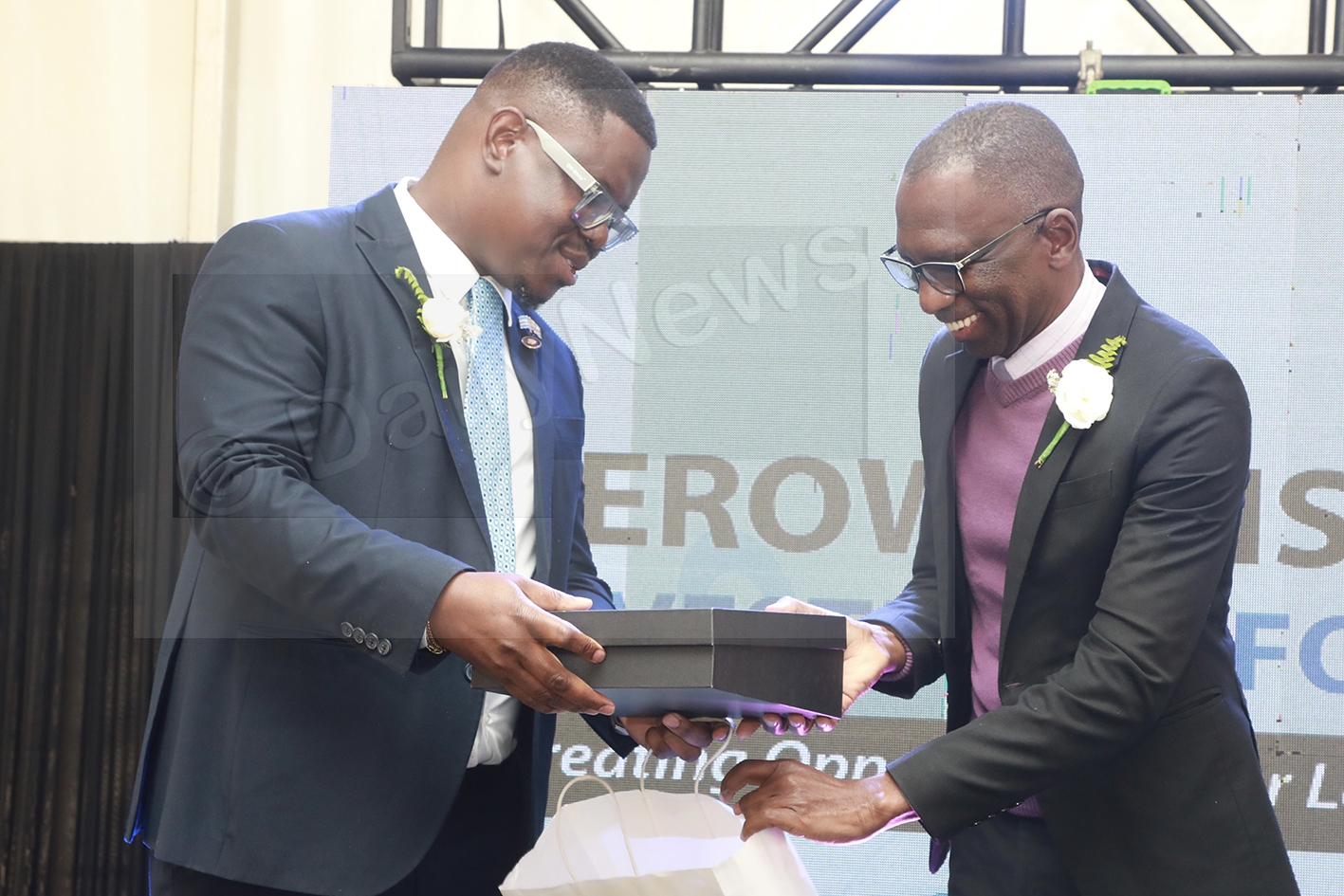
The director of Okavango Research Institute (ORI) Prof. Wellington Masamba says the institution will be visible in all activities taking place in the Okavango Delta to ensure proper management.
He made the announcement during a panel discussion where experts outlined the opportunities and challenges of the Okavango Delta World Heritage Site.
He said part of ORI mandate is to provide research services to various institutions adding that when the listing of the site was announced they found it fit to do something hence the panel discussion session.
ORI is a research institution under University Botswana based in Maun. Its vision is to be a leading wetlands research institute in Africa and the world by 2016 while its mission is to undertake engaged research and training on wetlands.
Giving the background of the listing, the director of National Museum and Monuments, Mr Gaogakwe Phorano explained that it took them four years to list the site because of inadequate funding and the technical know how component.
He stated that a tentative list was to be submitted to UNESCO adding that currently, Botswana has six sites in the list. He explained the whole processes of the listing emphasising that community consultation was crucial for the success of the exercise.
Regarding the listing of the delta, about 36 villages were consulted and only three settlements were against the listing because of the nature of their existence as they are considered squatters by land board.
Mr Phorano also observed that sensitive issues such as mining in the delta were considered. He said to be listed, a letter of support from neighbouring countries was very important. For their part, the panelists called for proper monitoring and management of the delta as it now belongs to the world.
They said the government should ensure prudent management of the site and also enhance the partnership with the riparian countries.
One of the panelists, Mr Sekgowa Motsumi from OKACOM said the delta provides a lot of opportunities and the main driver is water as 95 per cent of it comes from Angola.
He said the government should demonstrate accountability, responsibility and commitment and show leadership since the delta is a shared resource with other countries hence all has to realise their efforts and benefits.
He said the impact might come from the upstream and urged the government to deal with the threats to avoid pressure. Mr Motsumi said the delta is not closed therefore threats are significant and indicated that settlement planning is crucial.
Dr Fynn from ORI also emphasised the need for Botswana to engage other neighbouring countries such as Angola and Namibia, adding that it was critical to provide wet grassland area for wildlife. He said if Angola could implement land change that alone could affect Botswana because of dry grass land system.
Mr Edwin Mosimanyana, a hydrologist scholar from ORI said the delta would continue to exist the way it was and called for monitoring to enhance the needed resources. He said the quality and quantity had to be considered and called for monitoring of various points and availability of data to all stakeholders. Ends
Source : BOPA
Author : Esther Mmolai
Location : Maun
Event : Panel Discussion
Date : 26 Aug 2015
Related News
08 Jun 2026

08 Jun 2026
DDC devises action plan for street children
08 Jun 2026
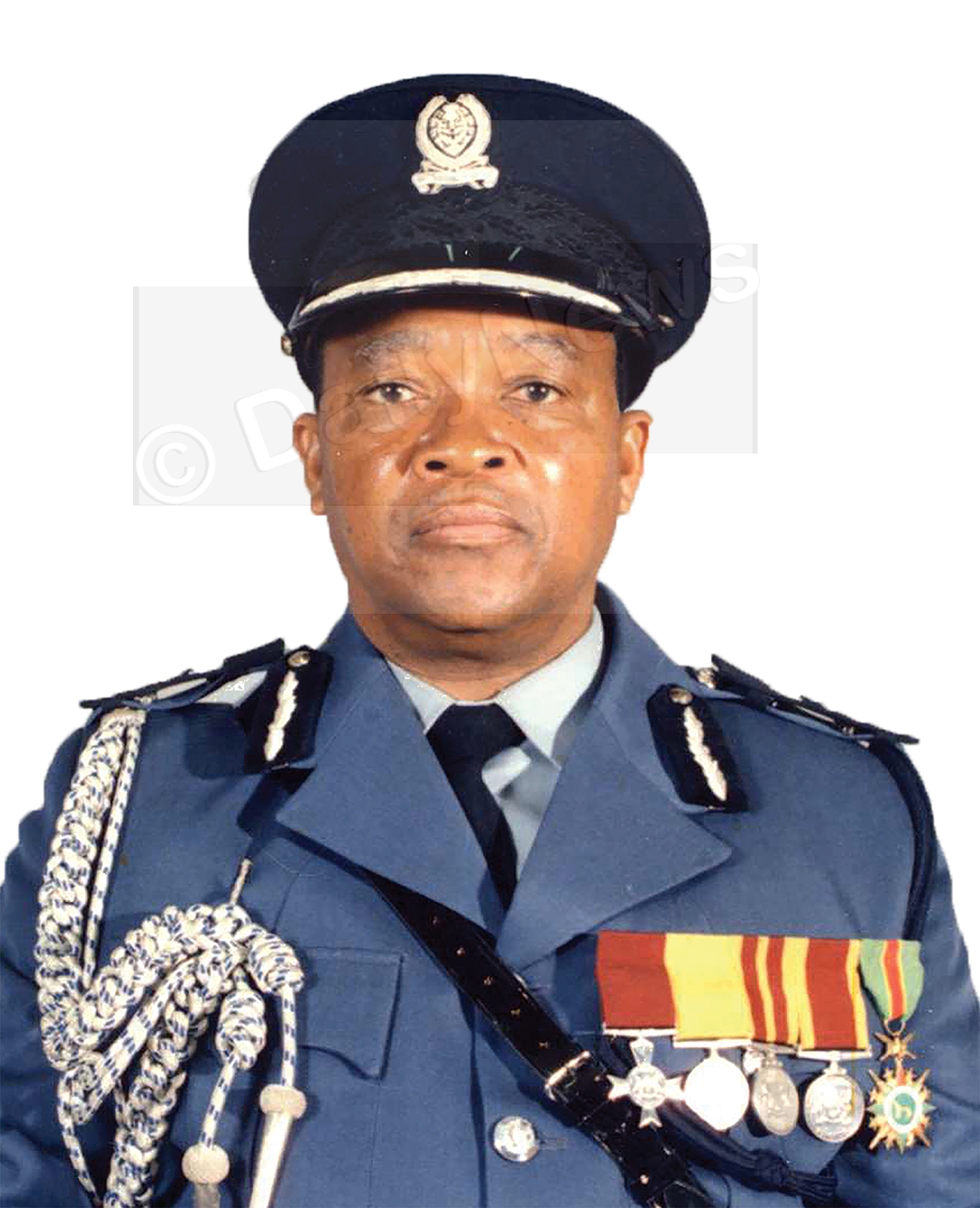
Hirschfeld pioneer of Botswana Law Enforcement

08 Jun 2026
Trust tackles challenges facing young girls
08 Jun 2026