

Mokolwane tree Diamond of Nata


24 Aug 2015
Nata village, which lies about 200 kilometres west of Francistown, means different things to different people.
To tourists, mostly foreigners, the village is not only a gateway to the country’s prestigious tourist destinations of Chobe and Okavango, it is also important for stopovers during the long journeys to tourist destinations.
To the locals, Nata is host of a number of developments such as a primary hospital, police station, schools, lodges, guest houses, filling stations, among others, for the residents to use.
These developments have not only changed the landscape in a significant way, but they have also contributed to the growth of the village economically and socially with more employment opportunities being created.
Besides these notable developments, the village also has vast natural resources and features which are also tourist attractions including Makgadikgadi Salt Pans, different species of trees and birds such as the flamingos and the pelicans.
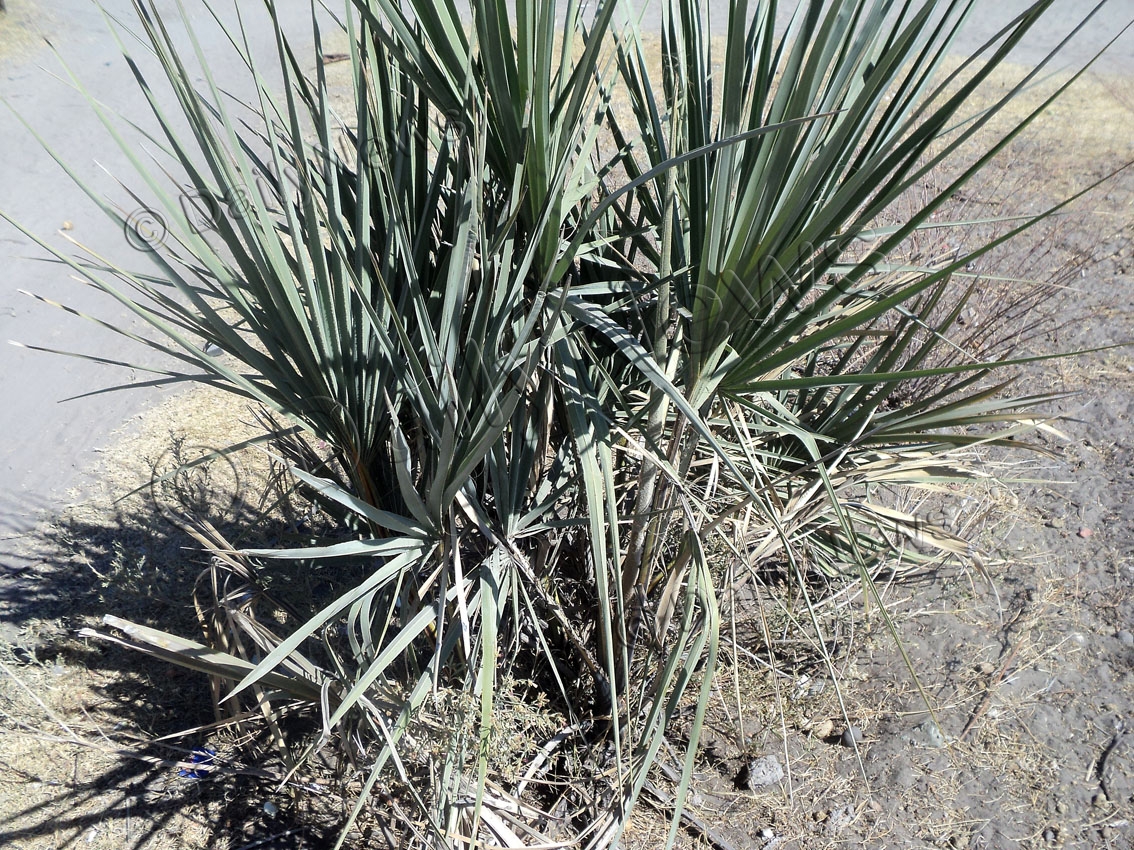
Some of these features are not only considered as attractions, they have become the integral part of the everyday lives of the residents, and one such is the Palm tree locally known as Mokolwane.
In some areas, people struggle to grow the palm tree and others even go to the extent of buying them so as to complement their landscape at homes, hotels and other areas for that unique appealing look.
However, for Nata villagers, the tree is a godsent as it grows naturally in their surroundings and others even have them scattered within their homesteads.
Their abundance in almost every corner of the village can even make one conclude that they out number other tree species.
The traditional leader of the village, Kgosi Rebagamang Rancholo noted that to them, the palm tree is not just an ordinary tree.
“This is one of the species we pride ourselves with. It has become part of our everyday life, we benefit from it in several ways as it is a source of food, income and also provides shade,” he said.
Kgosi Rancholo explained that in the past, the palm trees grew naturally on pans and that, with time, as people kept harvesting its fruits, they threw away the kernels almost everywhere.
He said the kernels adapted to the rich soils of the village and as such the trees eventually mushroomed in the village.
Kgosi Rancholo explained that the trees produced some brown fruits, which cling to the top end of the tree, as such they usually use long sticks or metal rods to plug them down.
He said some harvest the fruits for profit making, adding that they are usually harvested after they have dried up.
“Others prefer to eat the fruit as it is and others normally peel it off and crush it into powder and mix it with milk. The paste formed tastes sweet and it has a lot of bran, which makes it even more nutritious,” he said.
Besides its fruits, the tree serves as a vegetable as the stem of the young palm tree is boiled until it is soft.
One of the villagers, Ms Annetswe Kewagamang also attested that the tree is very useful, noting that other than being edible, its branches are the key ingredients when it comes to weaving items such as baskets, hats and other ornamental items.
She said the branches are cut into thin strips and immersed in water so that they can easily bend and twist to the desired shape, adding that they are combined with few lashes and grass and combined with a string to come up with an end product.
Meanwhile, Kgosi Rancholo expressed that although the village has a number of fortunes, especially from the natural resources, some people, especially the youth who find themselves trapped by the challenge of unemployment, fail to make use of the opportunities available.
He lamented that some have turned a blind eye towards them and continue to indulge in uncalled for behavior such as alcohol abuse and others prefer to be spoon fed. Ends
Source : BOPA
Author : Chendzimu Manyepedza
Location : Nata
Event : Interview
Date : 24 Aug 2015
Related News

09 Jun 2026
09 Jun 2026
Government to review civil litigation practices

09 Jun 2026
Hirschfeld laid to rest

09 Jun 2026
Harvard Health Partnership role significant

09 Jun 2026
SARS cautions foreign motorists against scammers
09 Jun 2026