Growing more on less
16 Nov 2026
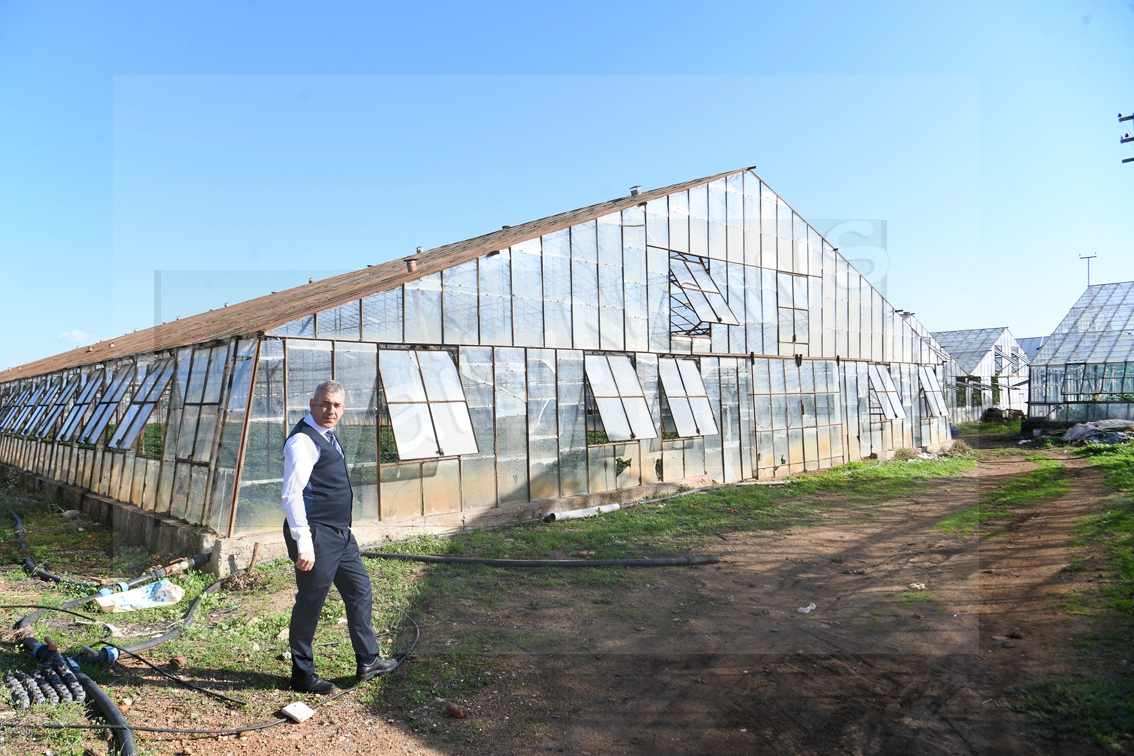
When one descends at Antalya Airport in Türkiye, one of the first striking sights is an extraordinary expanse of greenhouses stretching across the landscape.
From the aircraft window, they resemble a vast sea of white and silver, neatly arranged across the countryside and glistening under the Mediterranean sun.
As the plane approaches the runway, the structures seem to stretch endlessly, offering a striking introduction to a city whose agricultural success is visibly etched into its landscape.
For a visitor from Botswana, where vast tracts of land allocated for agriculture remain fallow or underutilised, the sight is particularly striking.
It immediately begs the question: How has Antalya managed to make relatively small pieces of land work so productively?
In this part of Türkiye, agriculture tells a story of technology, innovation and the deliberate management of natural resources.
Instead of relying solely on expansive fields, farmers have embraced protected cultivation and modern production systems to grow substantial quantities of food throughout the year.
Driving through Antalya, greenhouses become an almost permanent feature of the landscape.
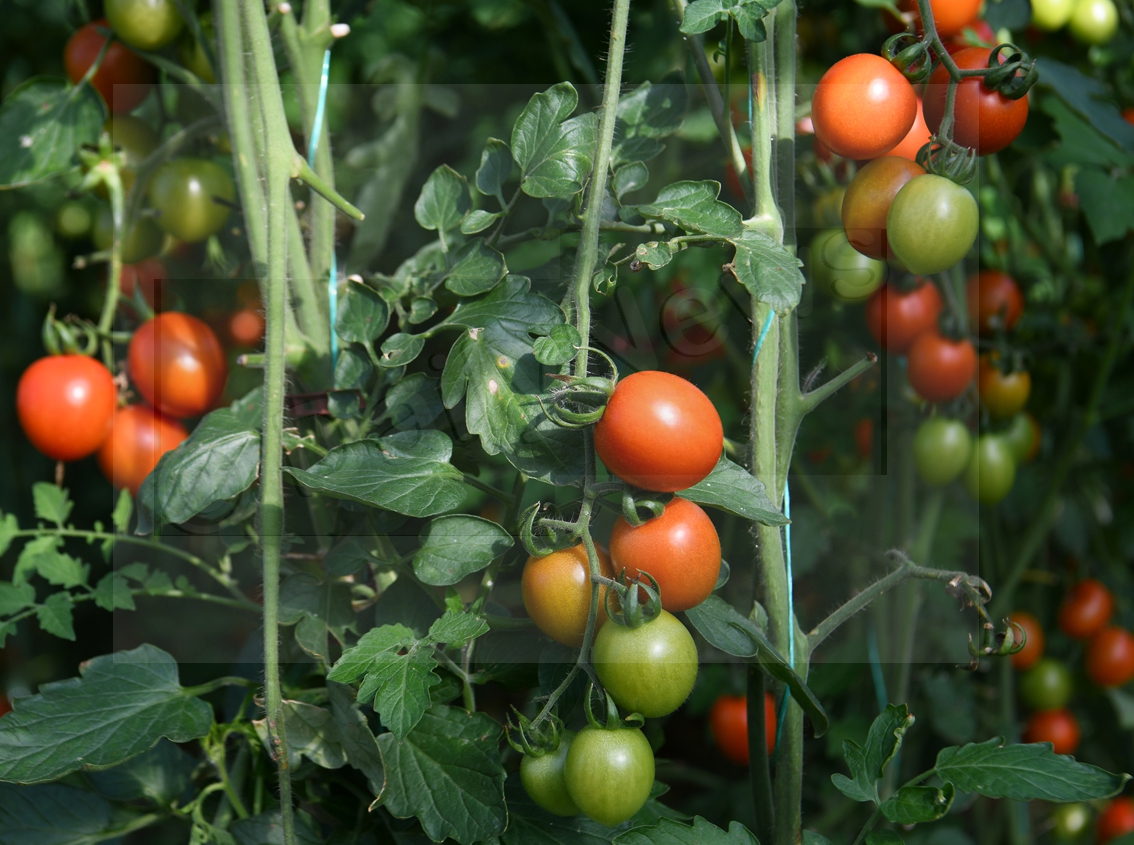
Inside them, tomatoes, cucumbers, peppers, strawberries and other vegetables thrive under protected conditions.
Beyond the greenhouses, small fields and orchards line the roads, with orange, lemon, mandarin, pomegranate, avocado and olive trees adding colour to the countryside.
Antalya is widely regarded as Türkiye’s greenhouse capital, with thousands of hectares dedicated to protected cultivation.
What makes this agricultural landscape particularly impressive, however, is not merely the scale of greenhouse production, but the systems and technologies that make it possible.
Protected cultivation allows farmers to regulate growing conditions, reduce exposure to unfavourable weather and extend production beyond the normal outdoor growing season.
Drip irrigation delivers water directly to plant roots, minimising wastage while some farmers use climate-controlled greenhouses and soilless farming methods to increase productivity and make more efficient use of land and water.
The results are reflected in the production figures. According to the Turkish Ministry of Agriculture and Forestry’s 2025 Antalya Agricultural Investment Guide, based on 2024 statistics, the province has more than 31 000 hectares under protected cultivation, accounting for approximately 41 per cent of Türkiye’s total greenhouse area.
In the same year, Antalya produced approximately 4.9 million tonnes of vegetables and 2.03 million tonnes of fruit, in addition to its field crops.
Agriculture here is, therefore, much more than an economic activity. It sustains farming families, creates employment, supports related industries and contributes significantly to trade and the regional economy.
Greenhouse production also strengthens Türkiye’s export capacity, supplying fresh produce to international markets especially Europe, Russia and the Middle East, even during winter.
The contrast with Botswana is difficult to ignore. While Botswana has considerable land resources, much of the land allocated for traditional arable farming remains unused.
Figures presented in Parliament in October last year indicated that approximately 920 000 hectares had been allocated for traditional arable agriculture, of which about 360 000 hectares were being utilised.
Of course, the two agricultural environments are not directly comparable.
Botswana faces persistent constraints, among them, limited water supplies, unreliable rainfall, high production costs and the effects of increasingly unpredictable weather patterns.
The challenges make farming particularly difficult especially for small-scale producers.
Yet, Antalya offers an important lesson that agricultural productivity is not determined by the amount of land available alone. How that land is used, the technologies adopted and the efficiency of production systems can be just as important.
There is considerable scope for Botswana to explore approaches that enable farmers to produce more from smaller areas particularly through horticulture, greenhouse farming and other forms of protected cultivation.
The country’s horticultural production figures suggest that progress is already being made.
An article published by DailyNews on March 31 reported that Botswana produced approximately 140 881 tonnes of horticultural crops between April last year and January this year.
This comprised 114 080 tonnes of vegetables and 26 800 tonnes of fruit. Vegetable production exceeded estimated national demand by 1.8 per cent while fruit production met approximately 67 per cent of demand.
The figures point to an opportunity not only to strengthen domestic food production but also to address remaining supply gaps and expand the country’s horticultural potential.
Speaking on the sidelines of COP31, Director of Partnerships in the Ministry of Lands and Agriculture, Dr Christopher Nyanga, said Botswana could draw valuable lessons from Antalya’s approach to greenhouse farming, modern agricultural technologies, climate-resilient production and more efficient land use.
Dr Nyanga noted that the experience could help Botswana consolidate the gains being made under the Lemang Dijo programme, where participating farmers had recorded encouraging results, including unprecedented yields and record bags per hectare.
For him, the next step is to build on this progress by improving production methods, embracing appropriate technologies and learning from agricultural systems that had demonstrated the potential to achieve higher yields.
The lesson from Antalya is not that Botswana should replicate its agricultural model wholesale. The country’s climatic conditions, water availability and farming systems are different.
Rather, it is about identifying technologies and practices that can be adapted to local circumstances and allow farmers to make better use of available resources.
The visit takes place against the backdrop of the 31st United Nations Climate Change Conference (COP31)held in Antalya from November 9-20.
The conference provides a platform for countries to exchange experiences and explore practical responses to climate change, including ways of strengthening food systems and building resilience in agriculture.
For Botswana, the discussions have particular relevance as the country seeks to protect agricultural production against increasingly difficult climatic conditions.
Dr Nyanga also highlighted the importance of preparing farmers for anticipated El Niño conditions, which could bring reduced rainfall and higher temperatures, placing additional pressure on agricultural production.
Such conditions reinforce the need to move beyond dependence on traditional rain-fed farming and explore production systems that can better withstand climatic shocks. Greenhouse farming, efficient irrigation and climate-smart agricultural technologies could form part of that response, provided they are adapted to local needs and supported by appropriate investment, skills and infrastructure.
Dr Nyanga emphasised that climate change was a global challenge that required cooperation among countries.
Multilateral engagement, knowledge exchange and strategic partnerships are, therefore, important in mobilising the technical expertise, technologies and resources needed to strengthen agricultural production and help farmers adapt to changing climatic conditions.
For Botswana, the takeaway is not simply to build more greenhouses. It is to rethink how agricultural land is utilised, how water is managed and how technology can help farmers produce more with the resources available to them.
In a country where large portions of agricultural land remain underutilised and climate pressures continue to intensify, that may be one of the most valuable lessons Antalya has to offer. ends
Source : BOPA
Author : Ndingililo Gaoswediwe
Location : ANTALYA
Event : Feature
Date : 16 Nov 2026
Related News

16 Nov 2026
New policy to strengthen migration governance