

Speak Well trains telephonists

05 Mar 2014
The business world is characterised by a rise in the use of modern technology for all aspects of communication.
But despite this advancement in technology, the telephone still remains the one mode of communication that is used in several business transactions. It usually forms the first form of contact that a customer has with a service provider or business.
On February 28, Speak Well, an organisation pioneered by Cliff Kepaletswe, an author, TV and radio personality engaged in a one day crash course in business telephone etiquette.
The course, which is Botswana Qualifications Authority (BOTA) accredited, helped participants to achieve a customer friendly telephone environment with the objective of equipping them with the knowledge and skills necessary for effective telephone communication in any business environment.
Among participants were secretaries, office administrators, receptionists, customer service agents and others who rendered services through the telephone.
During his presentation, Cliff Kepaletswe outlined that the business telephone etiquette that organisations and their employees used directly reflected upon the image that their business portrayed.
“It is crucial that all personnel in an organisation are well schooled in the area of business telephone etiquette to ensure that they exhibit the desired mannerism as this helps marinate relationships with customers”, he said.
Some of the do’s and don’ts that Mr Kepaletswe outlined where that, when answering a business phone, it was important that it would not allowed to ring more than three times. He advised that the second or third ring was the ideal time to pick up the telephone.
The phone should be answered with a positive greeting such as ‘Hello,’ ‘Good Morning,’ or ‘Good Afternoon’. Following the greeting, the person who answered the phone should give his or her name and the name of the business or organisation that is being contacted.
Putting on a smile before placing or answering a phone call is ideal because when a person smiles, it affects the sound of his or her voice, giving it a more pleasant and friendly tone. For clarity, the telephone should be held close to the mouth.
He said when answering the phone, people should be appropriate and present themselves in a fresh and friendly manner. “They should respond with the right energy and adapt to the mood of the caller, and also be efficient as time is of great essence”, he said.
“The ideal language structure should have the correct level of formality with the right tone of voice.
People should also speak in a clear tone using a voice that is neither too loud nor too low. Words should be punctuated so that even slow people are able to understand what is being said to them”, asserted Mr Kepaletswe.
Furthermore, Kepaletswe said focusing attention on the caller will help to promote proper telephone etiquette. The business environment is often a busy one. And to maintain a busy and productive environment, a business must maintain its customers.
“Therefore, when customers or clients call in, one should stop what they are doing and focus the attention on answering the phone.
Listening actively to the caller and taking notes if necessary, keeping an open mind and reflecting on the conversation. This will help to address all of the caller’s concerns on the first attempt” he stated.
Mr Kepaletswe said if someone must be put on hold, ask for permission first and give him or her option to leave a voice-mail message.
When taking them off hold, thank the caller to show that their time is respected.
When a caller is speaking one should listen to what he or she has to say without interruptions.
Things that should not be done when one is answering the phone are eating, chewing, or drinking.
If a person has anything in his or her mouth, it should be swallowed or removed before picking up the phone to either answer or place a call. When talking to a client or a customer one should never say anything that can be perceived as rudeness.
The person who answers the phone should always talk to the caller in the same way that he or she would expect to be talked to.
A person who answers the call should never use slang when speaking to a caller. Thank them for calling and say ‘Good-bye’ not ‘bye-bye,’ ‘Okie-dokie,’ ‘Alrighty,’or any other slang phrase. Telephone techniques are built from a few basic rules and principles.
In fact, telephone etiquette can be summarised in one word: courtesy.
Unfortunately, courtesy is not something people are used to being shown routinely in the business world.
If the caller is a potential customer and you are courteous to him, you have an excellent chance of gaining a new customer. If he is an existing customer, you will keep him for life!
Upon completion, participants will be called by anonymous instructors posing as difficult clients at individual participant’s places of work to assess whether they practice what they learned. ENDS
Source : BOPA
Author : Tsholofelo Motswagae
Location : GABORONE
Event : Business Telephone Etiquette crash course
Date : 05 Mar 2014
Related News
08 May 2026

07 May 2026
Kagame wraps visit with DTCB tour
07 May 2026
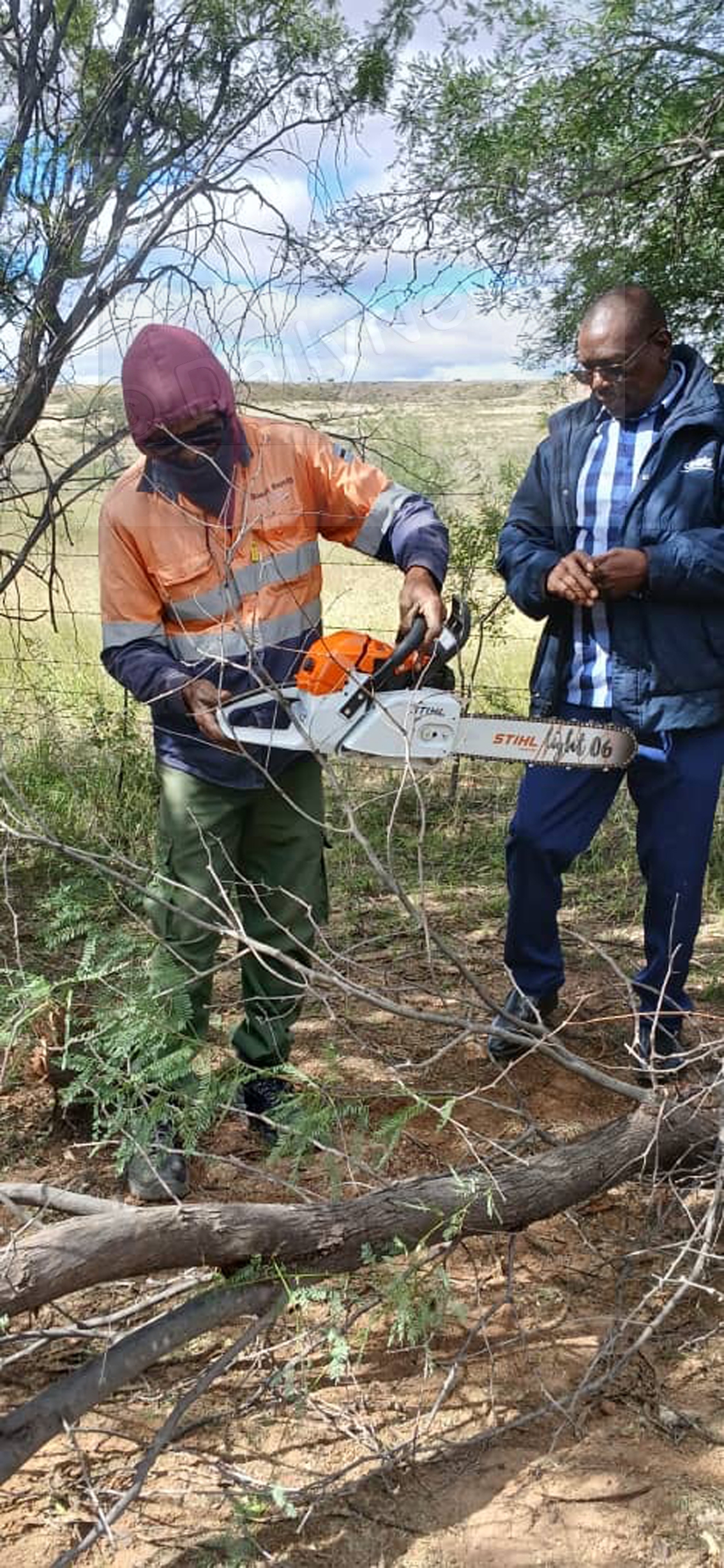
BURS donates nine chain saws
07 May 2026
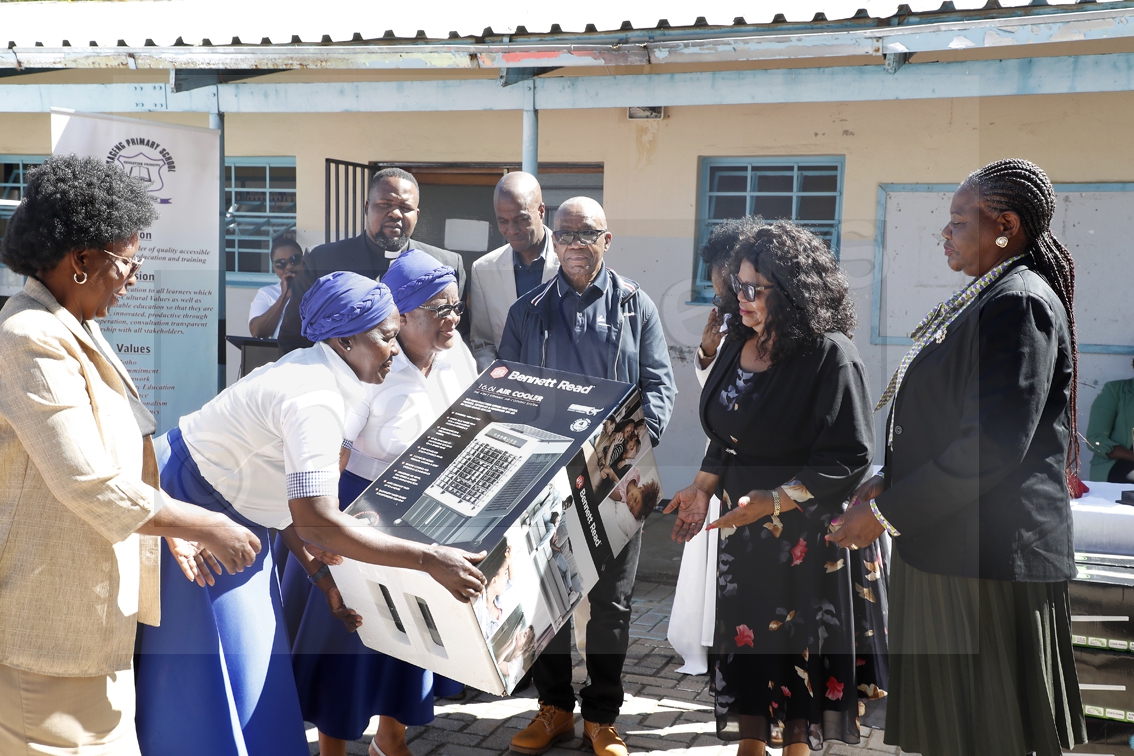
Donation boosts primary schools in Gaborone
07 May 2026