


Gaolathe advocates climate-resilient healthcare
12 Nov 2026
Acting President, Mr Ndaba Gaolathe has called for urgent investment in climate-resilient healthcare, stronger mental health services and improved sexual and reproductive health programmes.
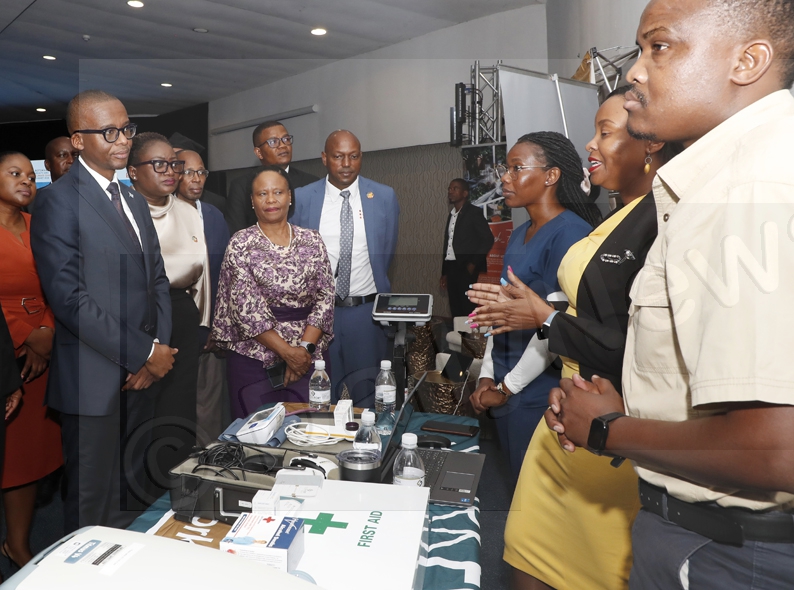
Speaking at the Botswana Health and Climate Change Summit in Gaborone yesterday, Mr Gaolathe warned that climate change was increasingly threatening the health, livelihoods and economic development of Batswana.
He said the effects of climate change were no longer confined to agriculture and the environment but were increasingly being felt in clinics, classrooms, workplaces and households.
He emphasised that environmental health and human health were inseparable, pointing to the risks faced by children exposed to unsafe water, elderly people enduring extreme heat and families whose livelihoods were undermined by drought.
The summit, organised by the Botswana Family Welfare Association (BOFWA) and its partners under the theme: Breaking the Silence, Building Resilience, Advancing Climate-Resilient Health, Sexual and Reproductive Health and Rights (SRHR) and Mental Well-being in Botswana, provided an opportunity to address interconnected challenges.
Mr Gaolathe said Botswana’s ambition of becoming a high-income, diversified and inclusive economy, as outlined in National Development Plan 12 (NDP 12) and Botswana Economic Transformation Programme (BETP), depended fundamentally on the health and capabilities of its people.
He noted that illness undermined education, productivity and household savings, making healthcare central to the country’s economic transformation agenda. He described the ongoing development of the National Health Insurance Policy and its legislative framework as important steps towards universal health coverage, stressing that the system must remain accessible, affordable and resilient to climate-related pressures.
The acting President also highlighted the stigma surrounding sexual and reproductive health, particularly among young people who often faced embarrassment, fear and judgement when seeking information and services.
He called for accurate, age-appropriate information, confidential healthcare, stronger maternal services and greater involvement of families, schools and communities.
He urged men and boys to promote relationships based on respect and equality. On mental health, Mr Gaolathe called for greater openness and improved access to counselling, referrals and support services, including the integration of mental healthcare into primary healthcare. He warned that drought, food insecurity and climate-related disasters could intensify anxiety, trauma and emotional distress, particularly among vulnerable households.
Botswana’s geographical vulnerability also featured prominently in his address. He cited temperatures of 43.8 degrees Celsius in Tubu in December 2022, while Mababe was at 37.8 degrees Celsius in October that year.
He further warned that the 2026/2027 rainy season faced increased risks of below-normal rainfall, prolonged dry spells and above-average temperatures under the El Niño advisory, adding that those conditions could threaten water supplies, crop production, grazing lands and household livelihoods.
To strengthen preparedness, Mr Gaolathe revealed that the President had established a cross-sectoral El Niño Task Force, to coordinate efforts across agriculture, water, energy, environmental management and healthcare.
He stressed that health facilities must have reliable water and electricity, effective disease surveillance systems and the capacity to continue operating during environmental emergencies.
Citing a World Health Organisation report released on November 4, Mr Gaolathe said scaling up key climate and health interventions could prevent approximately 1.6 million deaths globally each year. He said interventions included heat warnings, safe drinking water, sanitation, cleaner household energy and improved fossil fuel pricing.
He further said the report also estimated that five assessed interventions could generate approximately US$24 in benefits for every dollar invested.
He thus called for prudent public spending, increased climate finance and partnerships with private investors, including the mining industry, to mobilise funding, technology and expertise.
Mr Gaolathe further warned that climate change was deepening gender inequalities, with girls at risk of leaving school to collect water and facing increased exposure to gender-based violence, while boys could be pushed into premature labour and dangerous migration. ENDS
Source : BOPA
Author : Lesedi Thatayamodimo
Location : GABORONE
Event : Botswana Health and Climate Change Summit
Date : 12 Nov 2026
Related News

12 Nov 2026
Botswana calls for climate financing
12 Nov 2026