



School revival programme on course
05 Nov 2026
Across the country, the Education Infrastructure Management Company (EIMC) is undertaking a school revival programme, with refurbishment works underway at 22 public secondary schools as government moves to address longstanding infrastructure challenges in the education sector.
Established in December 2025, EIMC is mandated to refurbish, expand, digitalise and modernise public schools and professionalise the management of their associated facilities.
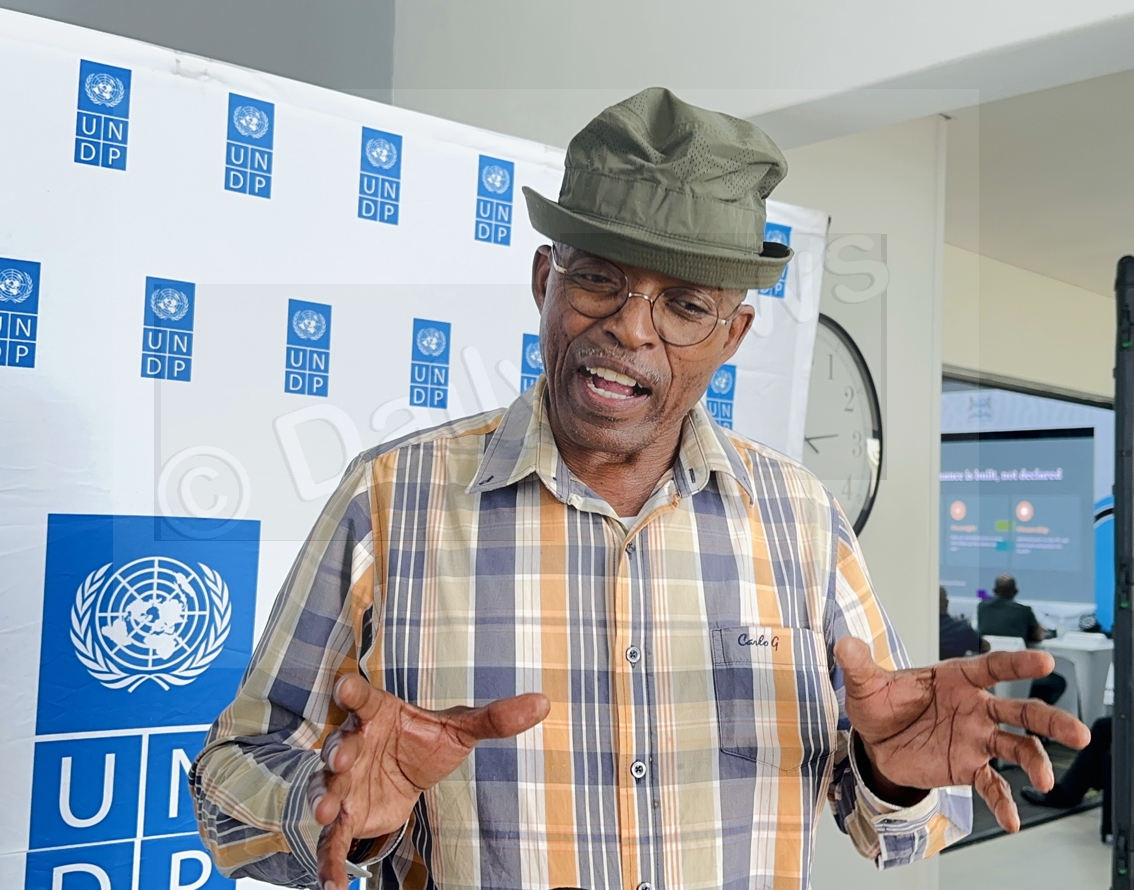
Speaking in an interview in Gaborone on Wednesday, EIMC Chief Executive Officer, Ms Chanda Masendu-Kusane said the initiative was designed not only to improve school infrastructure, but to also promote employment creation, skills development and local economic participation.
The company oversees an infrastructure mandate covering approximately 1 020 public schools, comprising 779 primary schools, 207 junior secondary schools and 34 senior secondary schools.
“An assessment conducted by EIMC revealed that approximately 75 per cent of junior and senior secondary schools required urgent intervention, with some having dilapidated buildings, faulty lighting, overcrowded classrooms, deteriorating ablution facilities and poor teachers’ accommodation,” she said.
To address the situation, she said EIMC had introduced a National Programme on Refurbishment, Modernisation and Maintenance of Schools, with the first three-year implementation phase running from April 2026 to April 2029.
One of the company’s first interventions, she said, was the Ke Abela Sekolo campaign, launched in July through the Winter Doors and Windows Campaign targeting 20 schools.
The initiative had earlier received a P950,000 contribution from First National Bank Botswana Foundation.
In August 2026, the company commenced a P265 million refurbishment programme targeting 22 public secondary schools, comprising 11 junior and 11 senior secondary schools, with completion scheduled for March 2027.
Ms Masendu-Kusane said qualified Technical and Vocational Education and Training (TVET) graduates and local artisans were being engaged, while beneficiaries of the Ikageng Public Works Programme would work alongside experienced artisans to acquire practical skills.
Through its partnership with the Presidential Youth Empowerment Campaign, she said EIMC had also mobilised young people with construction-related qualifications to participate in the works, while building materials were procured from local vendors to support businesses within beneficiary communities.
At Maoka Junior Secondary School in Gaborone, the refurbishment programme has attracted further private-sector support, with Dulux Botswana donating paint and committing to provide professional training to TVET graduates.
In a further institutional development, Ms Masendu-Kusane said EIMC had transitioned from the Ministry of Child Welfare and Basic Education to the Ministry of Transport and Infrastructure, a move expected to strengthen technical collaboration in infrastructure delivery.
EIMC Chief Operations Officer, Mr Khumo James, said Maoka JSS was the company’s pilot project and that progress at the school was satisfactory.
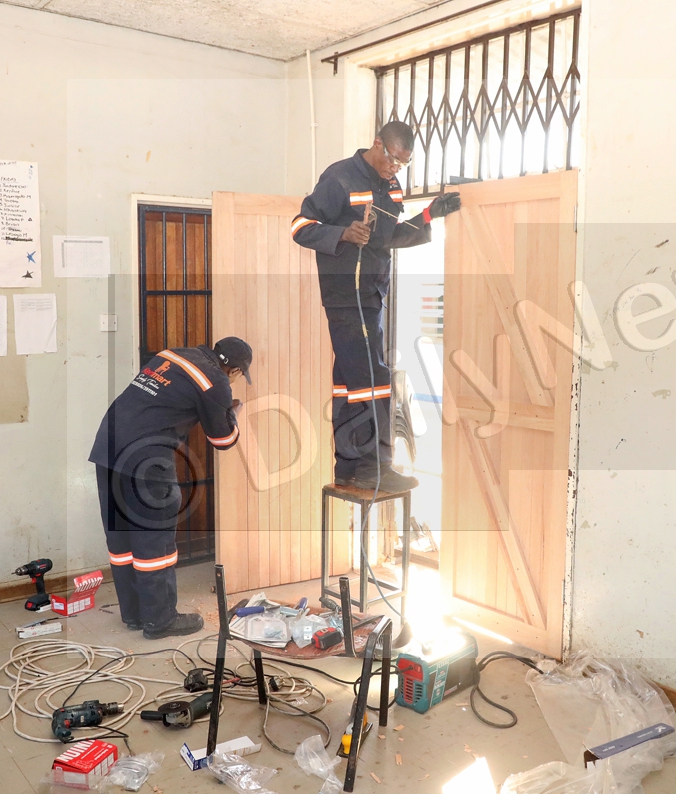
So far, previously vandalised and worn-out doors and windows had been replaced, while ceilings, kitchen cupboards, geysers and floor tiles were being installed at the teachers’ quarters, he said.
Mr James explained that EIMC had adopted an artisan-based implementation model, under which the company procured materials and engaged artisans, TVET graduates and public works participants to undertake the works.
About 39 artisans, including electricians, plumbers and painters, had so far been engaged, he said.
He said the company had also introduced a target-based payment system whereby artisans were paid according to completed work and agreed rates.
For instance, painters were paid per square metre of work completed, a model he said encouraged artisans to be self-motivated and self-supervised.
Additionally, EIMC had prioritised lighting and electrical works in schools preparing learners for examinations to ensure that examination rooms were adequately illuminated.
Mr James said the company had been given 36 months to execute its mandate, with basic maintenance works at the 22 schools targeted for completion by March 31, 2027.
Beyond physical refurbishment, he said EIMC was also seeking to improve access to digital learning.
In September this year, Mophane Primary School in Gaborone received two visualisers, one collaborator and two digital interactive panels through a partnership with Grant Thornton.
He said community participation had also contributed to the revival of school facilities.
At Rakops Junior Secondary School, residents raised P62 000 towards hostel restoration, attracting support from Debswana, Rosedale, Jumborp and other partners.
In addition, EIMC assisted with the reinstatement of electricity and replacement of windows, while 48 doors were installed in the boys’ hostel blocks, he said.
However, Mr James acknowledged that resources remained a major challenge, considering the number of schools requiring attention.
He expressed concern that more than 70 per cent of the country’s 207 junior secondary schools and approximately 60 per cent of the 34 senior secondary schools were in a state of disrepair.
EIMC estimated that approximately P7 billion would be required to transform public school infrastructure countrywide. Government allocated P1 billion for the 2026/2027 financial year, while the company continued to pursue partnerships with businesses and other organisations to mobilise additional resources. ENDS
Source : BOPA
Author : Lorato Gaofise
Location : Gaborone
Event : Interview
Date : 05 Nov 2026
Related News
05 Nov 2026
05 Nov 2026
BETP revives mega infrastructure projects
05 Nov 2026