


EU forges partnership with Africa Geological surveys
03 Nov 2026
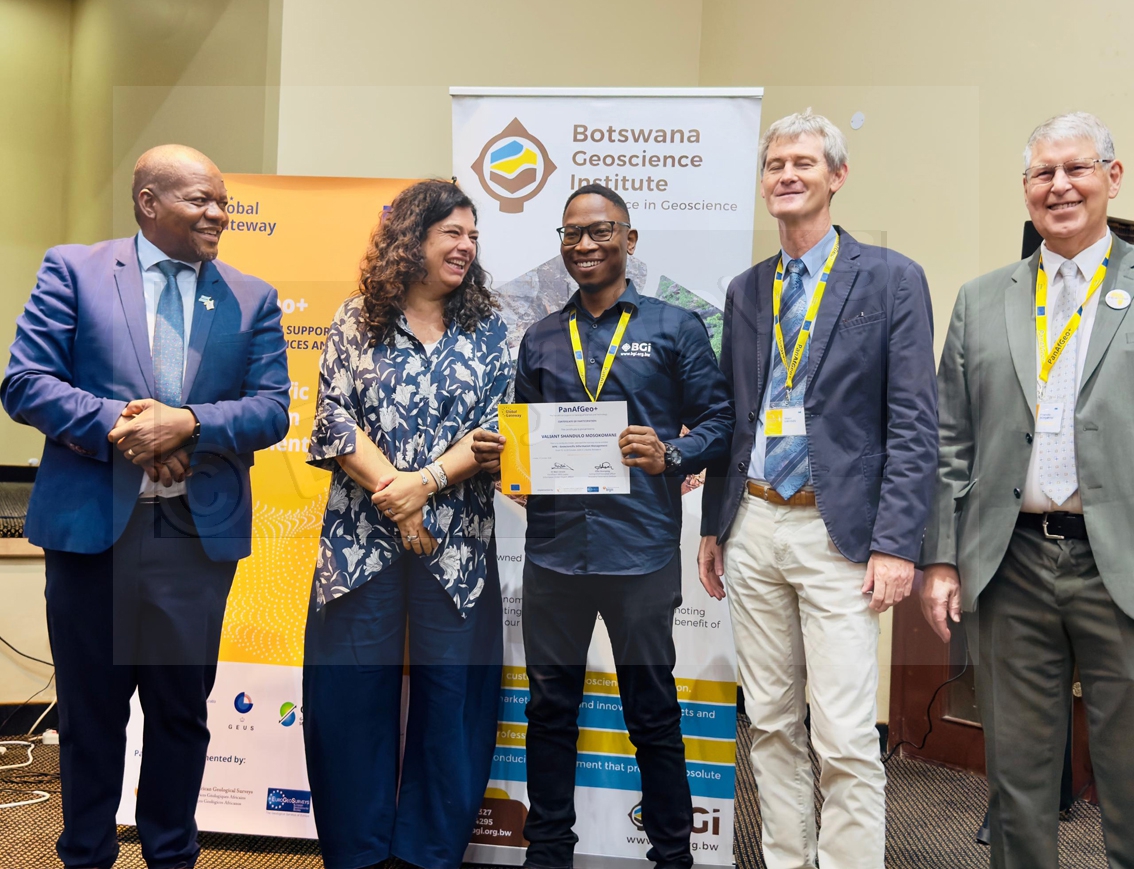
Seventeen young Geoscientists from across Africa have completed a two-week European Union (EU), Pan African Geoscience programme on Geoscientific Information Management.
Officially closing the programme at Botswana Geoscience Institute (BGI), that commenced October 12 and ended on Friday, European Union delegation to Botswana and SADC ambassador, Ms Belén Uyarra, said the development was a strategic partnership between the EU and Organisation of African Geological Surveys, aimed at strengthening and capacitating geologists across the African continent including Botswana.
It focused on training, knowledge exchange, and fostering long-term geological institutional collaboration, to empower national geological services to work independently and more efficiently. The training provided targeted investments in human capital, geological surveys tools, and infrastructure aimed at creating a lasting impact on Africa’s geological sector, forging partnerships, and collectively making a lasting impact for sustainable development.
Ms Uyarra said minerals discovered by geologists provided critical raw materials to economic prosperity of countries hence geoscientific cooperation was important.
“We promote sustainable investment opportunities about critical raw materials and that is the work that we do through geoscientists. As geologists, you provide scientific evidence on what minerals are available to attract investment into your countries. I urge you to use the knowledge and skills you gained to facilitate dialogue on investment and to enhance geoscientific collaboration,” she said.
BGI acting chief executive officer, Mr Puso Akanyang, appreciated that PanAfGeo+ programme would help transform geological delivery as Africa needed the new set of skills. The cohort, he said had mastered the Geoscientific Information Management, the digital workflows, and spatial analysis.
“You have gathered necessary skills to be able to analyse raw field data into actionable national progress,” he said.
He stressed that geological decisions were economic, environmental, public decisions, that would be handy during delivery.
With the skills you have received and the computers that you have received, it is the decisions that you will make that will make a difference,” said Mr Akanyang.
The PanAfGeo+ WP6 training leader, Dr Marc Urvois, of the French Geological Survey, emphasised that the programme had brought Europe and Africa together for the Pan African Support to Geological Sciences and Technology across the Africa.
The cohort, he said was drilled on new ways of collecting and managing geological data, geographic information systems, remote sensing, how to collect the data and bring the information from the field using new technology such as using mobile phones and integrating drones, analyse and disseminate data.
The programme was facilitated by the France Geological Survey and funded by the European Union, to advance the work of the Organisation of African Geological Surveys.
Speaking on behalf of the PanAfGeo+ WP6 trainees, Mr Takudzwa Muzopa, of Geological Survey of Zimbabwe, appreciated the programme for representing more than technical training, highlighting that it was an investment in strengthening Africa’s geological institutions, advancing digital transformation and promoting international cooperation.
A participant from BGI, senior data base geologist, Mr Valiant Mosokomani, said he gained knowledge on managing geospatial data and related information to Geosciences as well as fresh knowledge on new tools used to improve efficiencies in managing data.
Mr Robert Kemokai of Liberia Geological Surveys regarded the training as beneficial and that he would apply the knowledge to his daily delivery, including in remote sensing, and mapping. ENDS
Source : BOPA
Author : Calviniah Kgautlhe
Location : Lobatse
Event : Botswana Geoscience Institute
Date : 03 Nov 2026
Related News

03 Nov 2026
Botswana steps up fight against breast cancer 2

03 Nov 2026
BUAN-Sowa partnership put communities first
03 Nov 2026