


Nurses operational conditions worrisome
02 Nov 2026
The welfare and operational conditions of nurses have dropped to an all-time low and no longer meet the standards of decent work.
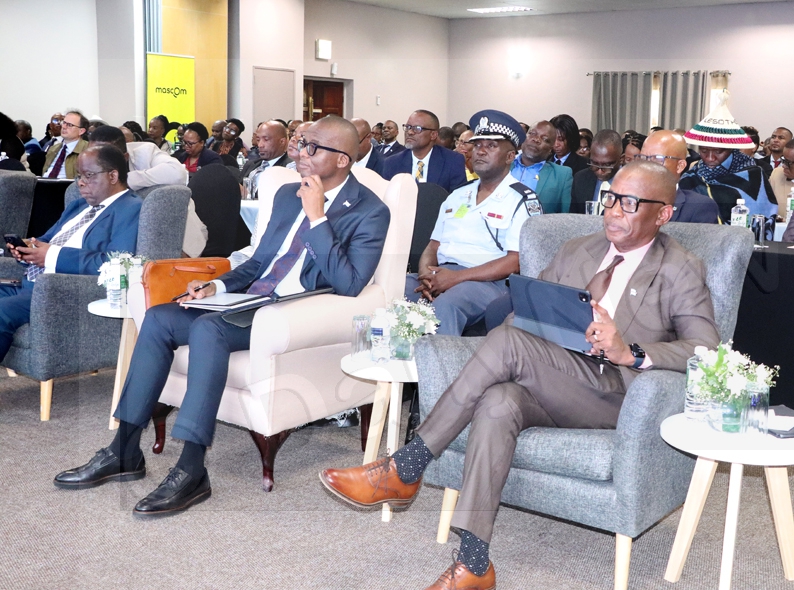
Speaking at the Botswana Nurses Union (BONU) Annual General Conference in Palapye Thursday, Minister of Labour and Home Affairs, Major General Pius Mokgware stated that the current state of nurses and nursing services across the country were undesirable.
He singled out critical institutional gaps such as the long-term stagnation of personnel on the same salary scales and the structural separation of married couples due to remote transfers as issues that needed urgent attention.
To reverse the trend, he requested a thorough re-examination of the legacy statutes governing the profession, emphasising that obsolete regulations drafted long ago must be amended to fit contemporary labour realities.
Major General Mokgware also validated grievances raised by the Botswana Nurses Union (BONU) president such as lack of consultation prior to the passing of the recent Nurses and Midwifery Act.
Laws should never be enacted without engaging those affected, Minister Mokgware said and promised to investigate the matter and ensure retroactive consultations were carried out to make necessary corrections.
He further challenged BONU and the general nursing body to audit the existing regulatory framework, identify sections requiring adjustments, and compile formal statutory recommendations for submission to Parliament.
BONU president, Mr Oreeditse Kelebakgosi, appealed to the government to halt the implementation of the newly gazetted Nursing and Midwifery Act until a comprehensive consultative process with all key stakeholders was conducted.
He called for a state of emergency to be declared on the nursing profession owing to severe staff shortage, poor working conditions, and a lack of consultation on laws affecting nurse’s welfare.
The nursing cadre continues to face absolute precarity, and nurses in both state-of-the-art private facilities in Gaborone and under-resourced rural clinics remain overworked, underpaid, and undervalued, Mr Kelebakgosi said.
Mr Kelebakgosi warned against the growing trend of expanding health facilities and operational hours while keeping staffing numbers stagnant.
Nonetheless, he commended the ministry of labour for implementing the Employment and Labour Relations Act, 2025, which took effect on September 1, and celebrated its progressive milestones, including Section 217’s mandate for safe night-shift transport, extended maternity and paternity leave to uphold family dignity and the historic introduction of 20 days of paid hospitalisation leave.
Despite these legislative achievements, Mr Kelebakgosi cautioned that enforcement remained low and urged the ministry to strengthen its labour inspection mechanisms, reporting that some employers were undertaking premature retrenchments and restructuring to bypass the new law’s 12-month minimum requirement for short-term contracts.
He expressing disappointment over the Ministry of Health’s handling of the revised Nursing and Midwifery Act, saying that the union was bypassed in the drafting process.
The new Act has turned the Nursing and Midwifery Council of Botswana into an entity with unchecked powers to penalise and suspend professionals without due process, Mr Kelebakgosi said, adding that any law made about nurses without their input, would disadvantage the profession. ENDS
Source : BOPA
Author : Portia Rapitsenyane
Location : Palapye
Event : BONU AGM
Date : 02 Nov 2026
Related News


03 Nov 2026
Botswana steps up fight against breast cancer

03 Nov 2026
BUAN-Sowa partnership put communities first
03 Nov 2026