The lensman takes final breath
16 Oct 2026
In 1998, Botswana stood on the brink of history. After more than three decades of self-rule, the nation was still waiting to see its story told in moving pictures on its own television channel. That dream was finally taking shape, and a team of just 65 people had been assembled to bring it to life.
We were young, full of potential and ready to learn. Much of our training was practical. We were learning while building, discovering while doing, and helping to create something that would eventually become part of our national identity.
We spent a full year on on-the-job training at SABC North West in Mafikeng, South Africa. It was a remarkable training ground, where we learnt from some of the finest in broadcasting, arts and culture.
But Mafikeng was more than a place of professional development. It was where we grew into our craft, discovered the world beyond our training rooms and built friendships that would stay with us for a lifetime.
Coming from Borolong, close to the South African border, Bonolo knew the terrain. By day, he was our evolving photographer, sharpening his eye and learning the demands of television. By night, he became our social guide, taking us to the Units and the high-density areas, ensuring we experienced Mafikeng beyond the confines of our training.
Bonolo arrived with a skill already in hand. He had a foundation in still photography; all that remained was to sharpen that eye and translate his talent into videography. He had the skill. I was raw talent, eager, hungry and ready to learn. Truthfully, all 65 of us were learning.
He brought the eye; I brought the curiosity and the questions. I was the journalist, and he was the videographer. That is how our professional relationship began, and how our lives became intertwined in the making of Botswana’s television history. We could not have known then just how much history we were making, or how precious those early days would become.
Bonolo was a craftsman who pursued excellence and expected his teammates to do the same. For him, good enough was never quite enough. The pictures had to tell a story, the script had to serve the pictures, and the editing had to bring everything together. He was outspoken when the final product fell short of what he knew could be achieved. If something needed improving, he would say so. If the work could be better, he expected the team to go back and make it better.
For all his uncompromising standards, Bonolo took pride in getting the story right. When an assignment came together as he had envisioned it, you could feel his satisfaction. And if it was my story, he had his own way of acknowledging it. He would simply say, “Mkhefisto!” That one word carried its own meaning between us. After all the scrutiny, criticism and insistence on getting things right, it was an affectionate acknowledgement.
Among the expressions that captured this uncompromising approach were two familiar refrains from the BTV pioneer vocabulary. When he felt someone had fallen short of the expected standard, he could reach for the memorable expression, “o okometse television ka fenstere ee tintilweng.” And when a story failed to meet his expectations, there was the dreaded verdict: “o bapile le story.”
But his pursuit of the perfect picture, however, sometimes brought him into conflict with protocol. For Bonolo, the instinct was simple: get the picture, capture the moment and tell the story. But presidential assignments have boundaries, and the determination to get the shot could sometimes bring consequences
Bonolo was a man who could never go unnoticed. His imposing physical presence made him instantly recognisable, but his personality ensured that he was never merely another body in the room.
He moved with authority and carried himself like a man who knew he had a job to do. In Bonolo’s world, the journalist and the videographer had to be noticed. He dressed well and appropriately for assignments, and he expected his colleagues to do the same.
If there was one thing that made Bonolo unforgettable, it was his humour. He was unapologetically funny. When he was in his element, authority was not necessarily a reason to restrain himself. Presidents Dr Festus Mogae, Lt Gen. Dr Seretse Khama Ian Khama and Dr Mokgweetsi Masisi knew him well. Ambassador Kitso Mokaila could also fuel the mischief, sometimes to a point where they flirted with the boundaries of protocol.
Of the 65 pioneers who came together in 1998 to bring Botswana’s television dream to life, many eventually left BTV to pursue other careers and opportunities. Bonolo, however, stayed. And I have stayed too, with several others. He remained with BTV to the end, devoting his professional life to the institution whose beginnings he had helped shape.
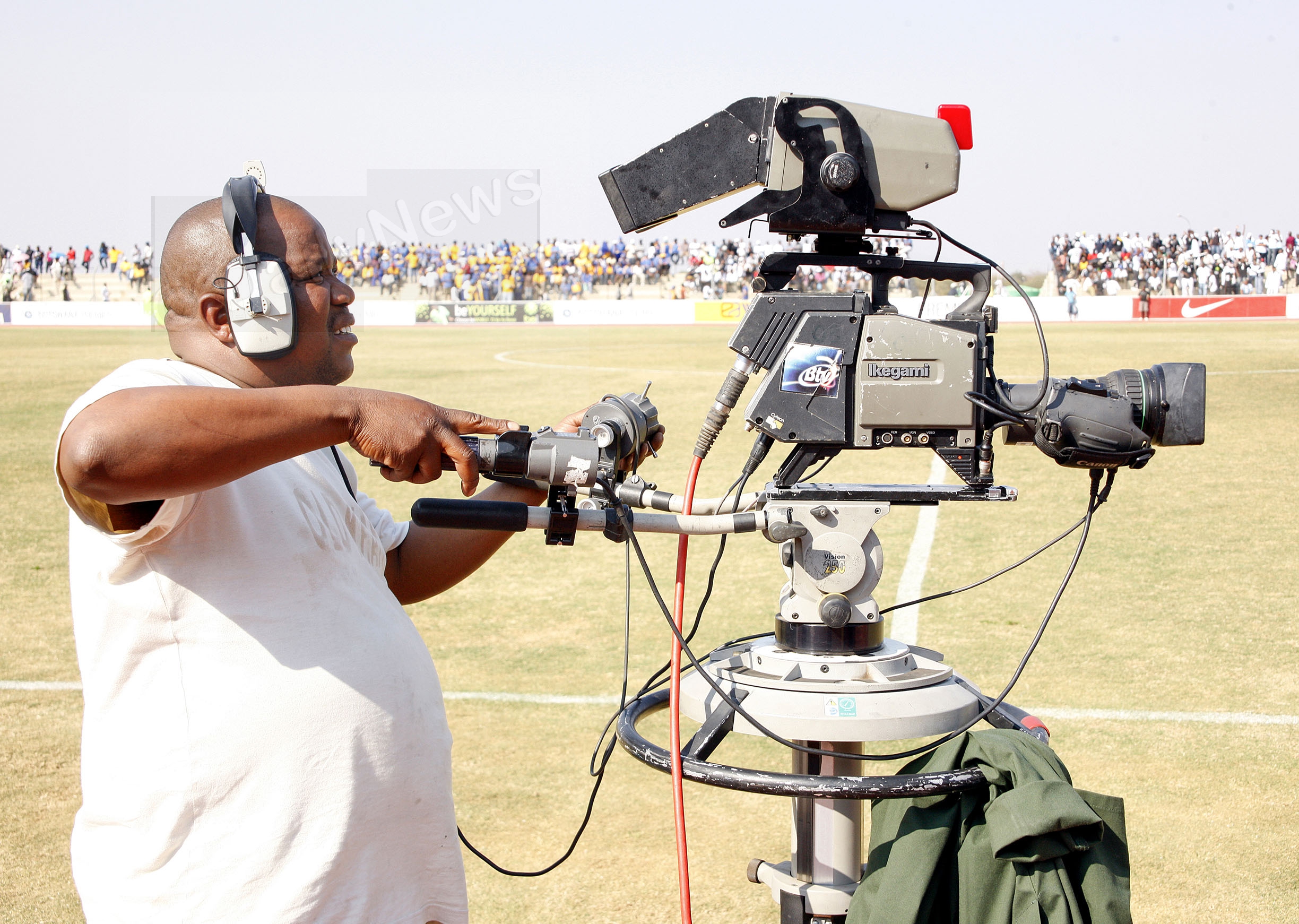
He captured the unfolding story of Botswana: its leaders and its people, its defining moments and its everyday realities. He became more than a man who had been present at the birth of national television. He became part of its enduring memory.
One of his most enduring gifts was his ability to work with younger talent. He did not reserve his experience for those who had been around as long as he had. He engaged younger colleagues, shared the demands of the job and passed on lessons that could only come from years behind the camera.
His influence lives on in the eyes of the younger professionals he mentored: in how they frame a picture, approach an assignment, understand the relationship between pictures and words, and appreciate the responsibility that comes with telling a national story.
For those of us who were there from the very beginning, Bonolo’s passing is a deeply personal loss. I remember the young man who brought his photographic eye to a national dream, the colleague who made difficult assignments lighter, the craftsman who refused to settle for mediocrity, and the friend who made the journey worthwhile.
The pioneering 65 were entrusted with a dream, and together we helped give Botswana a television voice of its own. Bonolo carried that responsibility throughout his working life. As I bid him farewell, I find comfort in knowing that his story does not end with his departure from this world. It continues in the images he captured, the national moments he helped preserve, the colleagues he supported and the younger professionals who will carry forward the lessons he left behind.
He now joins other incredible pioneers we have lost along the way: Julius Ketsitlile, Victor Ditlhong, Simon Moilwa, Mpho Sephuma and Lesego Marope, whose contributions remain woven into our collective memories.
Now, the responsibility passes to the younger hands he helped shape. They will frame the pictures, tell the stories and record the moments that future generations will look back on. In their work, some part of Bonolo will remain.
The lensman has taken his final breath. But his eye for the story, his unmistakable voice, his laughter and his imprint on Botswana television will not be buried with him. His memory will live on through the history he helped record and in the younger hands entrusted to carry that history forward. Rest well, Javas. ENDS
Source : BOPA
Author : Kefilwe Mokgaotsane
Location : Gaborone
Event : Interview
Date : 16 Oct 2026
Related News
15 Oct 2026

15 Oct 2026
Botswana open for business

15 Oct 2026
Financial constraints hamper project delivery
15 Oct 2026