BPP Party that birthed nation
06 Oct 2026
Behind the freedom that Botswana enjoys today is a story that is often glossed over, the story of the men who first dared to ask Britain to let go. That story belongs to the Botswana People’s Party (BPP).
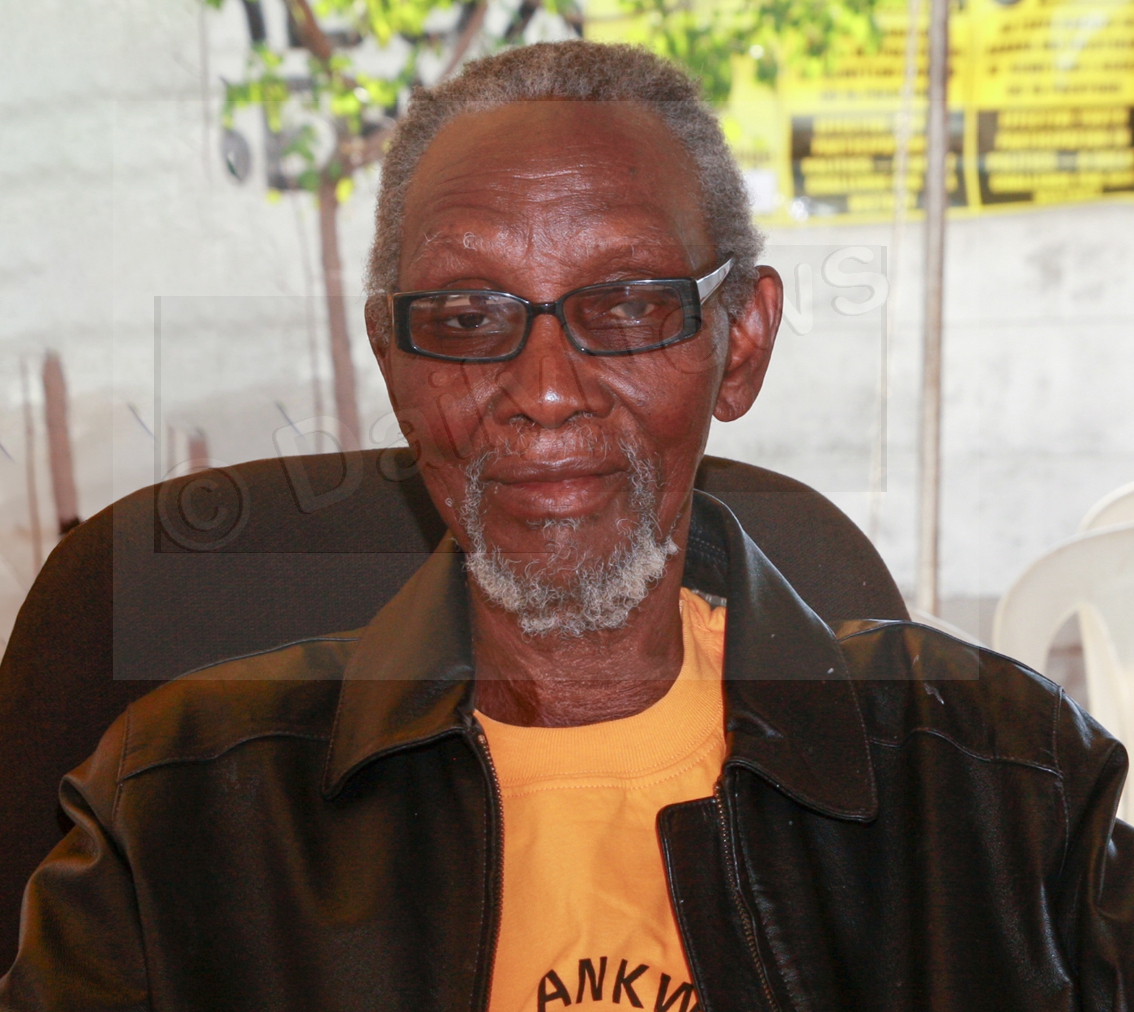
According to the current leader of the BPP, Mr Motlatsi Molapisi, the last man standing who witnessed both the birth of independence and the end of 58 years of the Botswana Democratic Party (BDP) rule, the BPP was not formed in 1965 as many textbooks claim. It was formed way back in 1960 by three towering figures of the nationalist struggle.
At the helm was Kgalemang Motsete, a gifted writer and composer who gave Botswana its soul through the national anthem Fatshe Leno La Rona.
He was deputised by the fiery orator, Phillip Matante, while the secretary general was Motsamai Mpho, who would later break away to form the Botswana Independence Party (BIP).
After the demise of Motsete, leadership fell to Matante, a man Mr Molapisi describes as a visionary ahead of his time.
“In fact, BPP did not participate in the attainment of independence, but it was the first party to ask Britain to grant Botswana its independence,” Mr Molapisi explained.
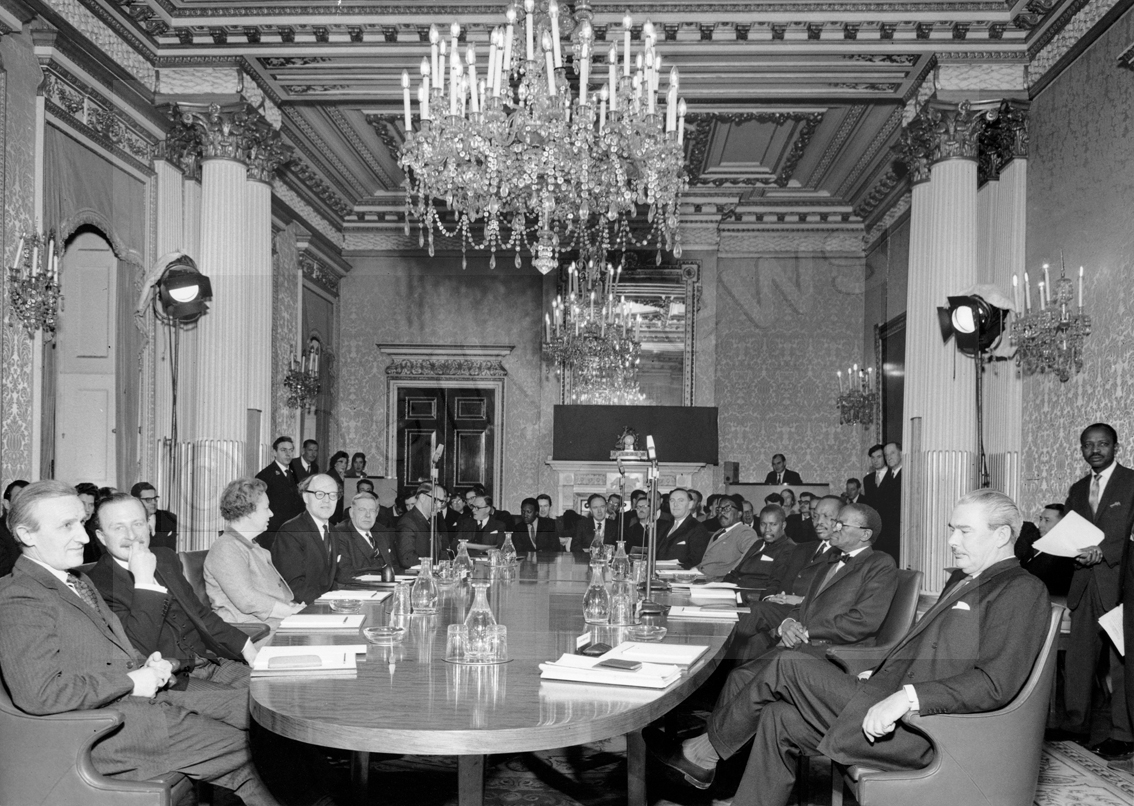
He said it was Phillip Matante who became the first Motswana to go to the United Nations to lobby Queen Elizabeth to grant Botswana self-rule.
He said the late Matante knocked on doors in London and New York at a time when many thought Bechuanaland was not ready to govern itself, arguing that Batswana were ready and ultimately, Britain agreed.
“These facts are never said, but are put in a way that BPP is just a small party, which was not instrumental in Botswana’s independence,” said Mr Molapisi, who said history had now been coined.
Yet history shows otherwise. When the first pre-independence general elections were held in 1965, BPP, then under Matante, won the Francistown constituency, becoming the official opposition.
Matante would go on to be Leader of the Opposition in Parliament from 1965 to 1979, a fearless voice for the common man, until he lost the seat to Patrick Balopi of the BDP.
Mr Molapisi claims the loss had its own story. “Mr Balopi took advantage of winning the constituency because Matante was hospitalised at Jubilee Hospital and could not fully campaign to retain his seat,” he said.
For 58 years, BPP remained in opposition, watching from the sidelines as the BDP ruled. Molapisi explained that BPP was branded a small northern party, but it never died. And in 2024, history came full circle.
“As a key partner in the Umbrella for Democratic Change (UDC) coalition, BPP finally returned to government, ending the BDP’s long reign. “We now pride ourselves with five Members of Parliament, all ministers and about 42 councillors across the country,” he said. Mr Molapisi, therefore, is more than a party president. He is a bridge. He saw the beginning, endured the middle, and witnessed the end of an era.
For Mr Molapisi, leading the BPP today is more than politics as it is custodianship of history. He carries the mantle of Phillip Matante into a Botswana that is now 60, a Botswana that is looking to re-examine the Constitution and is seeking to build a second republic that is more inclusive. Sharing a historical perspective, former journalist, Mr Kabo Garechaba, said the BPP emerged as the primary political catalyst in Bechuanaland following its founding in 1960.
He said its radical leftist and Pan-Africanist platform deeply unsettled colonial authorities. He said at the time, British intelligence heavily monitored the Southern African sub-region to protect colonial interests. Because white colonial administrators and the domestic business community feared the BPP’s radical nationalistic politics, a strategic counterweight became necessary.
“Historical events strongly suggest that colonial elements, including figures within the London Missionary Society (LMS) and the white business community may have actively favoured and facilitated the creation of the Bechuanaland Democratic Party (BDP) specifically to neutralise the BPP’s radical momentum,” Mr Garechaba shared.
“The founding president, Sir Seretse Khama, became the ideal leading figure because his pragmatism and moderate narrative offered stability without alarming the colonial establishment,” he said.
Mr Garechaba said Matante was embedded in global socialist and Pan-African networks, maintaining direct ties with Kwame Nkrumah of Ghana. “Nkrumah actively supported the BPP, even sponsoring vehicles that served the broader liberation struggle to dislodge British colonial rule from Bechuanaland and counter the Apartheid regime in South Africa. However, this Pan-African axis placed the BPP directly in the crosshairs of global superpowers,” he said.
He said the Apartheid government had successfully branded the ANC a terrorist organisation, and the United States was deeply hostile toward Nkrumah’s socialist leanings.
He explained that operating at the height of the Cold War, Matante and the BPP became high-priority targets for British and American intelligence. “Pan-Africanism and socialism were viewed as existential threats to Western free-market hegemony, making the BPP geopolitical collateral damage in a much larger global ideological war,” he said.
On ideological dilution and the path to the new government, Mr Garechaba said the remarkable survival of the BPP, culminating in its inclusion in Botswana’s current government, is a story of long-term ideological adaptation.
He said over the decades, the collapse of the Soviet Union and the end of the Cold War fundamentally altered global politics while the rigid ideological divide dissolved, forcing radical Pan-Africanist and socialist movements across the continent to neutralise their rhetoric into general, pragmatic politics.
“Today, even if parties retain socialist identities, they must govern within nations deeply integrated into global free-market capitalism.
By adapting to this shifting landscape and participating in strategic opposition coalitions, the BPP preserved its institutional survival, transitioning from a historical liberation movement into a key player in Botswana’s modern governance,” he added.
What better time than at 60 to remember that independence was not handed to Batswana, but fought for? And that the first to fight for it was BPP.
Before there was a republic, there was a demand. Before there was a flag, there was an anthem. And before there was a government, there were three men Motsete, Matante and Mpho, who said, “Fatshe leno la rona.” ends
Source : BOPA
Author : Thamani Shabani
Location : Francistown
Event : Feature
Date : 06 Oct 2026
Related News
30 Sep 2026