


Official Warns Of Terrorism Financing
17 Aug 2026
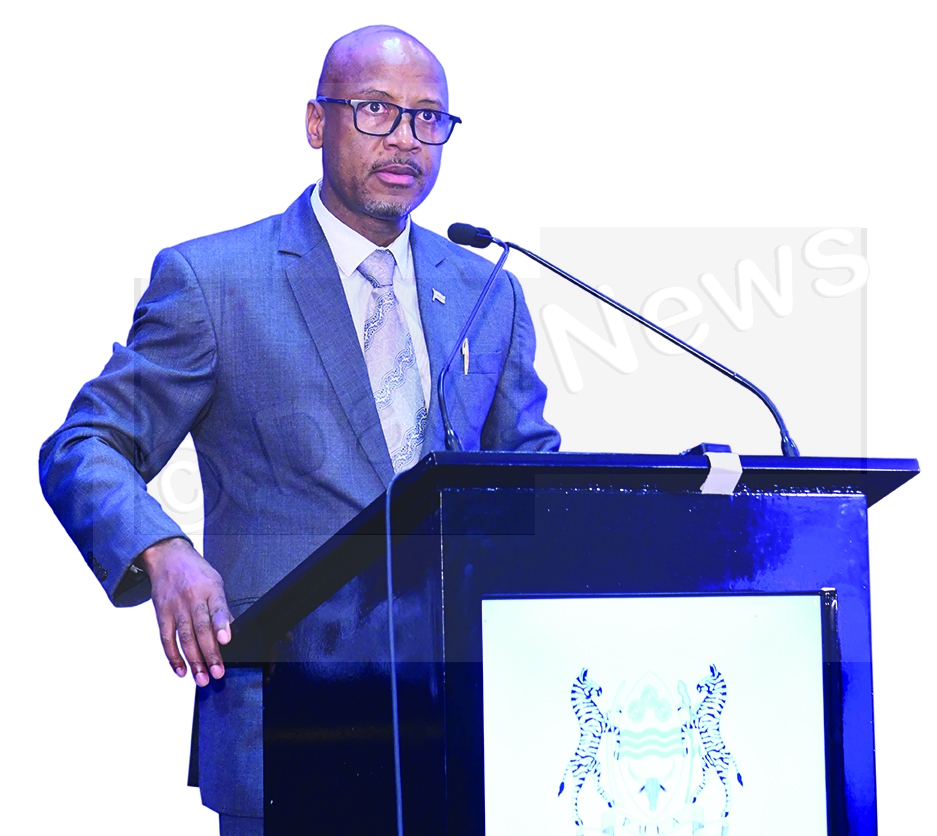
The absence of evidence of terrorism financing or proliferation financing does not mean that the risks do not exist, Ministry of Trade and Entrepreneurship Permanent Secretary, Mr Joel Ramaphoi, has warned.
Speaking during the launch of the Sectoral Risk Assessment Report for Development Finance
Institutions (DFIs) by the Financial Intelligence Agency (FIA) in Gaborone on Friday, Mr Ramaphoi said the risk was unavoidable, particularly in the financial sector, and called for vigilance, collaboration and accountability.
He said the fact that no specific risks had been identified did not mean that they did not exist, urging institutions to maintain that mindset as they addressed gaps identified by the assessment.
Mr Ramaphoi said the assessment provided a dynamic and interactive framework for understanding money laundering, terrorism financing and proliferation financing risks within DFIs.
He said the assessment would be updated annually and adjusted whenever necessary to ensure alignment with evolving technologies, Financial Action Task Force (FATF) guidelines and emerging threats.
The Permanent Secretary said key findings showed that DFIs were characterised by high-volume lending, often concentrated in large projects, while the financing of legal persons could obscure beneficial ownership.
He expressed concern that exposure to prominent and high-net-worth individuals increased DFIs’ susceptibility to misuse.
“Fraud and tax evasion were also noted, though largely consumed directly without evidence of laundering,” he added.
Mr Ramaphoi said the findings also pointed to governance and compliance weaknesses, including compliance functions that were not independent, limited resources and manual auditing processes that undermined timely detection.
He said staff training and integrity measures were also inconsistent.
Mr Ramaphoi urged DFIs to ensure that their manuals, policies, processes and procedures were regularly reviewed because risks evolved continuously.
“If you do a manual today, three years down the line what is covering that manual may not be relevant,” he said. Risk management, he said, must be ingrained in the daily operations of institutions and should not be undertaken simply because it was required by the regulator.
Mr Ramaphoi said leadership should not shy away from acknowledging weaknesses, but should confront them directly, strengthen systems and rebuild trust. He said the findings openly admitted shortcomings, framed the issue as a leadership responsibility and turned vulnerability into a call for reform.
“These factors point to a moderate exposure to money laundering,” he said. Furthermore, Mr Ramaphoi said the moderate rating did not mean there were no underlying risks that had yet to be exposed.
For that reason, he said, the launch of the assessment was not the end, but the beginning of a continuous journey requiring vigilance, collaboration and accountability.
Mr Ramaphoi also said Botswana would face a critical test during the FATF Mutual Evaluation in 2027, which would assess how the country had strengthened its anti-money laundering, counter-terrorism financing and counter-proliferation financing frameworks since 2017 and subsequent follow-up reports. He therefore called for a balance between risk-taking and safeguarding institutions against misuse.
Mr Ramaphoi said entrepreneurship involved risk-taking, adding that risk was not something to be feared, but something to be understood, managed and harnessed. He said organisations did not have risk on their own, but that leaders exposed them to risk through the decisions they made.
“Together we safeguard integrity. Together we support sustainable growth, and together we can advance the Botswana Suspicion Agenda,” he added. ENDS
Source : BOPA
Author : Lorato Gaofise
Location : GABORONE
Event : launch of the Sectoral Risk Assessment Report
Date : 17 Aug 2026
Related News
06 Oct 2026

06 Oct 2026
Access to sign language critical
06 Oct 2026
Boko hails Royal visit


06 Oct 2026