


Tighten Financial Controls
17 Aug 2026
Development Finance Institutions (DFIs) have been urged to strengthen their anti-money laundering , counter-terrorist financing and counter-proliferation financing controls as Botswana prepares for a critical mutual evaluation of its financial crime controls.
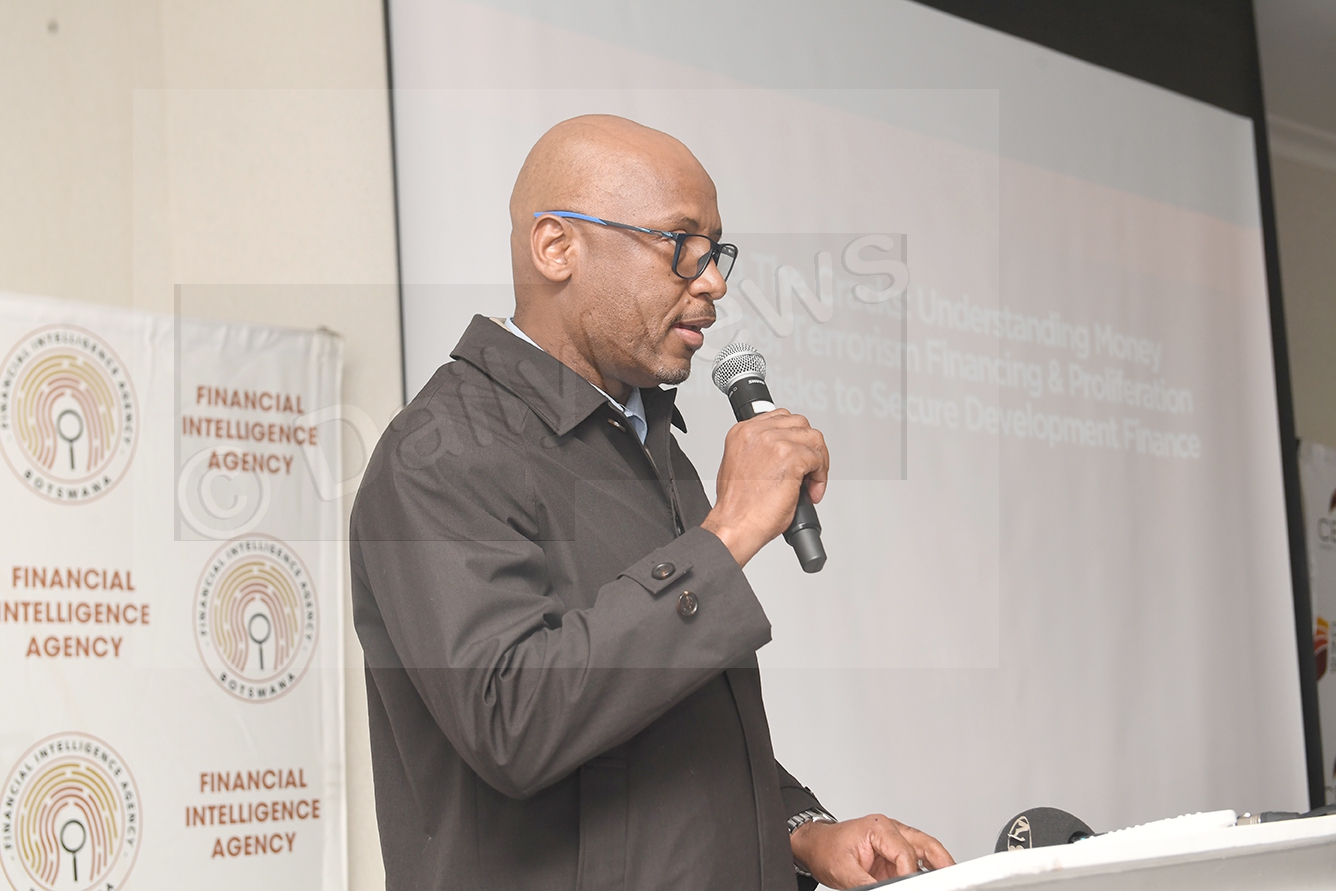
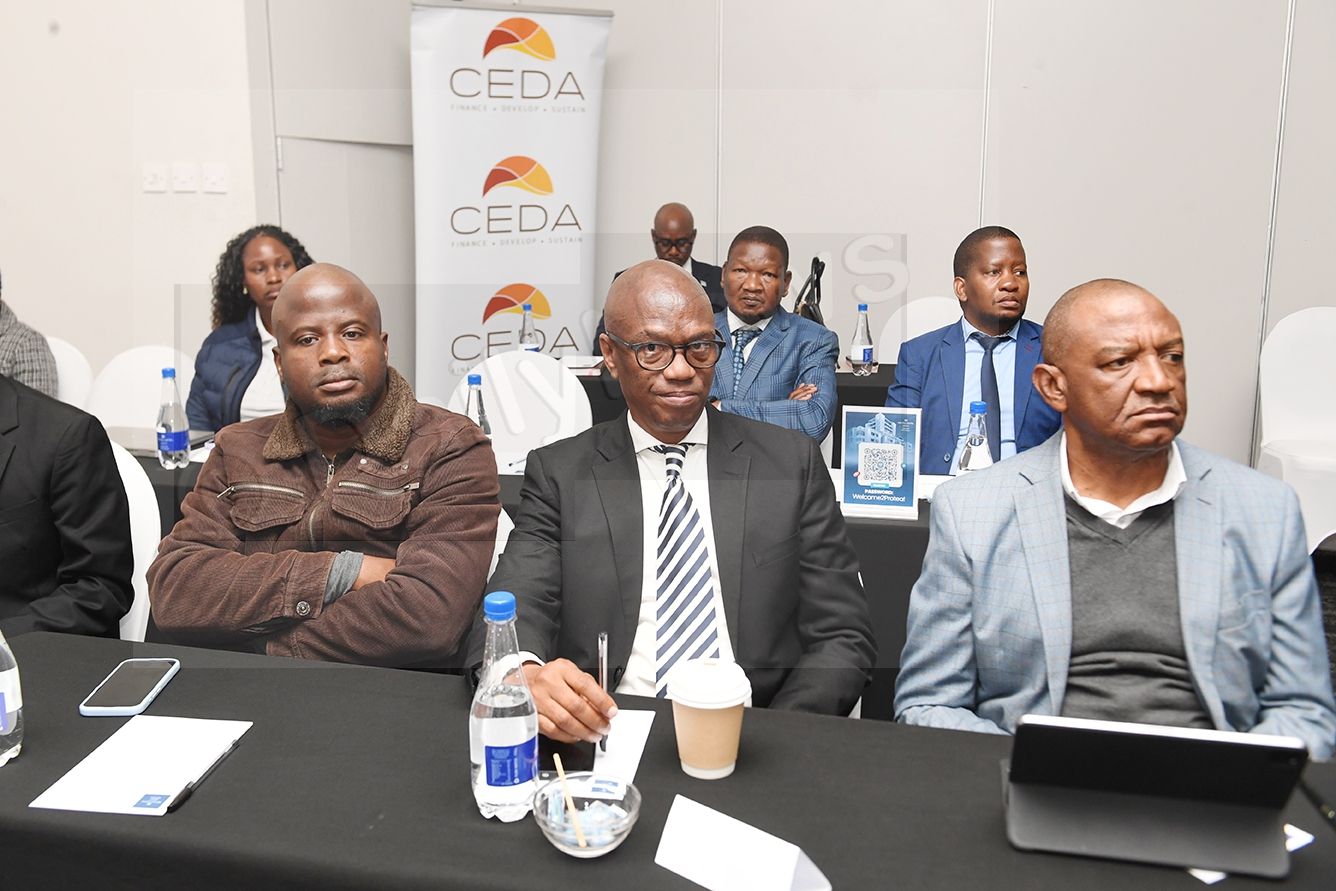
Speaking during the launch of the Sectoral Risk Assessment (SRA) Report for DFIs by the Financial Intelligence Agency (FIA) in Gaborone on Friday, Citizen Entrepreneurship Development Agency (CEDA) caretaker chief executive officer, Mr Khalala Mokefane, said DFIs should treat the Money Laundering, Terrorist Financing and Proliferation Financing Risk Assessment as a call to action rather than merely a reference document.
Mr Mokefane said every DFI should regard itself as a risk manager, with responsibility extending beyond compliance officers and internal audit.
He said boards of directors, chief executive officers, credit teams, procurement, project managers, finance, information and communications technology and frontline staff all had a role to play in identifying, managing, escalating and documenting risks.
“The SRA must not become a compliance document that ends with a launch. It must become a management tool that changes how we work,” he said.
Mr Mokefane said DFIs were custodians of millions of pula in public capital and development finance and funded businesses, projects, suppliers and communities, thereby creating exposure to money laundering and other financial crimes.
“If criminal networks want to hide, move or legitimise funds, they look for systems with weak controls, inconsistent due diligence, and gaps between policy and practice. And our sector can never be that point of entry,” he said.
He urged DFIs to interrogate the assessment findings and translate them into clear improvement plans that were prioritised, costed, assigned to responsible officials and monitored by boards.
Mr Mokefane also called for a stronger risk-based approach, including consistent customer risk assessments, credible understanding of beneficial ownership, appropriate handling of politically exposed persons and enhanced due diligence where risks demanded it.
He said the upcoming Financial Action Task Force (FATF) Mutual Evaluation in 2027 should not be viewed as an event, but as a test of whether controls were properly designed, implemented, effective and sustainable.
“We cannot afford to repeat this chapter,” he stressed, recalling the consequences of heightened international scrutiny, including correspondent banking relationships, investor confidence, transaction delays and increased costs of doing business.
Mr Mokefane said CEDA had been informed by the Ministry of Finance that the institution should prepare not to receive its usual government subvention, making it necessary for CEDA to look beyond government funding to remain financially sustainable.
He said strong anti-money laundering, counter-terrorist financing and counter-proliferation financing governance measures were therefore critical to building trust and ensuring that CEDA remained compliant with the requirements of the Financial Intelligence Agency Act.
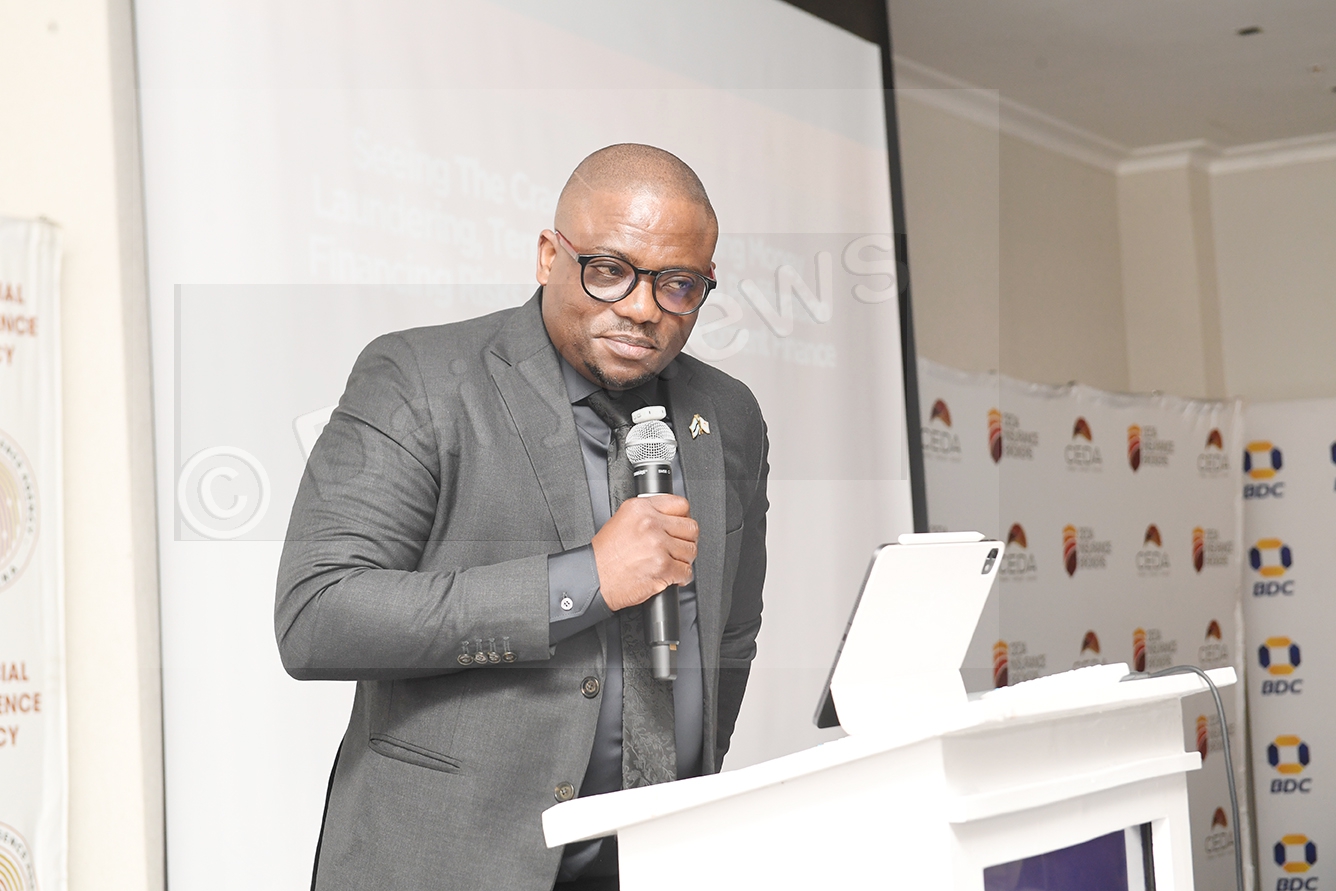
Meanwhile, Botswana Development Corporation (BDC) chief risk officer, Mr Botshelo Mokotedi, said BDC welcomed the assessment as an opportunity to develop a mitigation plan addressing the risks and gaps identified.
He reaffirmed BDC’s commitment to strengthening financial integrity and safeguarding development resources.
He said financial crime risk management must remain forward-looking, noting that DFIs occupied a distinctive position in supporting industrial development, economic diversification and employment creation.
Mr Mokotedi said BDC’s exposure did not necessarily arise from cash transactions, but from complex ownership structures, significant transaction values and the businesses it financed.
He said verification of beneficial ownership, compliance discipline and monitoring of disbursed funds were important in managing the risks.
Mr Mokotedi said BDC had identified areas requiring further strengthening, including the positioning of the compliance function, beneficial ownership analysis, enhanced due diligence, and country and jurisdiction risk.
He said monitoring should continue throughout the financing life cycle, including the use of funds, material changes in ownership structures and third-party payments.
Mr Mokotedi said BDC would also progressively enhance automation, data and data analytics to become more timely, consistent and responsive while improving its risk profile.
He called for greater collaboration among DFIs, security and law enforcement agencies and other institutions, saying the assessment was “the beginning” of a process to develop a mitigation response to the identified risks.
He said financial integrity and development finance integrity were important in strengthening the confidence of government, funders and partners in Botswana’s development finance institutions. ENDS
Source : BOPA
Author : Lorato Gaofise
Location : GABORONE
Event : launch of the Sectoral Risk Assessment
Date : 17 Aug 2026
Related News

06 Oct 2026

06 Oct 2026
Access to sign language critical

06 Oct 2026
Boko hails Royal visit


06 Oct 2026