Botswana not in debt crisis - Gaolathe
13 Aug 2026
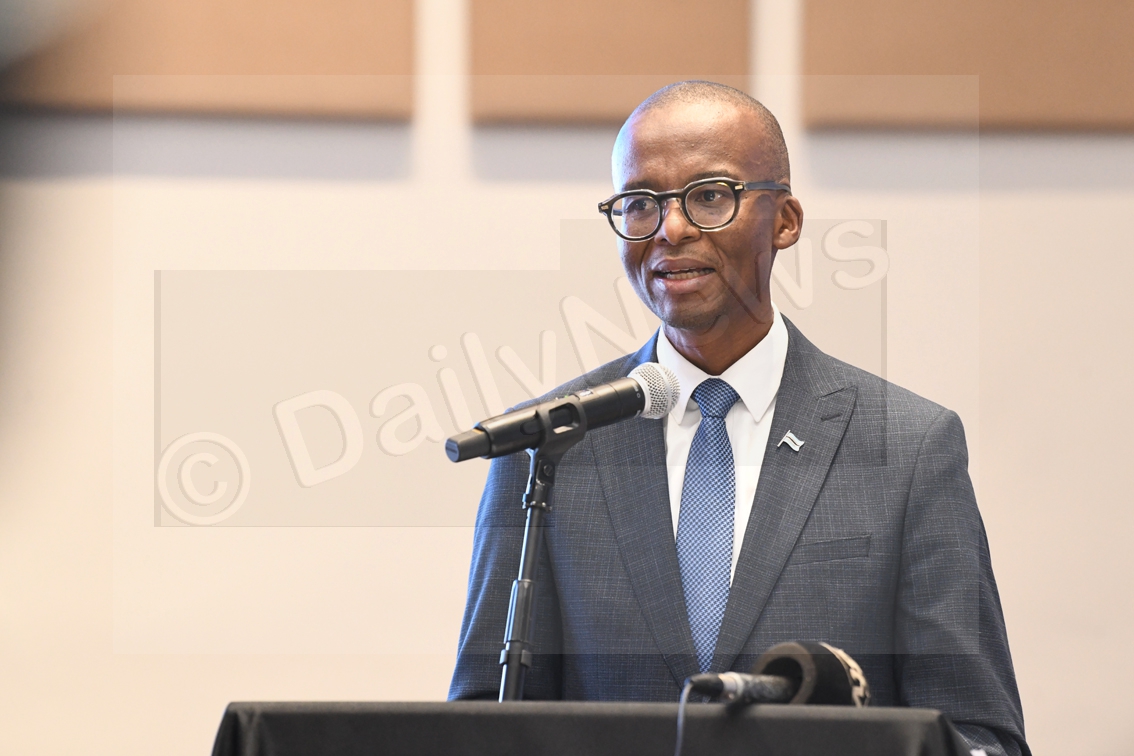
Botswana is not in a debt crisis as its debt-to-Gross Domestic Product (GDP) ratio was the fourth lowest in Sub-Saharan Africa, using the end of 2025 data.
Answering a question in Parliament on Wednesday, the Minister of Finance, also the Vice President Mr Ndaba Gaolathe said Botswana was also well below the average and the median in Sub-Saharan Africa, recalling that several countries were in debt-to-GDP ratio higher than 100 per cent.
“When comparing with its rating peers in the region, Botswana debt-to-GDP remains significantly lower than its peers,” he said.
Mr Gaolathe said government does not underestimate the seriousness of the current fiscal position or the pace at which, public debt has increased as the debt-to-GDP ratio has increased from 19.7 per cent in 2022/2023 to 33 per cent in 2025/2027.
He explained that the increase had been driven largely by domestic borrowing, as government revenues declined while financing requirements increased.
Mr Gaolathe said domestic debt doubled over this period, increasing from P27.2 billion to P56.06 billion, while external debt also increased from P16.4 billion in 2022/23 to P27.88 billion in 2025/26.
This, he said, largely reflected the disbursement of budget support loans from multilateral development partners including the African Development Bank and the OPEC fund.
He said that the statutory debt ceiling was increased from 40 per cent to 60 per cent of GDP in March 2026 to create additional fiscal space for government’s financing requirements.
The minister reasoned that 60 per cent ceiling should not be interpreted as a target towards which, government intended to borrow.
Therefore, he said the objective remained to manage the pace, cost and composition of borrowing prudently while pursuing fiscal consolidation.
Mr Gaolathe also said government would continue to borrow for as long as financing requirements made it necessary, but noted however that the objective was to progressively reduce the extent to which, government depended on borrowing to finance persistent fiscal deficits.
He stressed it was important to distinguish between borrowing for self and unsustainable dependence on borrowing.
“Responsible sovereign borrowing, particularly for productive infrastructure and investments capable of generating economic and social returns, is a normal instrument of public finance.
What must change is a situation in which, persistent fiscal deficits create increasing structural dependence on debt, including to meet recurrent obligations,” he said.
In that regard, he said government’s objective was to therefore progressively narrow the fiscal deficit, moderate the annual borrowing requirement, stabilise the debt-to-GDP ratio and ultimately place the public debt burden on a sustainable trajectory.
Mr Gaolathe also explained that government fiscal consolidation was already underway as since August 2025, government had implemented a series of cost containment measures.
He said the centralisation of Government Purchase Orders (GPOs) reduced from 231 369, valued at P8 billion by February 2026, representing a P3 billion or 27 per cent reduction in spending commitments.
The expenditure cuts included overtime reduction from P781.1million in financial year 2024/25 to P675.4million in 2025/26 financial year, while travel expenses also declined from P717 million to P251 million or 35 per cent in savings.
He said the expenditure cut demonstrated commitment controls and discipline over recurrent expenditure.
Mr Gaolathe also explained that government was simultaneously strengthening domestic revenue mobilisation, revenue administration and measures to broaden the economic and revenue base.
In that regard, he said, government was also digitising revenue collection to improve cash handling and reconciliation, with the said measures targeted for completion during 2026/27.
Mr Gaolathe said employment creation and fiscal consolidation would take time, adding that there were measurable indicators against which, progress could be assessed. He said that the near-term outlook (2027-2028) was being assessed in light of heightened external risks that included structural challenges in the diamond sector, which resulted in government cash flows constraints, geopolitical uncertainties and the Foot and Mouth Disease (FMD) among others.
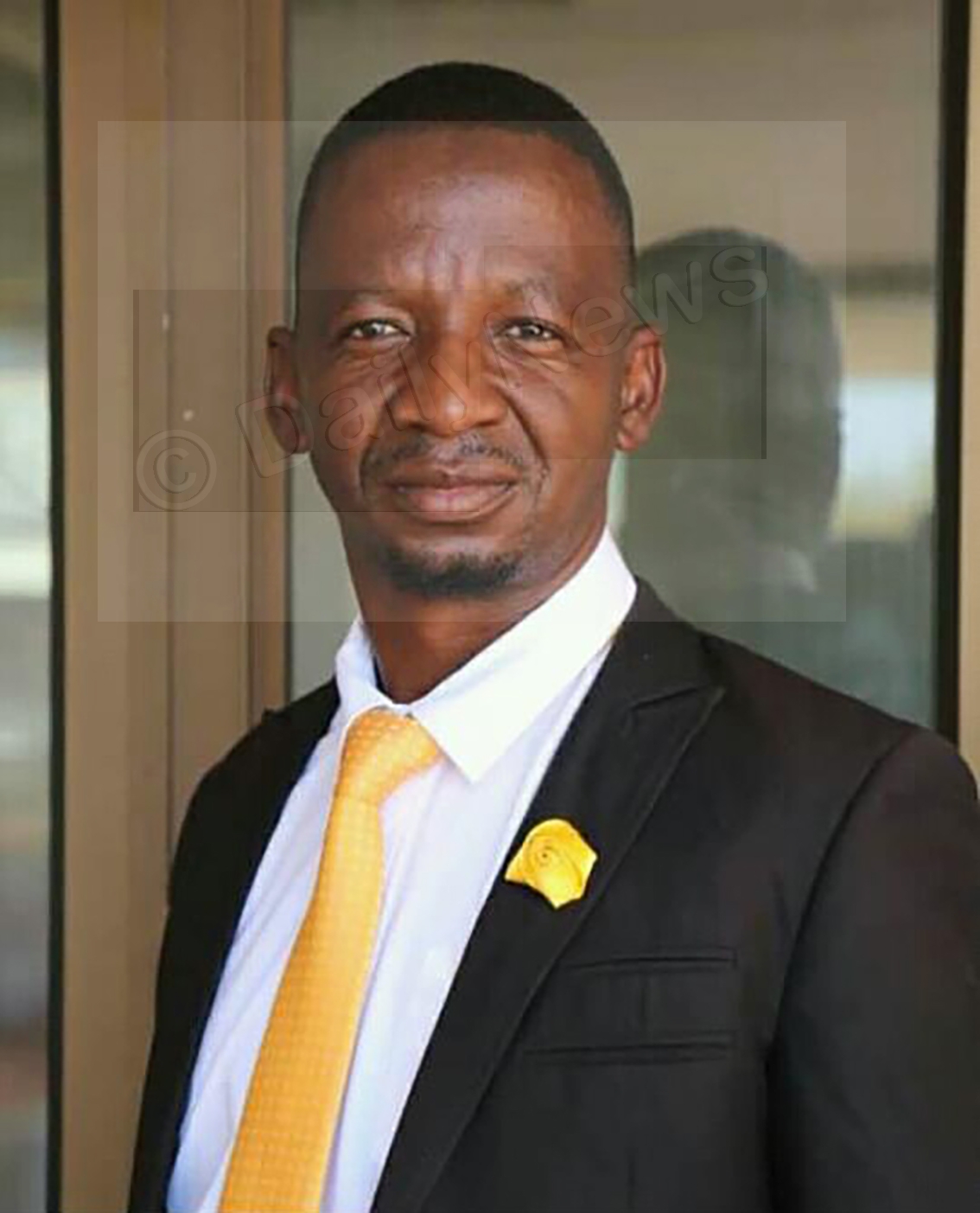
Mr Gaolathe was responding to a question from Serowe West MP, Mr Onalepelo Kedikilwe, who wanted the minister to appraise Parliament on the state of government finances and the state of national debt.
He also asked how long government would continue borrowing to fund national operations and development, given the current fiscal constraints.
Mr Kedikilwe further asked about the specific short-term and long-term strategies, structural reforms and actionable plans by the ministry to implement in order to exit the current debt crisis and restore fiscal sustainability.
He also wanted to know the realistic projections and timelines as to when the nation could expect tangible improvements in economic growth and job creation while concurrently reducing the national debt burden. ends
Source : BOPA
Author : BOPA
Location : Gaborone
Event : Parliament
Date : 13 Aug 2026
Related News

13 Aug 2026

12 Aug 2026