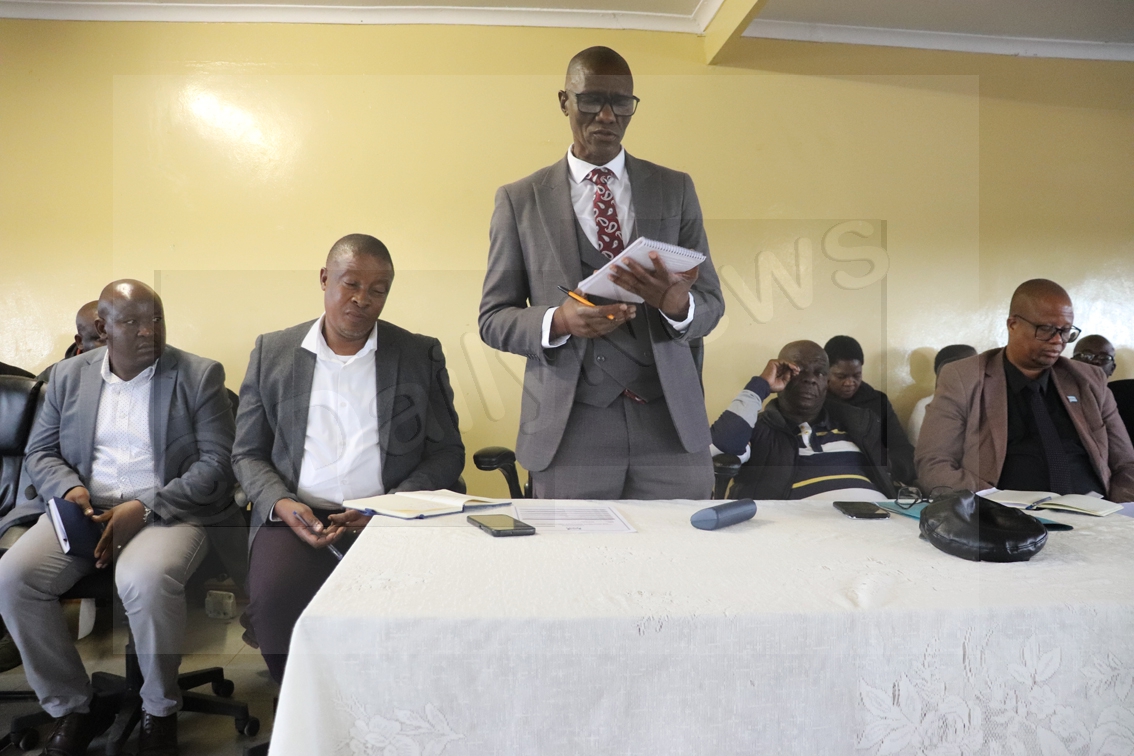
Okavango councillors demand WUC report
27 Feb 2014
Okavango sub-district councilors have maintained their request to the Water Utilities Corporation (WUC) that they be provided with a report concerning the results of water sampled in the area.
Speaking at the sub-council meeting on February 26, Gumare South councillor, Mr Letshabamang Morulaganyi said WUC officers did not respond to the problem because the council wanted to be briefed on the current status of water within the area as they suspect that there is a poor filtration process.
“The issue is a concern, because even an ordinary person like me can see with his/her naked eye that the water has changed colour, therefore, we want to know if this visible contamination is not harmful to the community,” he asked.
Seronga Cllr, Saogho Kotongwa explained that they communicated with WUC last year November, therefore, the sub-council expected the results from the corporation.
The Sepopa/Ikoga Cllr, Botshelo Mapa said since WUC took over, the water had changed colour and urged WUC officers to clean storage tanks as it was the case with the then council Water Unit.
Cllr Mpoke Karapo of Gumare-Tubu said it was unfortunate that they were told by high ranking officers that they do not know the amount of chlorine to be added to the water as well as sizes of pipes within the distribution network.
Meanwhile, the sub-council resolved to ask the WUC general manager to come and address them as the junior officers were failing to come with proper answers.
Earlier on, WUC Waterworks Superintendent, Mr Nelson Morotsi briefed the session on water quality compliance failure at some supply areas, saying it was true that some supply areas failed to comply with microbiological compliance levels during the months of January and February this year.
Furthermore, he said disinfection of water was a complex undertaking as it was dependent on the quality of water, the volume of the body of water disinfected, the depletion time of the chlorine compound and the strength of chlorine chemical that was used.
He said striking the correct balance of disinfection in Okavango is further complicated by the long water supply interconnections and undocumented pipe sizes within the distribution network.
With regards to the latter, he said the corporation was identifying and mapping the reticulation to appreciate pipe sizes and lengths.
“Where there are interconnections and intermediate reservoirs within the various villages, further disinfection usually done with chlorine floats to improve the water quality at the villages’ furthest points,” he said.
He stated that the corporation was also embarking on a project to replace chlorine gas and chlorine compounds currently used with chlorine dioxide, which can last longer in water.
Mr Morotsi said this would ensure prolonged disinfection, adding that the project will be rolled out to treatment facilities in Ngamiland, while new treatment facilities will all be designed to facilitate dosing with chloride. ENDS
Source : BOPA
Author : Rebecca Katjimune
Location : GUMARE
Event : Full council meeting
Date : 27 Feb 2014
Related News

08 May 2026
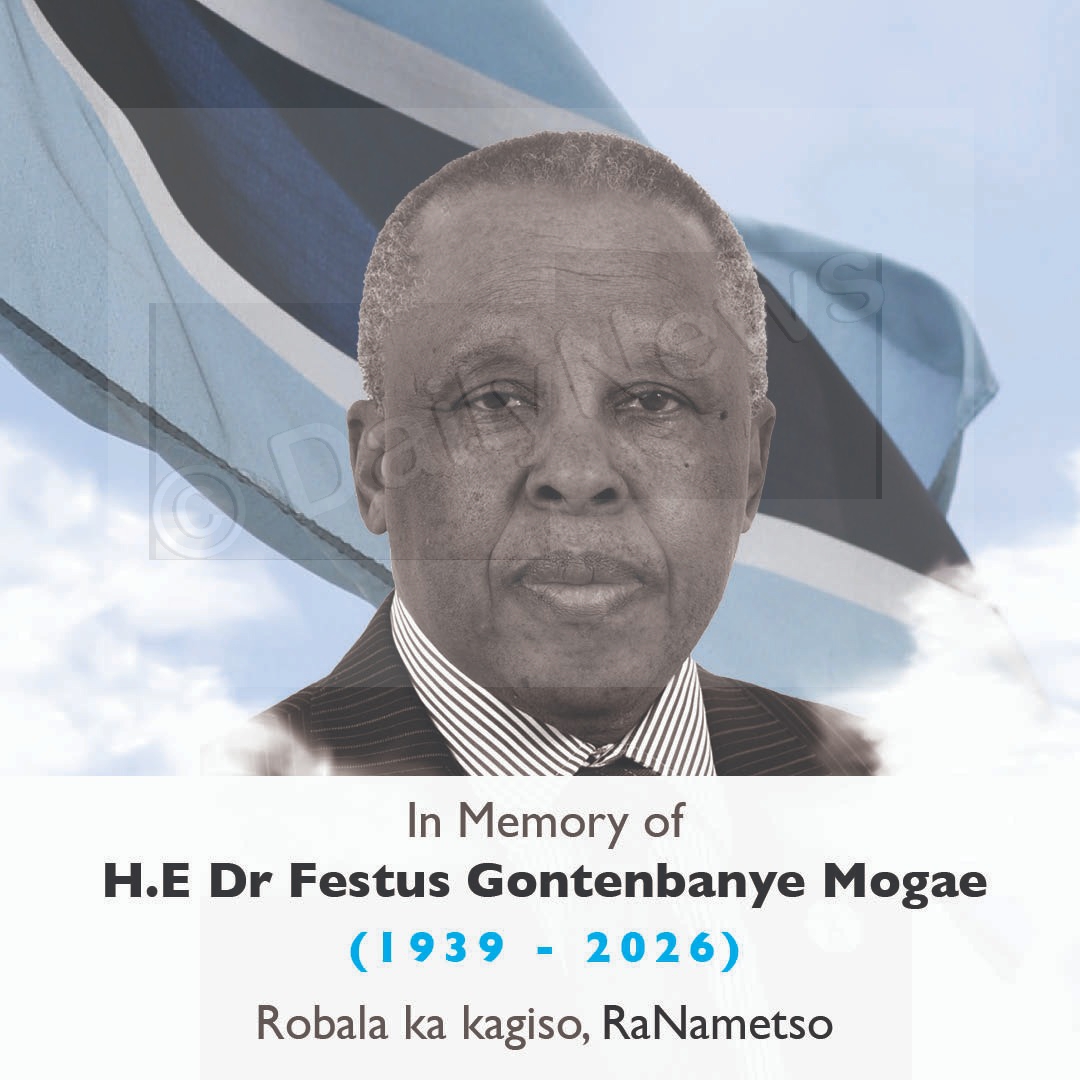
MOGAE RESTS

07 May 2026
Kagame wraps visit with DTCB tour
07 May 2026
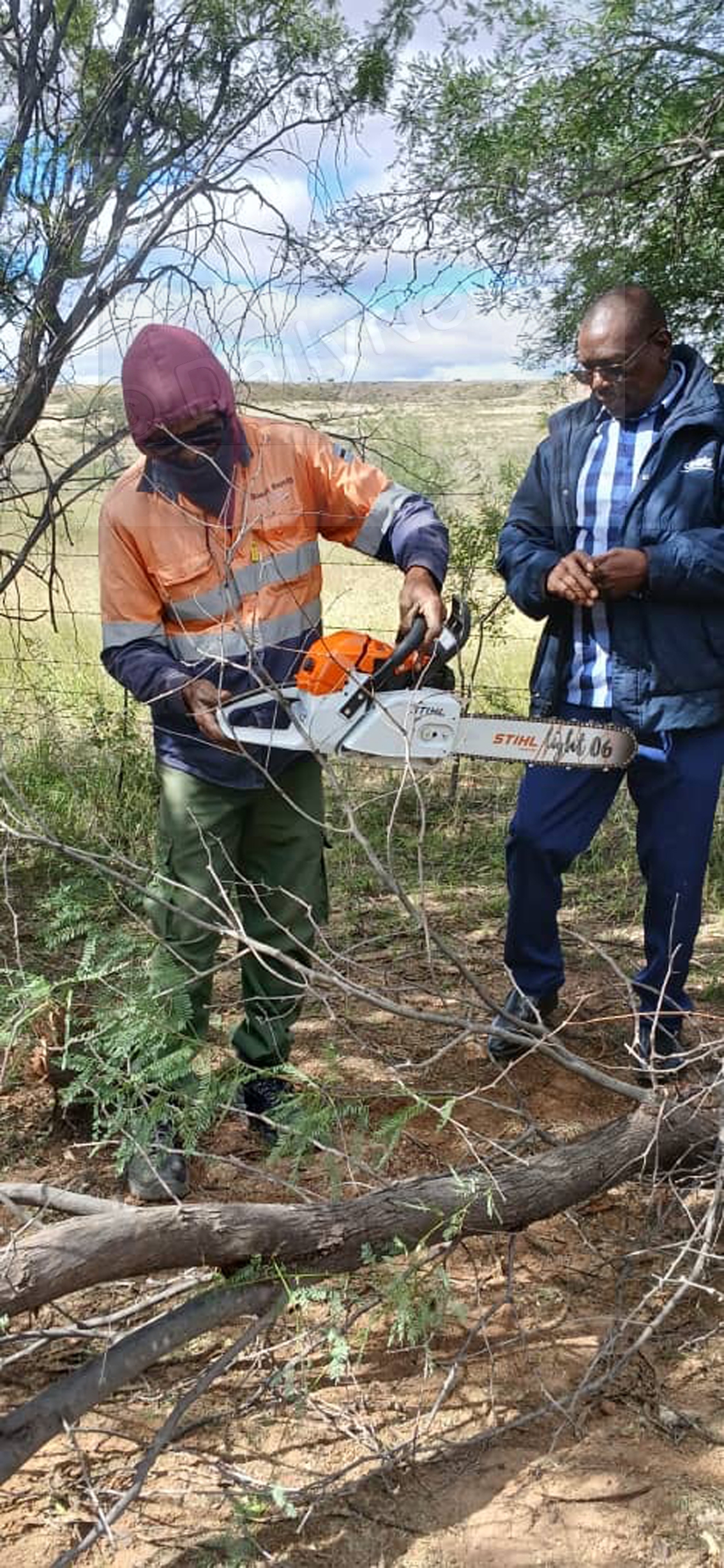
BURS donates nine chain saws
07 May 2026