


Mabe nurtures future generation of farmers
09 Jul 2026
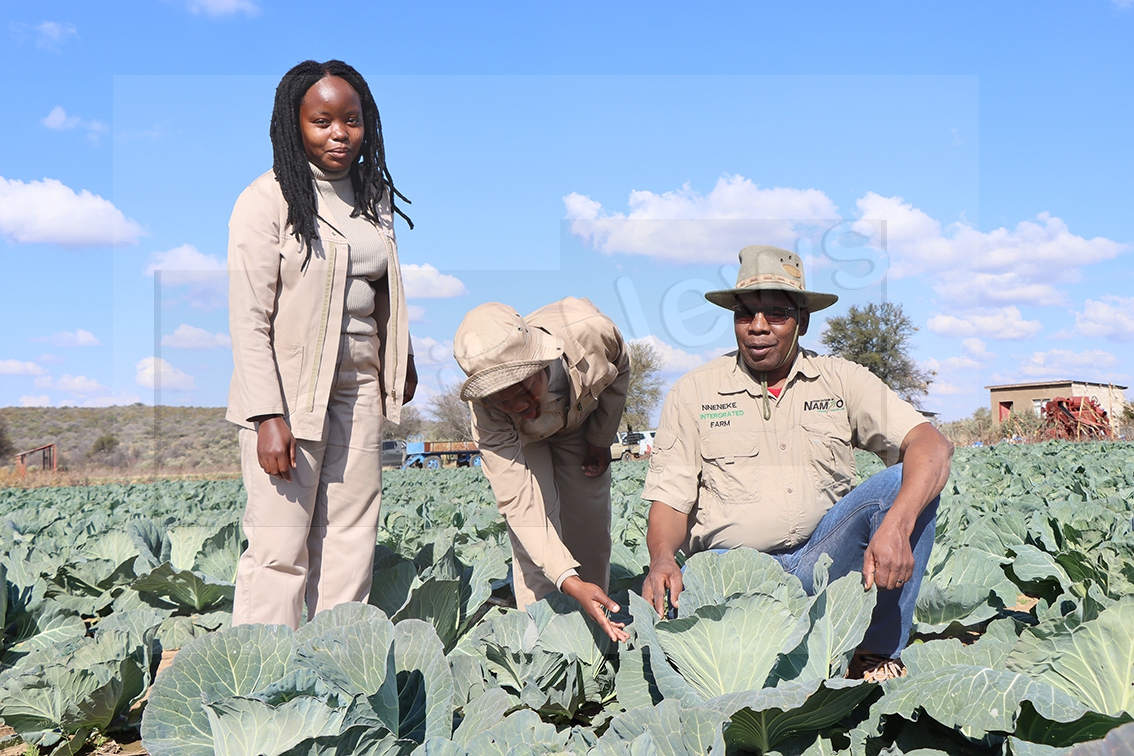
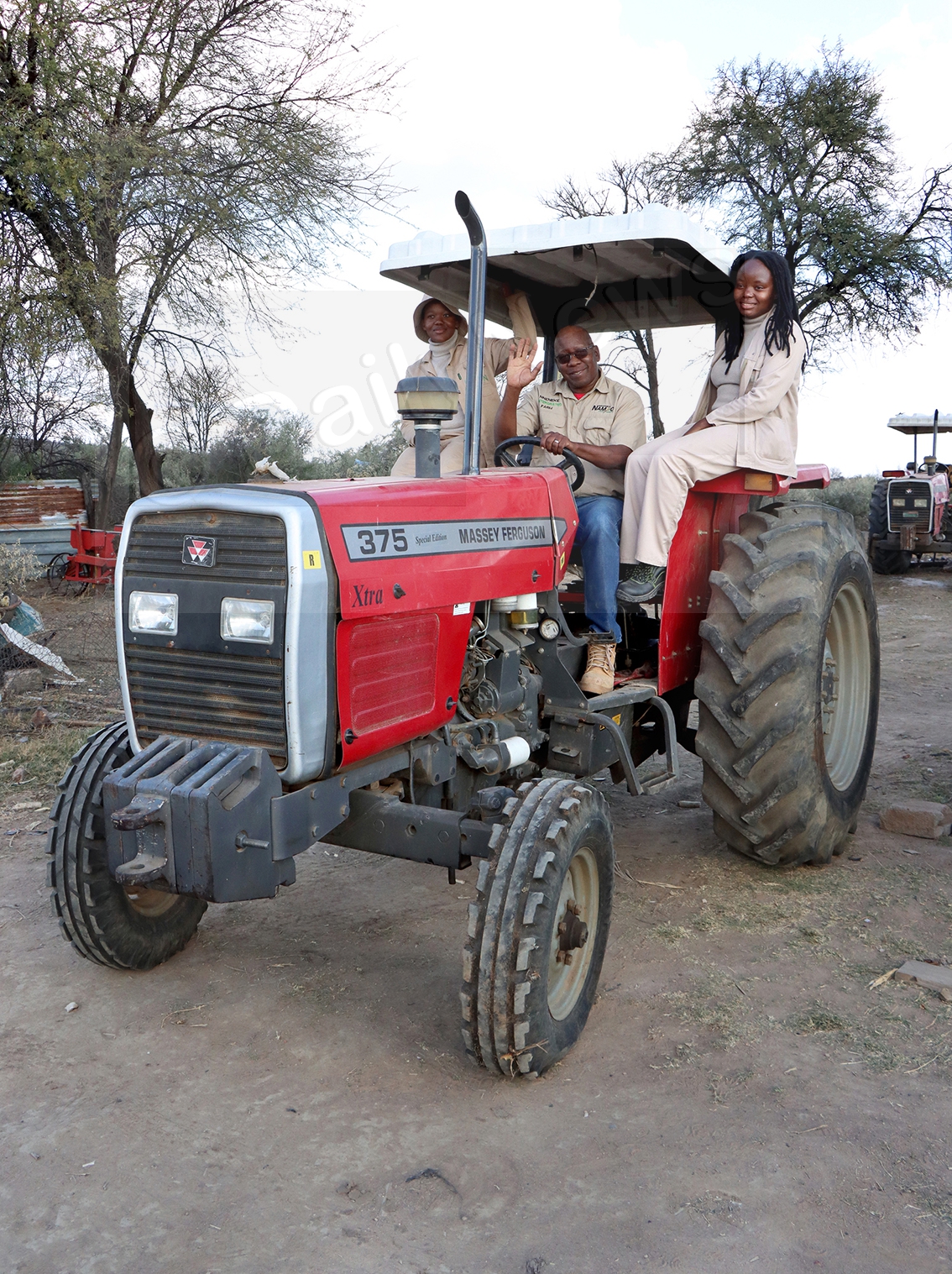
In the sun-baked soils of Nneneke, Gamonnedi, just outside Kanye, 58-year-old Tlhomamisang Mabe tends a thriving 17-hectare integrated farm that quietly defies the odds.
While many of his generation have swapped the unpredictable rhythms of the land for the promise of city life, Mr Mabe has transformed his fields into a ‘living’ classroom’.
His property is one of only 14 farms in the area that have forged a strategic partnership with the Botswana University of Agriculture and Natural Resources (BUAN).
Here, aspiring young farmers do not just absorb theory from textbooks. They roll up their sleeves for six weeks of hands-on placement, gaining real enterprise-based experience. This training prepares them to launch and run successful agricultural businesses, allowing them to step confidently into any role the industry demands.
Mr Mabe, who retired in 2024, began his farming journey in 2013 with weekend visits while still employed.
Today, his fully equipped operation features three solar-powered boreholes, three hectares under plough, a quarter-hectare shade net, a climate-controlled tunnel for tomato production to beat the harsh winter chill, and a solid shelter for pig production.
“This internship programme is a huge part of my Corporate Social Investment. It equips young people with practical skills and gives them the chance to shadow real working models. Unemployment is rising, and I believe we can create more opportunities through mutual learning. The students also bring fresh knowledge that helps us build more sustainable farms,” he says.
Mr Mabe speaks passionately about the broader challenges facing Botswana’s farmers among others soaring input costs, low profits, and the urgent need to diversify the economy beyond diamonds. Yet his optimism remains unshaken.
He praises government support where it exists and calls for smarter interventions, such as subsidies on fuel and fertilisers.
He also advocates for timely updates to prices under the school feeding programme, which has not adjusted for inflation in over three years. To beat the extreme winter cold that once caused heavy losses, Mr Mabe has become strategic and now focuses on resilient crops like cabbage, onions, and tomatoes.
Through the BUAN placement, students witness these adaptations first-hand. They study infrastructure for temperature control, precise soil and bed management, crop-specific techniques, humidity regulation, and disease control.
From BUAN’s side, Industrial Attachment Programme Coordinator, Dr Kgomotso Mabusa describes the Kanye partnership as a milestone. Launched with support from the Kanye Farmers Association, the programme stepped in where university budgets fell short, particularly regarding student accommodation.
The selected farms provide proper housing, turning what could have been a logistical hurdle into an immersive, life-changing experience. “We admit six weeks is not enough and we are working to extend the duration for deeper, uninterrupted learning,” Dr Mabusa said said adding that the programme deliberately pairs students from diverse disciplines namely; horticulture, animal husbandry, agricultural economics, and engineering with farms so both sides can learn from each other. While financial constraints remain the biggest obstacle to scaling, the mutual benefits are already clear. In some cases, students are even placed on struggling farms to help diagnose operational problems and improve productivity.
The Chairman of the Kanye District Horticulture Farmers Association, Mr Aubrey Rowland traces the initiative to an eye-opening trip to Bangladesh with the Office of the President. There, interactions with professors highlighted the power of experiential learning.
Upon return, the association stepped up to support the programme, seeing it as both a responsibility and an opportunity to showcase the district’s agricultural strength.
Mr Rowland notes that modern infrastructure on farms like Mabe’s is opening students’ eyes. “They see state-of-the-art buildings and systems that protect crops and reduce risks. It shows them that commercial farming is possible here in Botswana,” he said .Both farmers and BUAN hope to expand the attachment from six weeks to a full semester. This change is essential for crops like cabbage, which require 90 days of careful management from planting to harvest. They envision a lifelong partnership that strengthens clusters, associations, and cooperatives in their engagement with the government.
For second-year student Ms Marry Barayang, who is pursuing a Bachelor of Science in Agricultural Education, the six weeks have been transformative.
“University gives us mostly classroom theory,” she says. “Here, we do real practical work. I learned how to spray cabbage properly—something we weren’t taught at school, using exact measurements and timing,” she said.Ms Barayang appreciates the decent accommodation provided by host farmers, which is a far cry from sleeping in tents. She now sees farming not just as a fallback option, but as a viable and fulfilling career path. The attachment programme stands as a smart government intervention that bridges academia and industry. If nurtured and expanded, it holds genuine potential to equip a new generation with the skills and confidence to tackle unemployment while strengthening Botswana’s food security and agricultural innovation. ENDS
Source : BOPA
Author : Marvin Motlhabane
Location : Kanye
Event : Feature
Date : 09 Jul 2026
Related News


07 Oct 2026