


China firm builds beyond infrastructure
07 Jul 2026
On a dusty construction site somewhere between Botswana’s sprawling villages and growing urban centres, a young Motswana is presented with a life changing moment.
A rare opportunity, where one arrives on site as an unskilled labourer looking for any form of job to put bread on the table, only to be equipped with a skill that they never envisioned.
Across Botswana, thousands of men and women have built careers, supported their families and acquired valuable technical expertise through projects undertaken by China Civil Engineering Construction (Botswana) (Pty) Ltd (CCECC Botswana).
It is common knowledge that the company is primarily associated with infrastructural works such as roads, bridges, and waterworks supplying communities with potable water among others.
However, for decades, the company’s footprint in Botswana tells a broader story, one that is not primarily rooted on infrastructure development, as it also extends to nurturing friendship, skills transfer and community empowerment.
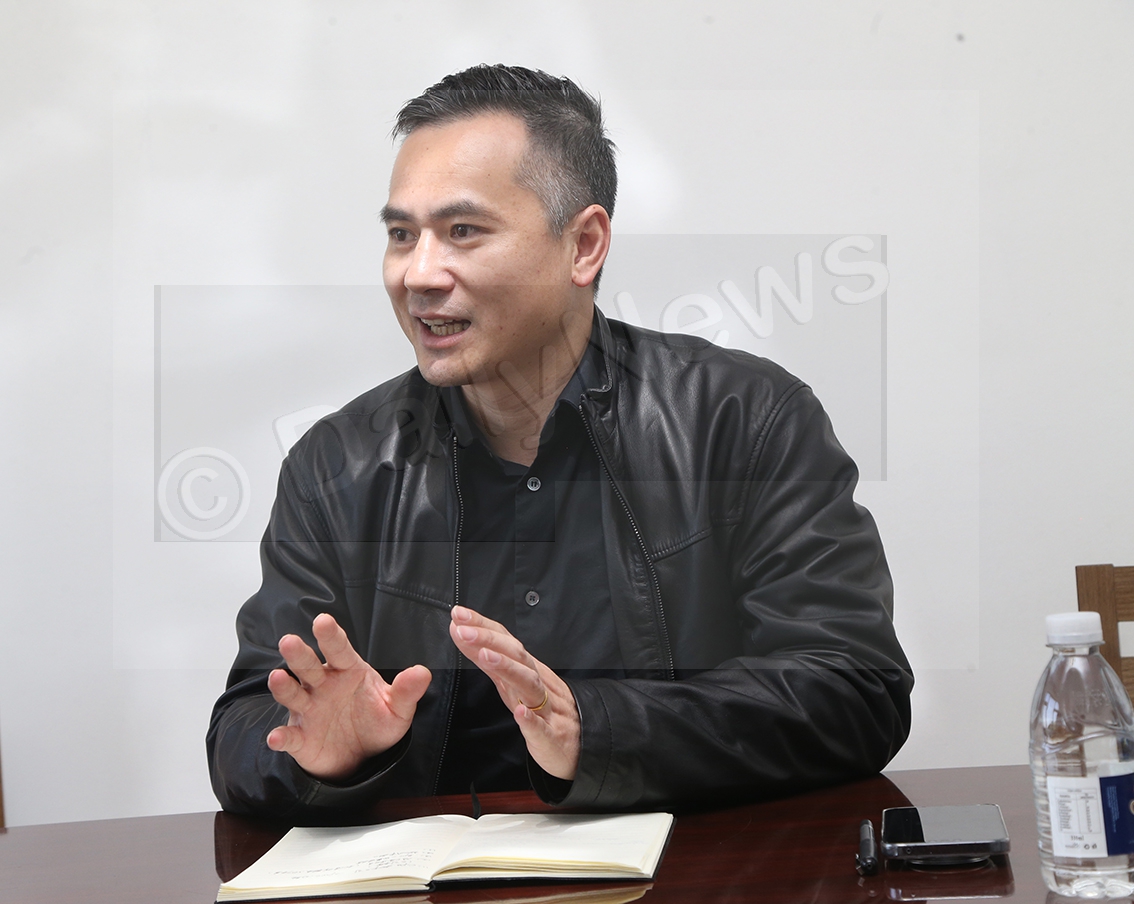
In an interview, the Managing Director of CCECC Botswana, Mr Alex Jin, said when the company first arrived in Botswana in 1985, it was predominantly focused on the country’s development priorities centred on building critical infrastructure.
He says few could have predicted then that the relationship would evolve, diverting focus into other areas of concern that will ultimately result in a lasting legacy. However, Mr Jin believes the company’s most enduring legacy cannot be measured in kilometers of road or cubic meters of concrete, but can be found in people.
“Today, approximately 90 per cent of the company’s workforce consists of Botswana citizens,” says Mr Jin.
Over the years, Mr Jin says nearly 20 000 local jobs have been created through its operations, while more than 20 000 training opportunities have equipped workers with skills in engineering, construction management, machinery operation and technical trades.
“Some employees have spent more than two decades with the company,” said Mr Jin, adding that they joined as young men and women seeking employment and have grown alongside the organisation.
He further states that in the process, they have become supervisors, technicians, managers and mentors to a new generation of workers.
For a country focused on citizen economic empowerment and skills development, such investment in human capital may prove as significant as any bridge, road or building.
As Botswana continues its development journey, the legacy of CCECC Botswana serves as a reminder that infrastructure is not only about concrete and steel. It is also about creating opportunities, transferring skills and building the capacity of people who will shape the country’s future long after construction projects have been completed.
Mr Jin says today the company forms part of a global construction enterprise whose operations span more than 110 countries and regions. Despite its international reach, Botswana remains one of its longest-standing homes on the African continent.
He says motorists travelling between Palapye and Serule, residents benefiting from improved water systems and patients receiving care in modern healthcare facilities may not realise they are interacting daily with infrastructure delivered by CCECC Botswana.
He points out that in over four decades, the company has undertaken approximately 100 major projects across the country.
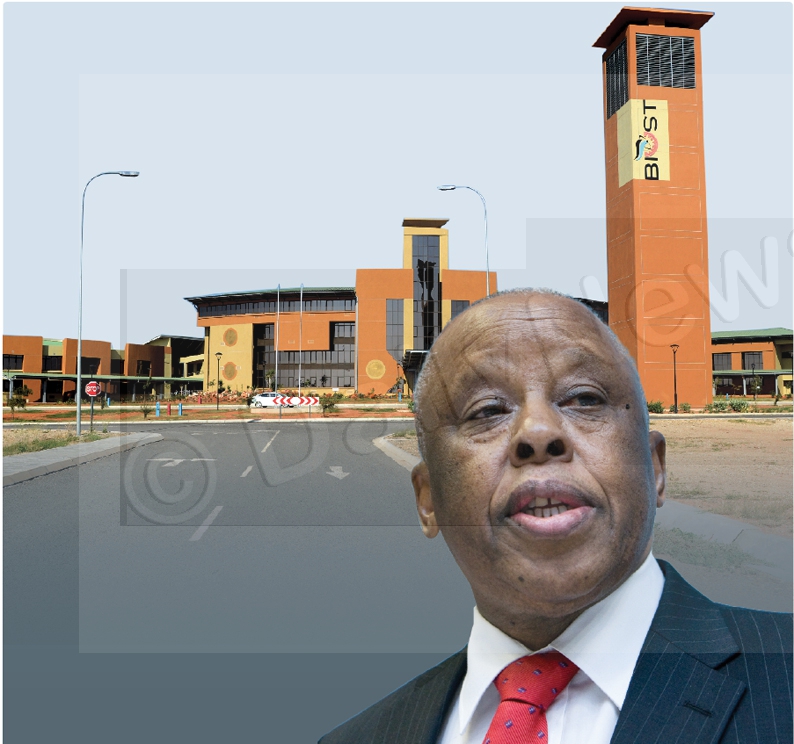
“From the Morwa-Mmapole Road and Notwane River Bridge to the Mosetse-Tutume Road and from the National Psychiatric Hospital in Lobatse to the Botswana International University of Science and Technology campus, our projects have become part of Botswana’s development story,” Mr Jin quipps.
In a semi-arid country where every drop matters, he says water infrastructure has been another defining chapter, saying projects such as the Mmamashia Water Treatment Works and Foresthill Reservoir Pipeline, water supply upgrades in Maun and the Boteti Southern and Central Cluster Villages Water Supply Project have helped strengthen access to one of Botswana’s most precious resources. Although such projects may appear as engineering achievements on paper, he says for communities they often translate into something much modest; access to clean potable water, safer roads, better healthcare and improved access to education. ends
Source : BOPA
Author : Lesedi Thatayamodimo
Location : Gaborone
Event : Interview
Date : 07 Jul 2026
Related News

07 Oct 2026