


Botswana intensifies drug fight
06 Jul 2026
Botswana is stepping up efforts to strengthen drug treatment and prevention systems as rising substance abuse among young people and growing transnational drug trafficking threaten public health and national development.
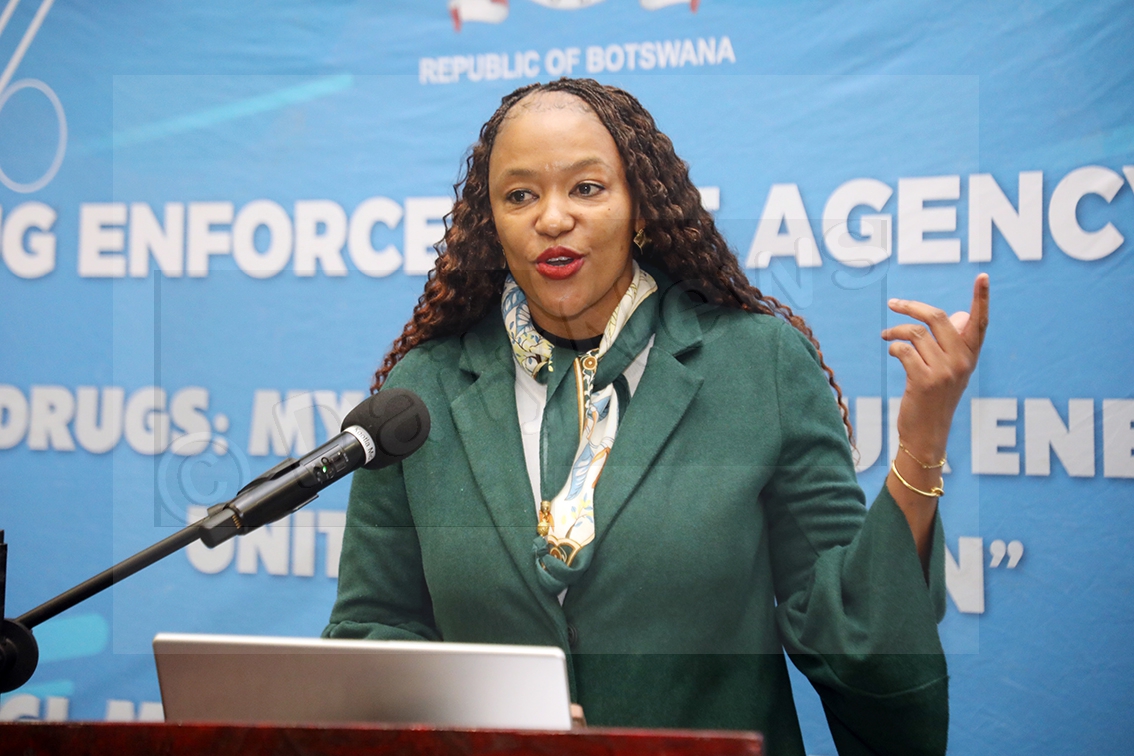
Speaking at a three-day workshop on supporting the implementation of the International Standards for the Treatment of Drug Use Disorders, organised by the United Nations Office on Drugs and Crime (UNODC) in Gaborone recently, Drug Enforcement Agency (DEA) principal public education officer, Ms Lorraine Modise said the country was adopting a balanced approach that integrated prevention, treatment, rehabilitation and social reintegration under the National Drug Control Master Strategy (2026–2030).
Ms Modise said the youthful population and high unemployment levels continued to increase vulnerability to drug use.
She revealed that between 44 and 45 per cent of secondary school learners used substances in the past year, while 31 per cent met the criteria for substance use disorder.
Alcohol remains the most commonly used substance among young people, followed by tobacco,cannabis and the misuse of codeine cough syrup.
She added that cannabis, commonly known as dagga, remained the country’s most prevalent illicit drug.
Between January and March this year, 397 dagga cases were recorded, leading to the arrest of 512 citizens and 31 non-citizens. CAT was the second most abused drug, with 19 recorded cases and 32 citizens arrested. Meanwhile, remarks delivered on behalf of UNODC Regional Representative for Southern Africa, Ms Jane Marie Ongolo, commended Botswana for its commitment to tackling drug abuse through evidence- based prevention and treatment.
She noted that the recently launched 2026 World Drug Report highlighted the growing threat posed by synthetic drugs and new psychoactive substances across Southern Africa, alongside increased methamphetamine and heroin trafficking along the Southern drug route.
Ms Ongolo said these emerging trends underscored the urgent need to strengthen national treatment systems while improving collaboration between law enforcement and public health sectors. She welcomed the country’s progress in establishing two rehabilitation centres, developing the National Drug Control Master Strategy and hosting the African Union consultation on synthetic drug supplyreduction.
Ms Ongolo further said UNODC remained committed to supporting Botswana through technical assistance, including expanding community-based treatment programmes and other public health interventions aimed at reducing the harmful effects of drug use.
She urged stakeholders to focus on people affected by stigma, trauma and addiction, stressing that no one should be left behind in the country’s response to substance use disorders. ENDS
Source : BOPA
Author : Ndingililo Gaoswediwe
Location : Gaborone
Event : International Standards for the Treatment of Drug Use Disorders WORKSHOP
Date : 06 Jul 2026
Related News



07 Oct 2026