The knighthood that followed Seretse Khama exile
29 Jun 2026
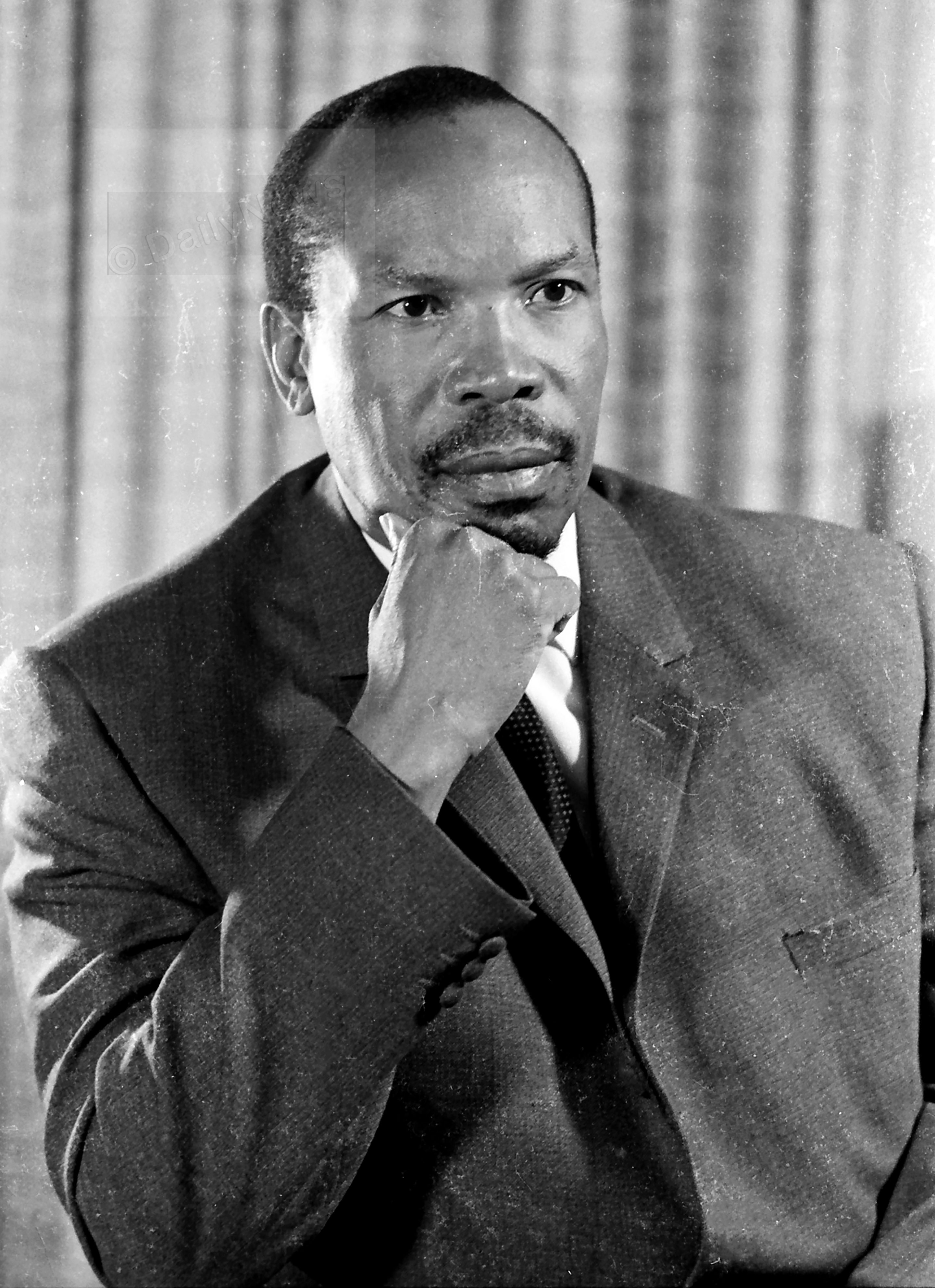
July 1 is Sir Seretse Khama Day. The nation remembers the birth of Botswana’s founding president, the same month he died. The legacy of the Bangwato rested on his shoulders, but his life was also shaped by a love story that crossed borders and challenged the conventions of his time. That story begins in Serowe and ends with a title before his name that many still ask about: “Sir”.
Who was Seretse Khama, really? And why did Queen Elizabeth and the Royal House confer a knighthood on him?
Historian, Mr Kabo Garechaba says the answer is not only about the man, but about the empire and the region he was about to lead.
Mr Garechaba explains that a knighthood is usually given to someone not holding political office at the time. Seretse received his before independence and before he became Botswana’s first Prime Minister.
The honour was the Knight Commander of the Order of the British Empire, or KBE, the second-highest rank of knighthood in Britain.
The exact year is not certain to Mr Garechaba, but he is clear that it came before 1966, when Bechuanaland became the Republic of Botswana.
To understand the KBE, Mr Garechaba places Seretse on a Cold War map. Bechuanaland sat between South Africa under apartheid, Namibia under Portuguese administration, and Rhodesia under the Rhodesian Front.
London needed a stable, Western-aligned leader in a territory that served as a buffer. Seretse was a ‘British citizen’ – he was in exile; having been banished from his homeland in resistance to his marriage to a white woman. He was educated in the United Kingdom, and he carried on his shoulders the traditional authority of the Bangwato. For Britain, that made him an anchor it could not afford to lose.
Here is the contradiction that gives the story its weight. In 1951, the British government exiled Seretse from Bechuanaland because of his marriage to Ruth Williams, a white British woman.
The colonial office judged the union politically inconvenient and bowed to pressure from apartheid South Africa. The same man who was treated as a liability for love would later be honoured by the Crown.
Mr Garechaba argues that the 1966 KBE was not a reward for a lifelong favourite of the establishment. It was strategy.
“It is not given to people hostile to the British Government. Knighthoods are used to secure loyalty. Britain was knighting him to bring him close, so that after he took the presidency he would not turn against them,” he said.
In Mr Garechaba’s view, London wanted to buy back goodwill and keep Botswana anchored to the Commonwealth and the West, rather than risk a deeply aggrieved leader seeking support elsewhere.
The pattern was not unique. Mr Garechaba points to other African leaders who received British honours at moments of political transition.
Zimbabwe’s Robert Mugabe, South Africa’s Nelson Mandela and Thabo Mbeki all carried British awards, with Mandela receiving the Order of Merit and Mbeki the Grand Cross of the Most Distinguished Order of St. Michael and St. George (GCMG). Botswana’s own Sir Ketumile Masire was made GCMG in 1991.
“These are not random awards. They are geopolitical chess pieces. Seretse’s KBE fits the same pattern,” said Mr Garechaba.
In that reading, the knighthood tells two stories at once. One is the story of a Bangwato prince whose marriage defied colonial prejudice and changed the course of Botswana’s history.
The other is the story of an empire adjusting to a changing Africa, using honours to repair ties and secure alignment.
The KBE, Mr Garechaba argues, was Britain’s way of mending fences with a leader it once exiled, and of positioning him as a bulwark against communism in a region surrounded by hostile regimes.
So the “Sir” before Seretse Khama’s name is more than a mark of respect. It is also a record of how power works.
A government that once banished a man for whom he loved later placed a sword on his shoulder, because Southern Africa’s politics demanded it.
And from that moment, the founding president carried both the dignity of his people and the calculations of an empire into independence. ENDS
Source : BOPA
Author : Thamani Shabani
Location : Francistown
Event : Interview
Date : 29 Jun 2026
Related News
24 Aug 2026

24 Aug 2026