


Botsino Cement drives construction sector
25 Jun 2026
Just outside Mahalapye, in Lose, a home-grown company is steadily helping to shape industrialisation while showing that local manufacturing can thrive in a competitive market.
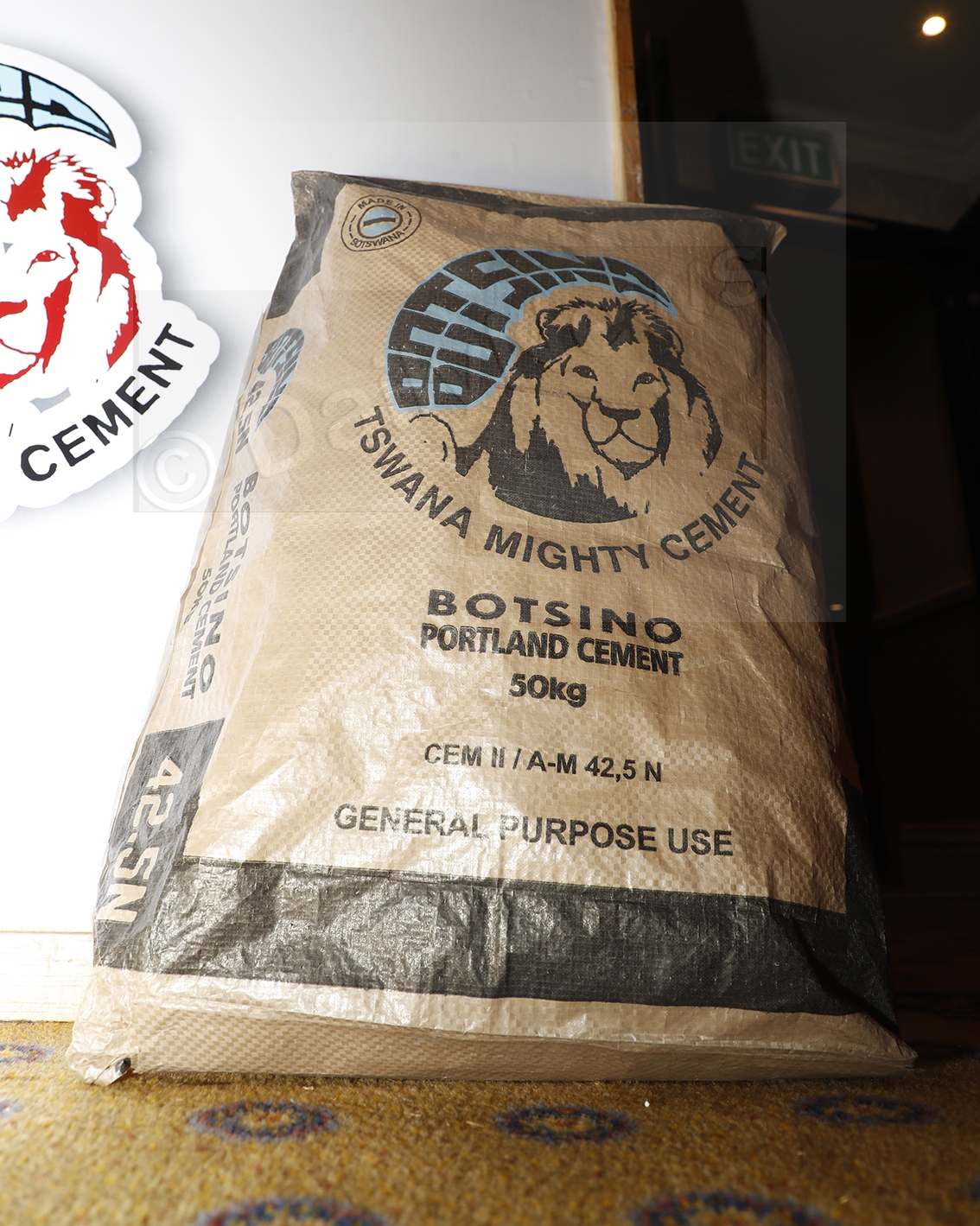
Botsino Cement may not be a household name to every Motswana, but its products form part of the foundations of homes, commercial buildings, mining developments and public infrastructure across the country. Behind every bag of cement lies a story of entrepreneurship, industrial ambition and a vision for a more self-reliant Botswana.
Founded in 2017 by director Mr Jeevarathna Kumar and Ms Mamatha Kumar, the company emerged as Botswana intensified efforts to diversify its economy beyond diamonds. It set out with a simple but ambitious goal: manufacture quality cement locally, create jobs and cut dependence on imported construction materials.
Today, that vision is steadily becoming a reality.
“Our objective is to support national development through local production while creating employment and contributing to Botswana’s economic diversification agenda,” said Sales
Representative Ms Judith Giddie.
Ms Giddie said, what sets Botsino apart was its status as Botswana’s first fully citizen-owned cement manufacturer. In a sector long dominated by multinationals, its growth reflects increasing participation of Batswana in industrial production and value-added manufacturing.
The factory’s operations, according to Ms Giddie also tapped a key national resource.
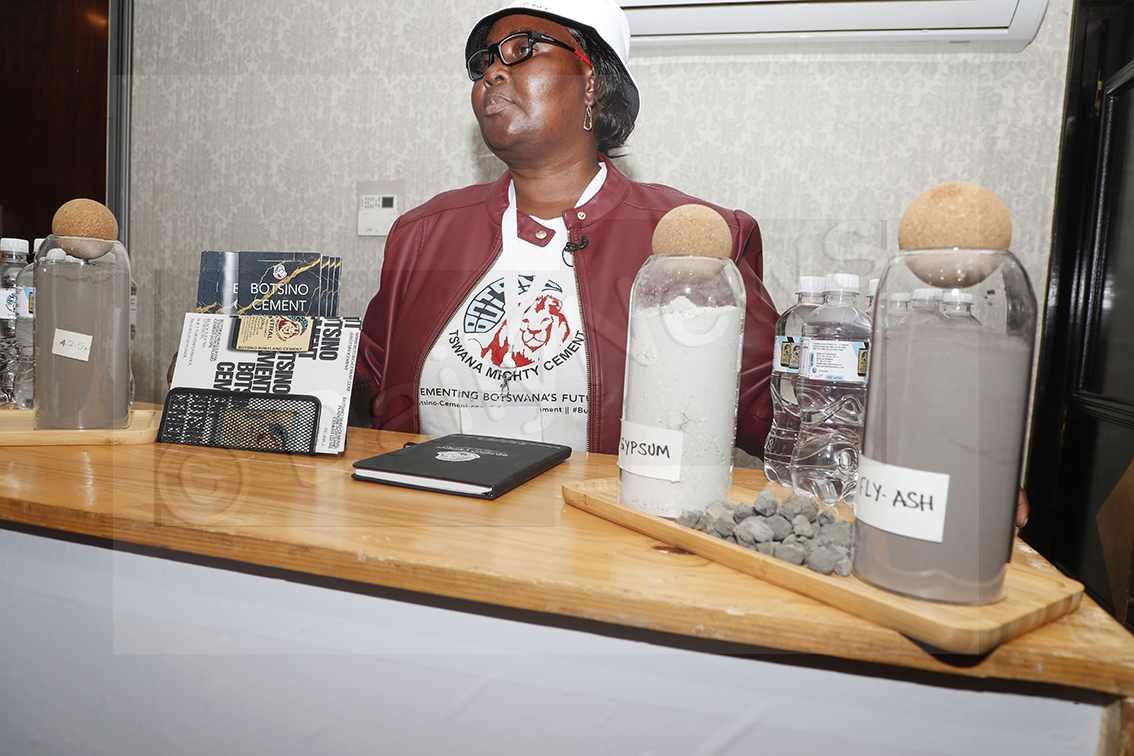
Fly ash, a by-product from coal-fired power generation at Morupule, is a core ingredient in Botsino’s cement.
The material enhances strength and converts industrial waste into a valuable construction input, aligning with global moves toward sustainable manufacturing.
Inside the plant, Ms Giddie said quality control remained a top priority. Cement samples undergo rigorous testing to meet Botswana Bureau of Standards requirements.
“Through collaboration with the Botswana Institute for Technology Research and Innovation
(BITRI), products are independently verified for durability and reliability,” she said.
The company produces various grades of Portland cement tailored to different needs.
From residential housing and bricklaying to heavy-duty industrial structures and reinforced concrete developments, Botsino products are increasingly used in projects supporting Botswana’s growth.
Yet the impact extends beyond cement. Ms Giddie said Botsino has created hundreds of direct and indirect jobs, supporting families in surrounding communities. Partnerships with the Botswana International University of Science and Technology (BIUST) give students practical industrial experience, helping build a new generation of technical professionals needed to expand the country’s industrial base.
However, Ms Giddie said like many manufacturers, Botsino was faced with challenges, such as importation of some key raw materials such as clinker and gypsum, exposing the company to international market shifts and supply chain disruptions that affect costs.
She said despite the obstacles, management remained optimistic Botsino Cement’s story mirrors Botswana’s broader economic aspirations: building local industries, creating jobs, promoting innovation and strengthening resilience. As the country pursues industrialisation, enterprises such as Botsino show what citizen-led manufacturing can contribute to national development.
At a time when economic transformation dominates policy talks, the Lose factory offers a practical example of that change, one production line, one job, one bag of cement at a time. ends
Source : BOPA
Author : Lorato Gaofise
Location : Lose
Event : Feature
Date : 25 Jun 2026
Related News




07 Oct 2026