


Basarwa Plead For Inclusion
25 Jun 2026
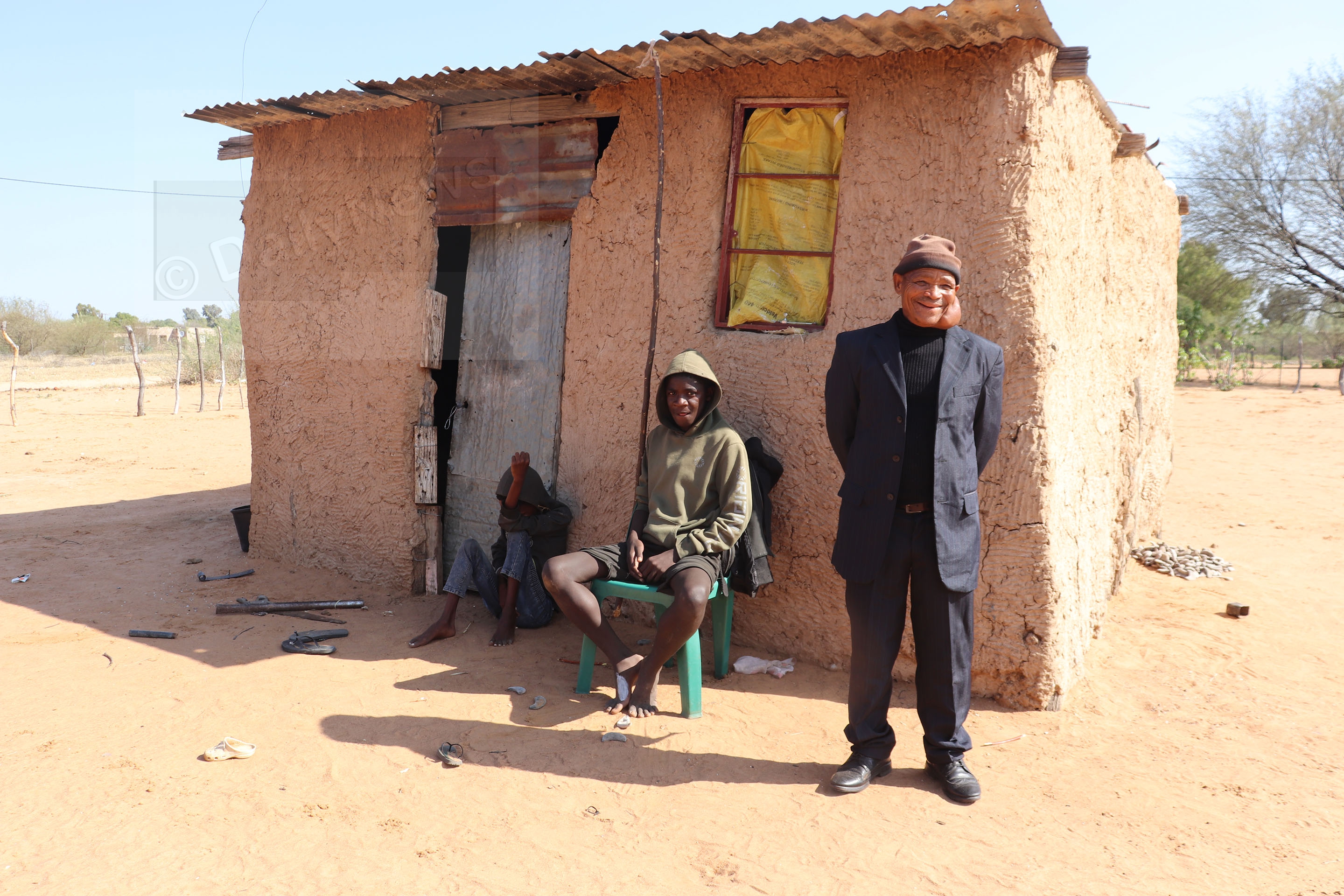
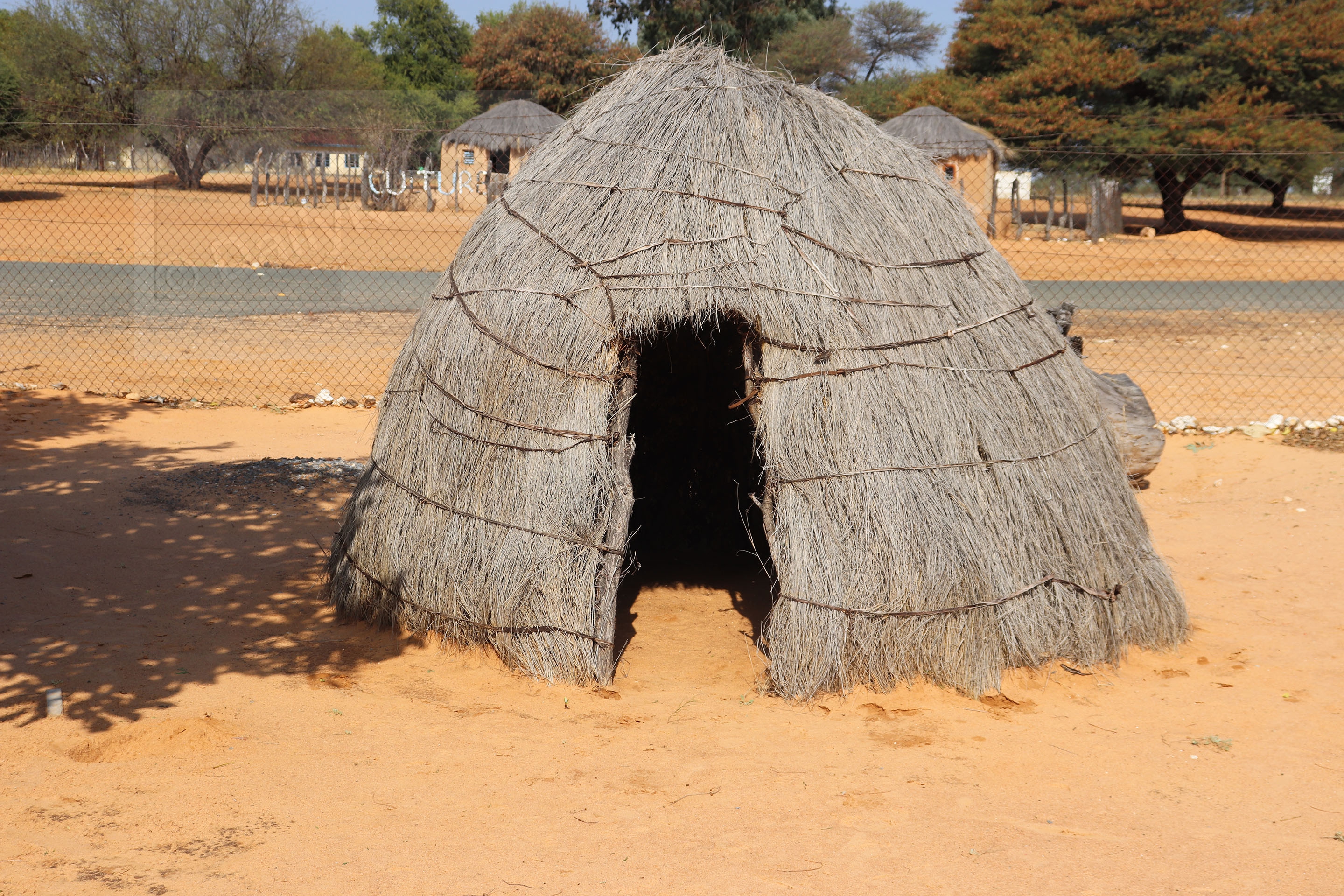
A recent high-level consultative meeting in Kokotsha village laid bare the deep-seated grievances of the local Basarwa community, with residents sharing emotional testimonies of systemic marginalisation, economic exclusion and a rapidly fading cultural identity.
The community-led dialogue provided an open platform for residents to voice their challenges directly to government officials. Addressing the gathering, Acting Permanent Secretary in the Ministry of Water and Human Settlement, Mr Nchidzi Mmolawa said the visit was intended to engage directly with the Basarwa community to better understand their aspirations and how they envisioned a more prosperous future.
While Mr Mmolawa reaffirmed government’s commitment to inclusive development and meaningful consultation, local residents made it clear that current national empowerment programmes were failing to reach them.
A central theme of the meeting was the lack of leadership representation for the Basarwa, with many noting that existing political and traditional structures did not accommodate their unique lifestyle and heritage.
Mr Andonce Sebathane stressed the need for traditional leadership that understood their culture, saying “we want a Mosarwa Kgosi; we cannot be led by a Mokgalagadi Kgosi. We want a Mosarwa who will understand our nature and roots.”
Sharing his personal experience, Mr Ipoletseng Basimane highlighted systemic barriers to leadership.
“I was once a candidate for Bogosi. I was discriminated against and no one voted for me, mind you, Basarwa are the first people of Botswana.”
To remedy this, residents requested government to actively engage the Basarwa in leadership development and ensure that at least one Mosarwa is specially elected as a councillor to represent the community’s voice at district council level.
The community also highlighted that mainstream economic initiatives such as the Youth Development Fund (YDF) were practically inaccessible to them. Multiple speakers noted that it was rare for a Mosarwa to benefit from these programmes, estimating that fewer than one in 20 successful applicants came from their community.
Ms Kebabotse Motshetsheme explained that the barriers were both psychological and geographical.
“Basarwa people are very shy and very scared of people. They are not even able to go to the offices, and this is because of their nature,” she said.
Residents further pointed out that poverty prevented them from accessing opportunities, as many lacked the money needed to travel to the sub-district headquarters in Tsabong to submit applications.
As a result, local youth remained unemployed, leading parents to question the value of formal education.
The transition from a traditional hunting-and-gathering lifestyle to settled village life has left many community members feeling idle and impoverished. Residents explained that the introduction of government animal quotas had effectively ended their traditional means of survival without providing viable economic alternatives.
Ms Sadie Machake delivered a poignant plea regarding their relocation to the village.
“Like other Basarwa, we were moved from our settlements to Kokotsha thinking we were coming for greener pastures, and now it is vice versa. I am pleading with government to take us back to our settlements so that we can continue living like we used to.
To combat hunger and poverty, residents proposed practical economic solutions. Mr Buden Mochinboy said the Basarwa were among the leading harvesters of Sengaparile or Devil’s Claw and requested government assistance in securing a reliable commercial market for the product.
He also suggested the allocation of a community farm or ranch to improve food security.
Highlighting the gradual disappearance of their culture and experiences of social discrimination from other tribes in the village, Mr Basimane urged both the community and government to encourage children to speak their mother tongue so that the Sesarwa language did not disappear.
Ms Nnaniki Basimane summarised the community’s sense of alienation, noting that Basarwa were consistently overlooked even for basic institutional employment opportunities such as cleaning and gardening positions within government departments.
During the session, area Member of Parliament, Mr Tokyo Modise emphasised that sustainable progress could only be achieved when communities actively participated in shaping the policies and programmes that affected their lives.
For the Basarwa of Kokotsha, the hope is that this consultation will mark the beginning of genuine structural change, economic equity and meaningful representation. ENDS
Source : BOPA
Author : Naomi Leepile
Location : Kokotsha
Event : Consultation
Date : 25 Jun 2026
Related News

07 Oct 2026