


FMD controls threaten spike in food prices
23 Jun 2026
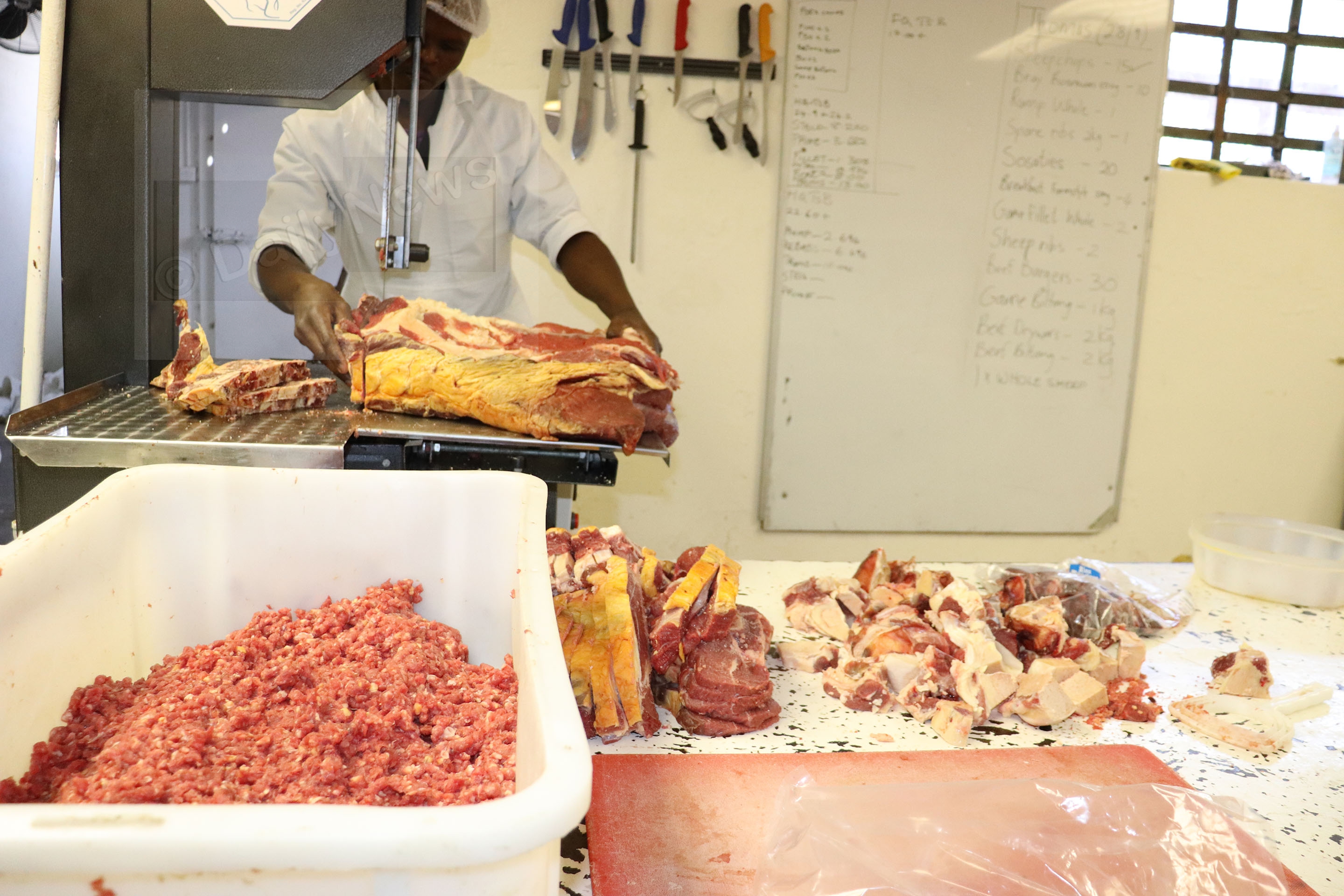
An outbreak of Foot and Mouth Disease (FMD) and the resulting livestock movement bans and slaughter restrictions may push food inflation higher in the short term, the Bank of Botswana Monetary Policy Committee (MPC)has warned.
Presenting the MPC’s recent report, Governor Lesego Moseki said strict disease control zones have disrupted local supply chains, creating shortages of beef and dairy products, driving meat and overall food prices sharply upward.”
He said headline inflation edged up from 10.3 per cent in April to 10.7 per cent in May, staying above the Bank’s 3-6 per cent medium-term objective range. Mr Moseki noted the month-on-month rise was partly due to a base effect; water tariffs for low-consumption households fell in May 2025, cutting inflation by 0.23 percentage points at the time.
Governor Moseki said the MPC forecasts showed that inflation would remain above the upper bound in the near term, driven by supply-side factors.
These , he said included persistent high international oil prices, their impact on domestic fuel, and associated cost-push pressures.
“Inflation is projected to average 9 per cent in 2026, before easing to 5.5 per cent in 2027. There is a greater risk of inflation being higher than currently projected, mainly due to potential second-round effects from higher domestic fuel prices and possible increases in administered prices, in particular electricity tariffs and public transport fares,” Mr Moseki said
Growth is also expected to remain subdued due to adverse external developments, he added.
He noted that external developments had raised the cost of living and undermined the recovery of the global diamond market, weighing on Botswana’s overall economic performance.
Mr Moseki said higher prices for oil, gas, fertilisers and industrial inputs tied to the Middle East war would stay inflationary if peace negotiations break down. The possibility of global tariff increases also heightens inflation risks.
“Inflation could, however, be lower than projected if domestic and global economic activity remains subdued, fiscal space remains tight, or if international commodity prices fall. On balance, there is need for continued vigilance and management of inflation expectations,” he said.
Furthermore, Governor Moseki said the Ministry of Finance projected economic growth of 3.1 per cent in 2026, driven by stronger non-mining sector performance under National Development Plan 12 and the Botswana Economic Transformation Programme (BETP).
He cautioned that any delay in BETP implementation could undermine recovery. The outlook remains subject to downside risks, including livestock disease outbreaks, geopolitical tensions, climate-related shocks, and shifting trade patterns.
Although USA-Iran peace negotiations have improved market sentiment, uncertainty over the durability of peace and the commodity price outlook remains elevated. ENDS
Source : BOPA
Author : Thato Mosinyi
Location : Gaborone
Event : MPC report
Date : 23 Jun 2026
Related News


13 Oct 2026
Expo sparks regional leather expansion


12 Oct 2026
Partnership to boost vehicles maintenance
12 Oct 2026
Farmers urged to treat agriculture as a business

12 Oct 2026