


Women Cobblers Break Into Male-Dominated Industry
22 Jun 2026
Women are dismantling patriarchal norms by stepping into the historically male-dominated field of shoe cobbling.
While this shift fosters diversity, female cobblers navigate unique challenges, including intense double standards, a lack of support from female counterparts, and heavier scrutiny.
For generations, shoe cobbling was traditionally reserved for men. Today, however, women are breaking these barriers by acquiring training certifications in leatherworks and apprenticeships. Women not only face the infamous ‘glass ceiling’ as they move up the ranks, but female entrepreneurs are further encircled by ‘glass walls,’ making it challenging for them to enter more profitable, traditionally male-dominated sectors.
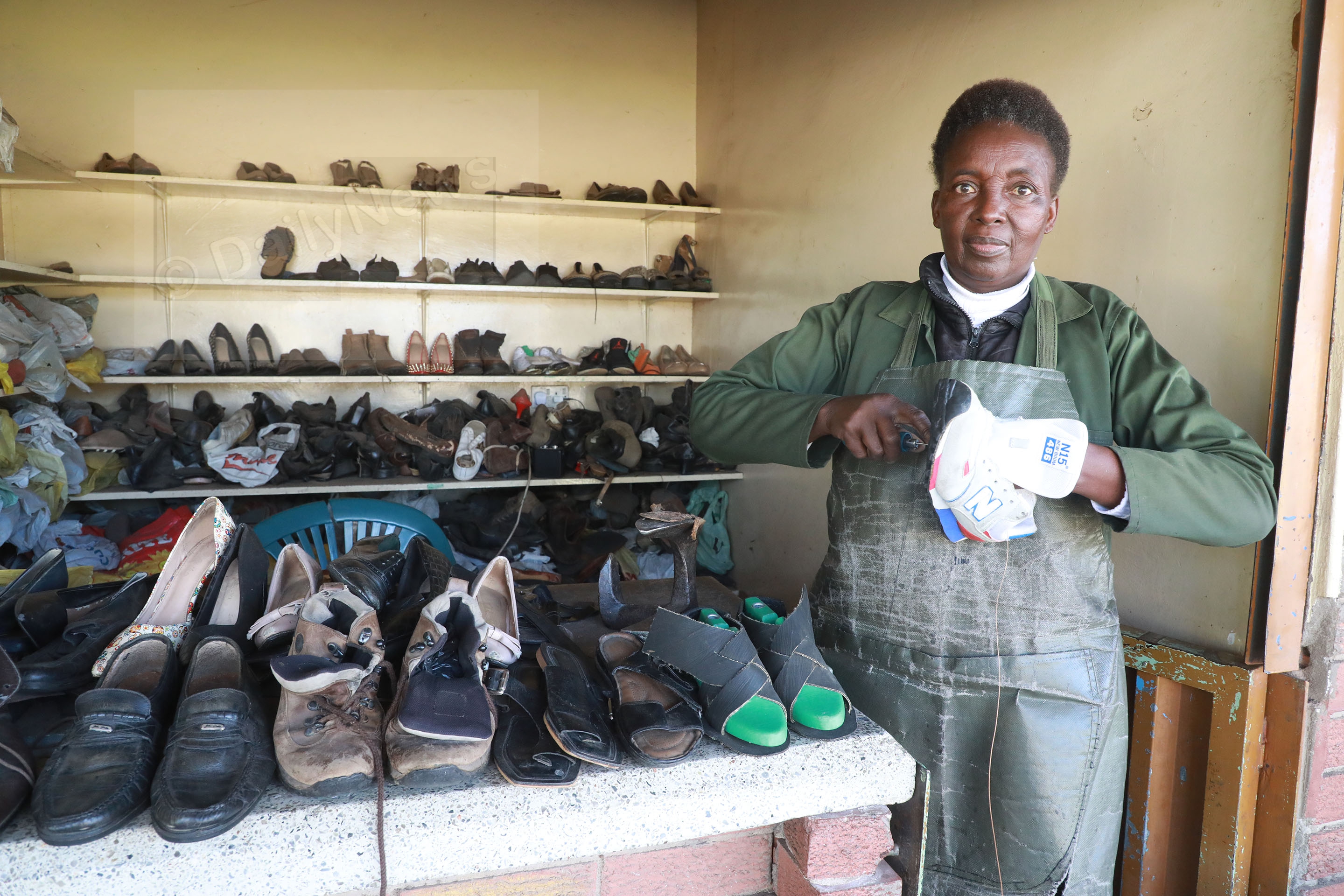
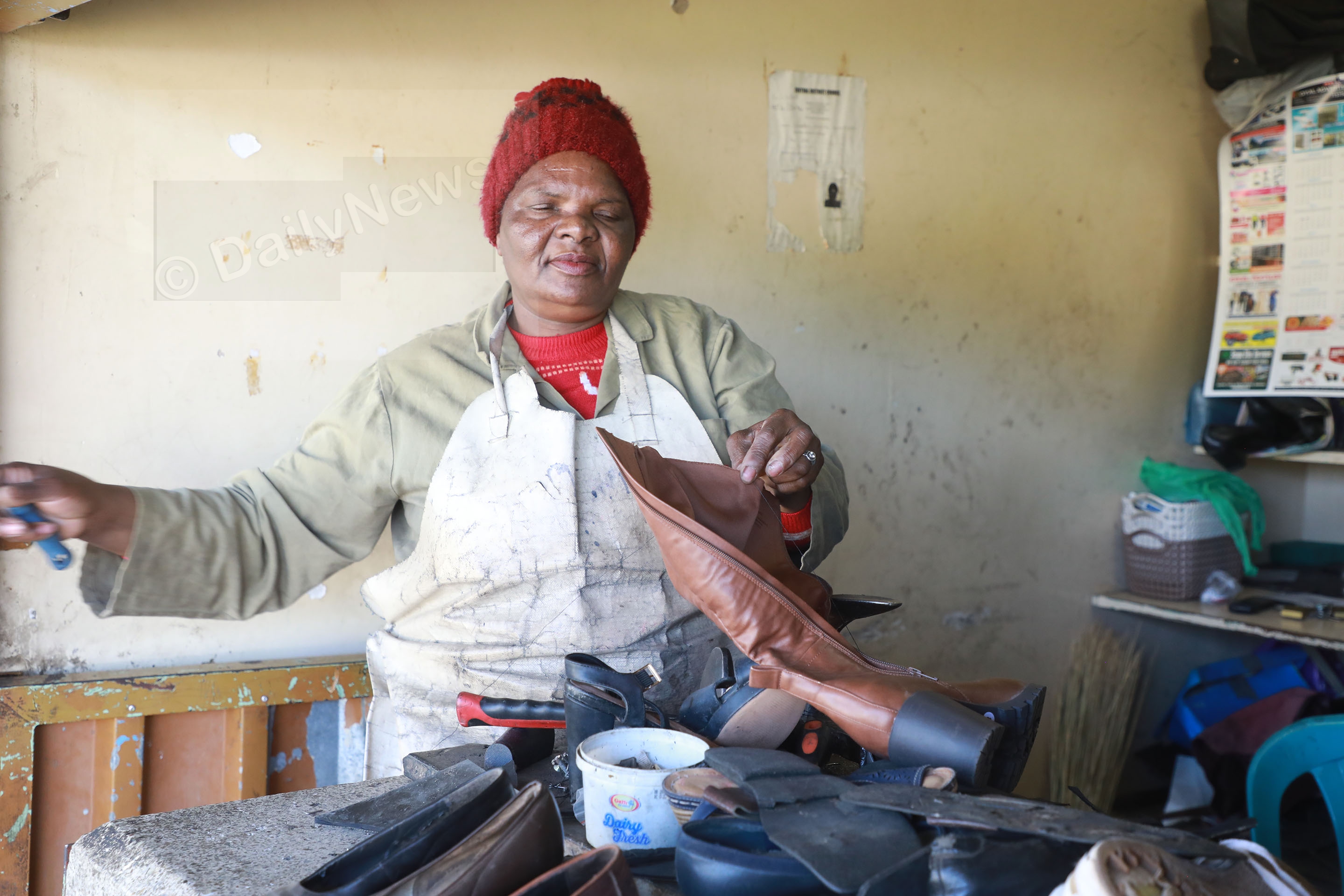
Shoe cobbling duo Mesdames Motana of Quick Service Shoe Repair and Magdeline Moilwa of M.T.M Leather Products bear testimony to shattering the notion that shoe cobbling was exclusively for men.
Ms Moilwa told BOPA in an interview that breaking into a male-dominated business takes passion and perseverance.
Having started her trade in 1999, she initially attended Mochudi’s Integrated Field Service (IFS) which offered business entrepreneurship and management training in 1998 to acquire basic skills in leatherworks.
A native of Serowe at Sebinanyane ward, she returned to the same school later that year to cement her expertise.
Through the then Financial Assistance Policy (FAP), she purchased equipment to kick-start her business.
“In 1999, I went to the Rural Industries Innovation Centre (RIIC) in Kanye to hone my skills specialising in leather products. This enabled my business to sell to individuals, schools, and corporate entities,” Ms Moilwa said.
Ms Moilwa noted that while the business put food on the table despite a sluggish economy, the broader financial climate hampered exponential and further growth.
She did not despair but remained optimistic that economic revival would see her business soar to greater heights someday.
“The Foot and Mouth Disease outbreak in the country did not help the situation. Therefore, excellence, good customer care, and etiquette remained critical at that point in time for the success of the business,” she said.
As for Ms Motana, a resident of Bokhurutshe ward in Serowe who plies her trade at the central marketplace, she learned cobbling in 1994 from Mr Gaoduelwe Shonono, a seasoned cobbler. She narrated that she met Mr Shonono in 1993 while she was still in school, and they agreed that upon her completion, he would hire her, a promise that became a reality.
She was keen to learn and bolster her authority in the craft because she possessed a photographic memory that enabled her to grasp the techniques quickly.
Ms Motana reminisces about a time when a teacher brought in shoes that needed repair, and she managed the task flawlessly, proving to herself that she could open her own business.
Following her maternity leave, she wasted no time and opened her own enterprise, which proved viable enough to support her family to date.
“The business continues to meet the family at the point of need,” she said. To break barriers in male-dominated businesses she opines calls for visibility and mentorship.
Women according to Ms Motana were often given less room to make mistakes than their male counterparts.
In addition, she said pushing beyond rigid and long-standing gender roles requires determination and drive.
“However, despite the progress, women entering male-dominated professions usually face hurdles which acts as launching pads in order to shine in the industry,” said Ms Motana, maintaining a gaze around the workshop.
Women, she also asserts needed to frequently leverage empathy, emotional intelligence and collaboration to succeed and pave way for future generations of women. ENDS
Source : BOPA
Author : BOPA
Location : Serowe
Event : Interview
Date : 22 Jun 2026
Related News

08 Oct 2026




07 Oct 2026