



Traceability primary defence against FMD
08 Jun 2026
Traceability is the primary defense in the fight against Foot and Mouth Disease (FMD), as accurate tracing localises the disease to specific control zones.
This emerged during recent kgotla meetings addressed by the Minister of Lands and Agriculture, Mr Edwin Dikoloti in Kgomokasitwa and Magotlhwane recently.
Minister Dikoloti stated that the core battle in combating FMD outbreaks relied on ensuring all animals were traceable and fully identifiable.
This includes using Botswana Animal Information and Traceability System (BAITS) ear tags, alongside zonal and owner brands.
He emphasised the importance of maintaining containment zones and ensuring that boundaries were clearly defined.
The Minister appealed to traditional leaders and pastors to join the government in combating FMD, calling for mephato (regiments) to work collaboratively toward establishing these containment zones.
He noted that the establishment of containment zones must be fast-tracked for completion by the end of this month to allow the subsequent creation of protection zones.
He further outlined that the containment zone would start from the Ramotswa borderline, meandering toward the Otse cordon fence, pass through Mogobane and Ranaka, and extending up to the Kanye junction.
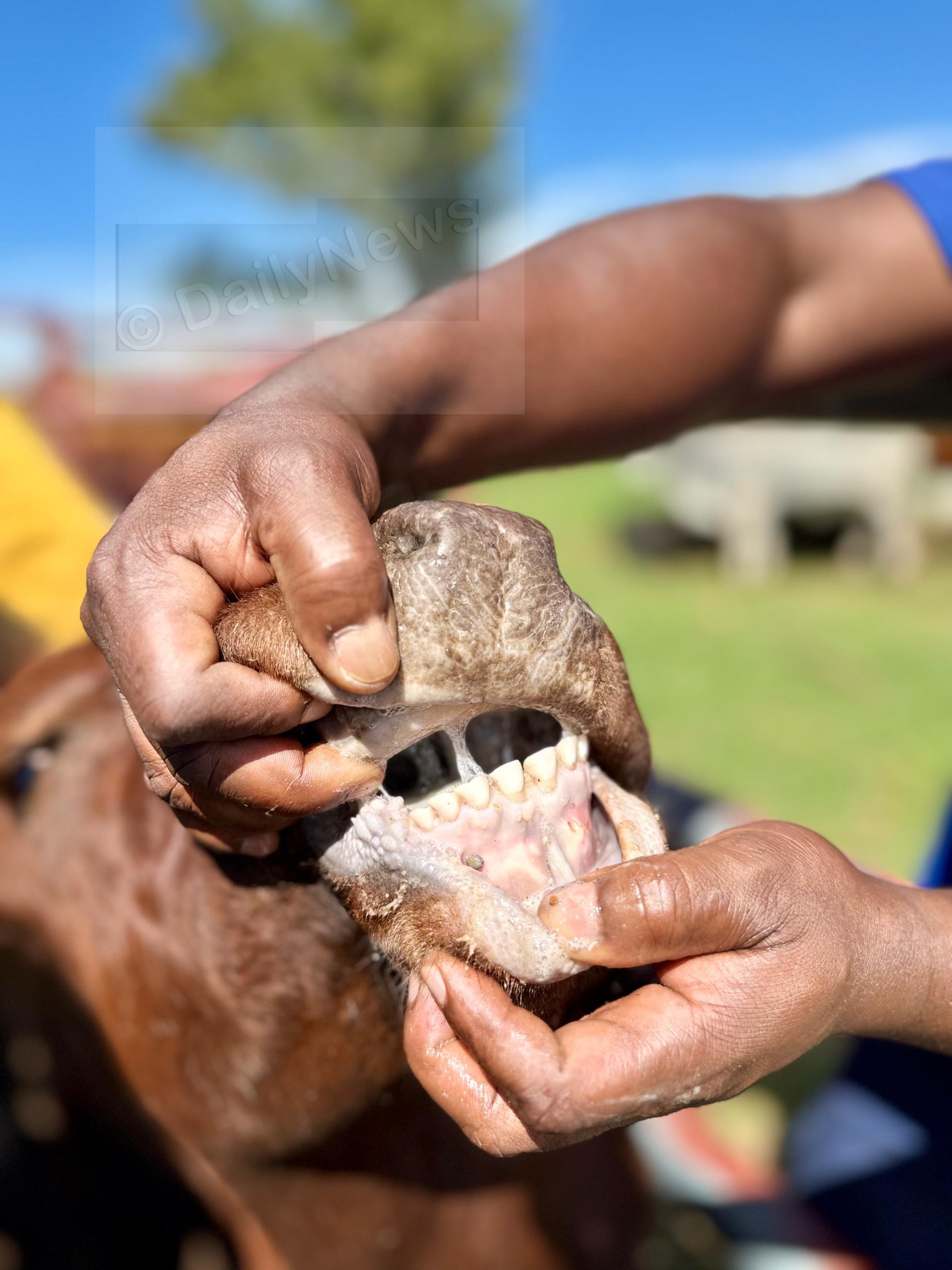
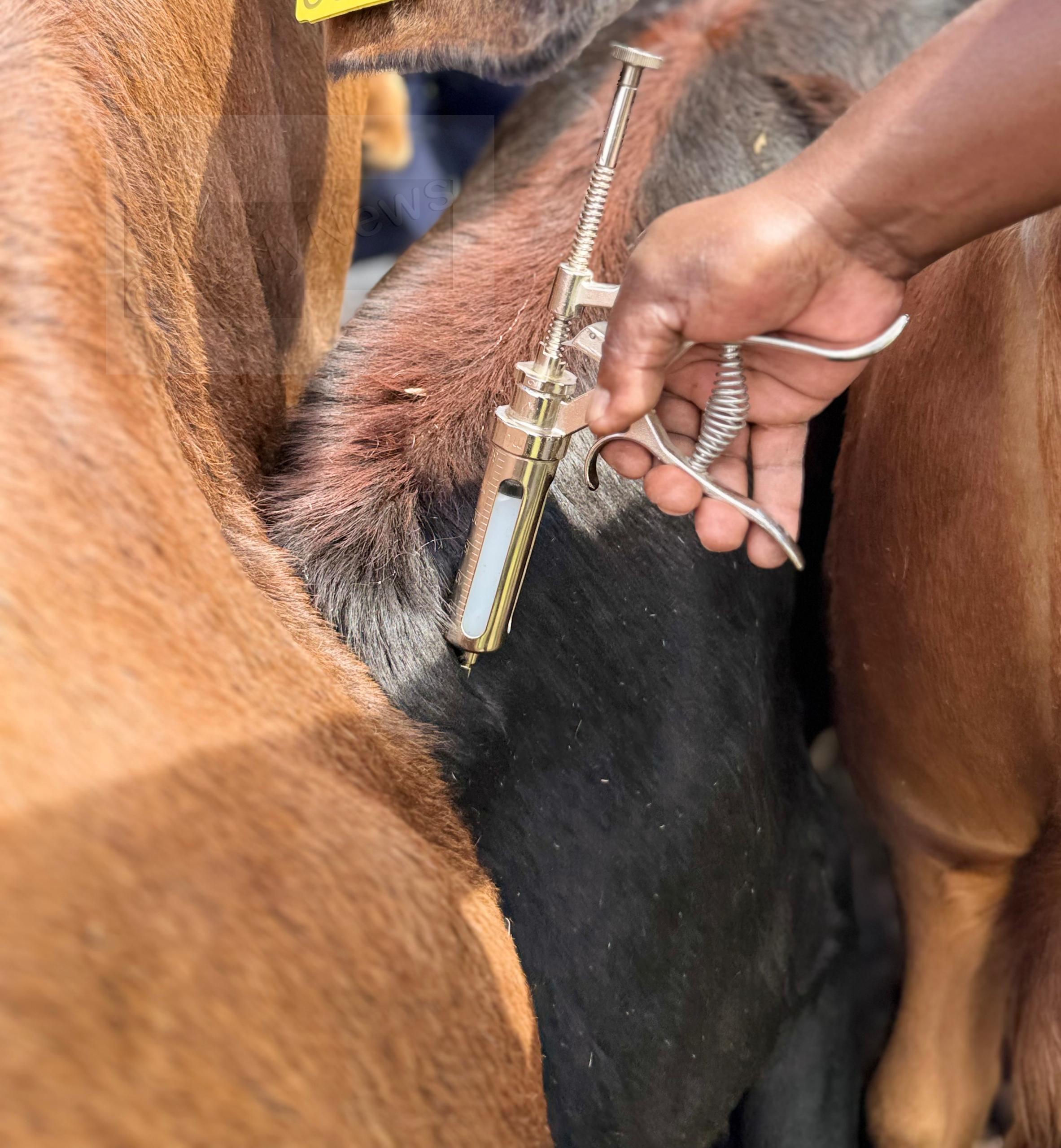
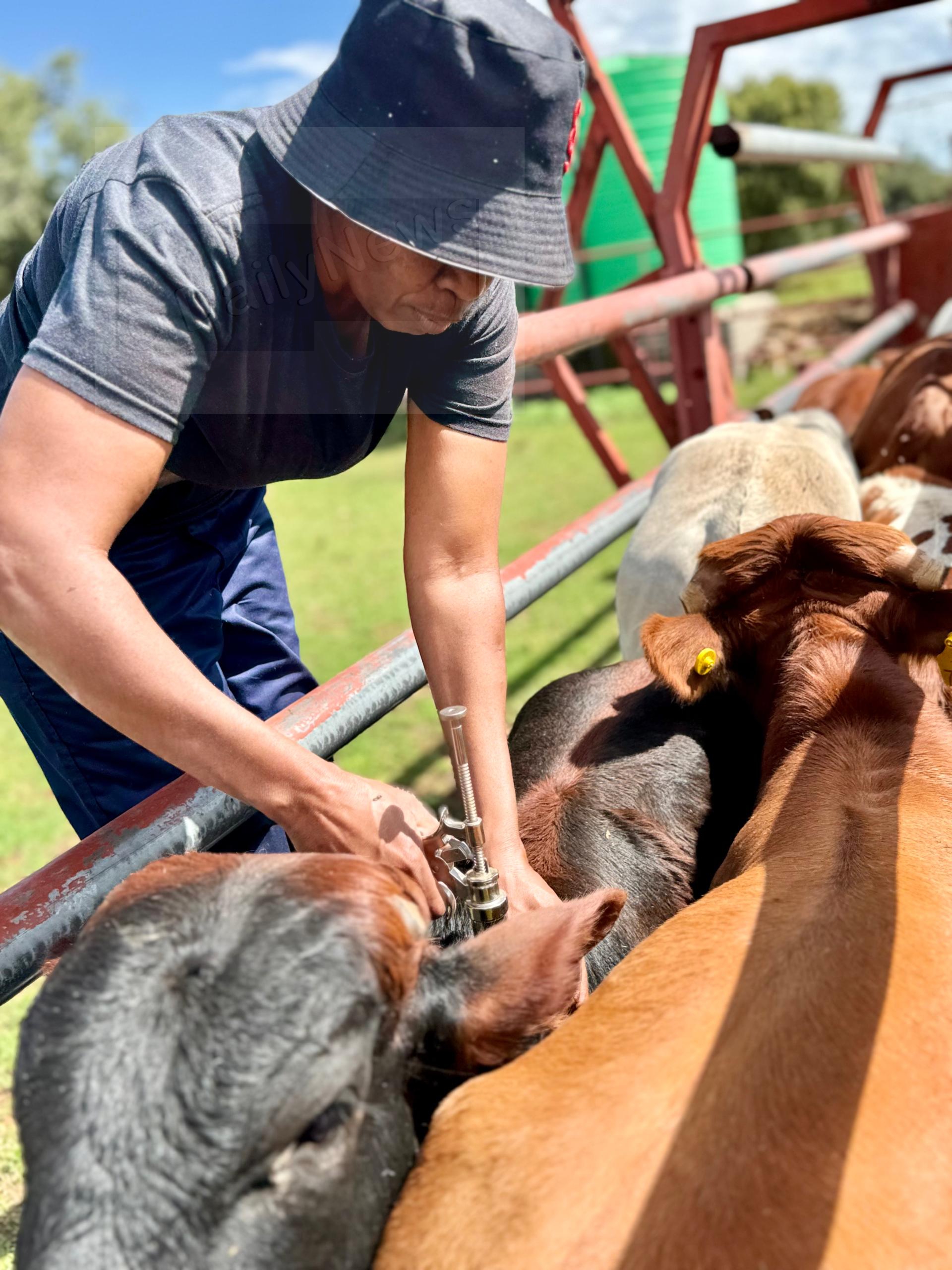
Minister Dikoloti also shared that 70 000 cattle had been vaccinated since the launch of the vaccination campaign.
Furthermore, he stated that government was considering a review of the Livestock and Meat Industries Act, specifically regarding meat sold in butcheries.
The Southern Region FMD Coordinator, Dr Odireleng Thololwane, cautioned farmers against demanding immediate vaccination of their animals.
He explained that beef from vaccinated cattle differed in quality from unvaccinated beef, noting that local beef is priced and sold based on its quality.
Additionally, Dr Thololwane pleaded with farmers to prioritise kraaling, monitoring and keeping their cattle within the containment zone.
He explained that detecting FMD at an early stage was difficult because clinical signs only appear after a 14-day incubation period.
He added that small stock, such as goats, were not usually severely affected by FMD.
Cattle vaccinations, he noted, would be conducted three times, with each dose administered 28 days apart.
The minister was responding to residents' concerns, including those of Magotlhwane resident, Mr Gofenyaone Makasa, who had expressed worry over non-compliance with FMD standards, noting that some farmers continued to illegally slaughter cattle for sale and fail to kraal their livestock.
Mr Boikie Maseko, also from Magotlhwane, complained that beef purchased from butcheries was frequently confiscated from customers, while no action was taken against the butchery owners. ENDS
Source : BOPA
Author : Thandy Tebogo
Location : Kgomokasitwa
Event : Kgotla meeting
Date : 08 Jun 2026
Related News



25 Sep 2026