


Stud breeder fulfils childhood dream
04 Jun 2026
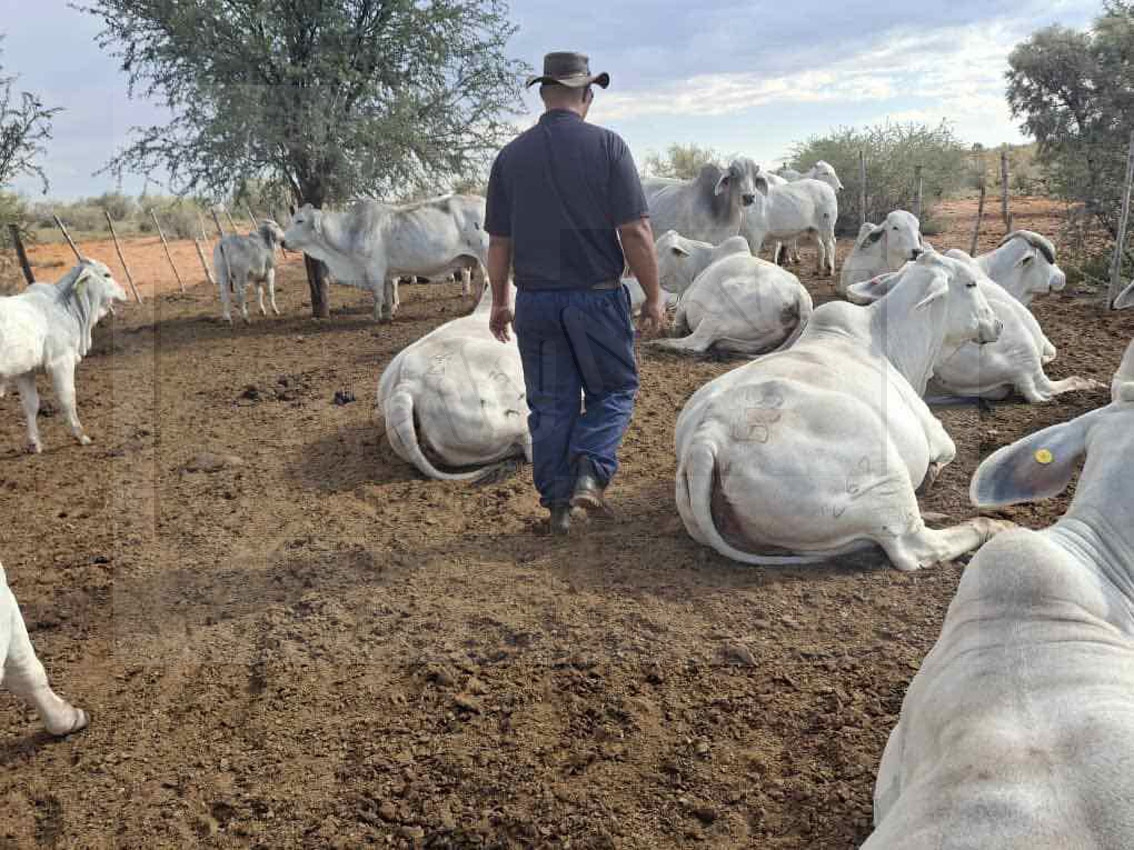
In the heart of Southern Kgalagadi, where the horizon is dominated by shifting sand dunes and the mercury often strikes a blistering 45°C, a story of remarkable agricultural resilience is unfolding.
Mr Darryl van der Westhuizen, the 38-year-old founder of Dwes Brahman Stud, is proving that with the right genetics and unshakeable faith, one can do more than just survive in Botswana’s harshest environments. His tenacity proves that one can in fact thrive.
Operating out of Lambwester Farm near Bokspits, van der Westhuizen and his wife, Ms Shalty, have transformed a childhood dream into one of the region's most sophisticated stud operations.
The journey to the top of the dunes was paved with sacrifice.
Mr van der Westhuizen’s passion for the Brahman breed began as a young boy, watching his father work with a red bull named Wyoming.
Though his initial attempts to secure funding through the CEDA Young Farmers Fund were met with resistance due to the high cost of stud breeding stock, van der Westhuizen refused to let his vision die.
In a bold all-in move in 2014, operation to acquire 22 high-quality Bos Blanco pregnant heifers from South Africa. This drastic decision laid the foundation for a herd that now attracts international interest and high-profile local buyers, including Olympic champions and heads of state.
Van der Westhuizen’s success is rooted in a scientific approach to breeding specifically for Botswana’s unique landscape. He focuses on ‘Sugarland Rexcrata’ lines, selecting for animals that are medium-framed and compact to ensure they have the energy to navigate long distances between water points.
While he seeks masculinity and muscularity in his bulls, his cows are bred for femininity and high fertility, with the stud achieving a mature cow average weight of 606kg on the veld.
By registering with the Southern African Brahman Society and utilising global systems like Breedplan, van der Westhuizen provides his customers with verified performance data and genetic certainty that is rare in such remote regions.
Beyond the genetics, the operation is governed by a philosophy of extreme discipline. In an area where the carrying capacity is a lean one livestock unit per 25 hectares, Darryl maintains a strict ‘number one rule’: his cattle always have lick.
This commitment to consistent supplementation and a rigorous immunisation programme ensures that his animals reach their genetic potential regardless of the recurring droughts that plague the BORAVAST area.
His dedication is bearing fruit; last year, the stud achieved an impressive 82 per cent conception rate through on-farm Artificial Insemination alone.
For the next generation of Batswana farmers, van der Westhuizen’s message is one of both caution and inspiration. He warns that stud breeding is a specialised, capital-intensive field that should not be entered solely for the money.
Instead, he advocates for deep research, humility, and the importance of finding a mentor who will provide the ‘harsh truths’ necessary for growth.
As he looks toward the future, van der Westhuizen aims to grow his stud to 40 elite breeding females and establish a production auction that will put the BORAVAST area on the map as the backbone of Botswana’s livestock industry.
It is a vision built on ‘sand, sweat, and grace,’ proving that the desert holds vast riches for those willing to work the dunes. ENDS
Source : BOPA
Author : Naomi Leepile
Location : Bokspits
Event : Interview
Date : 04 Jun 2026
Related News

13 Oct 2026
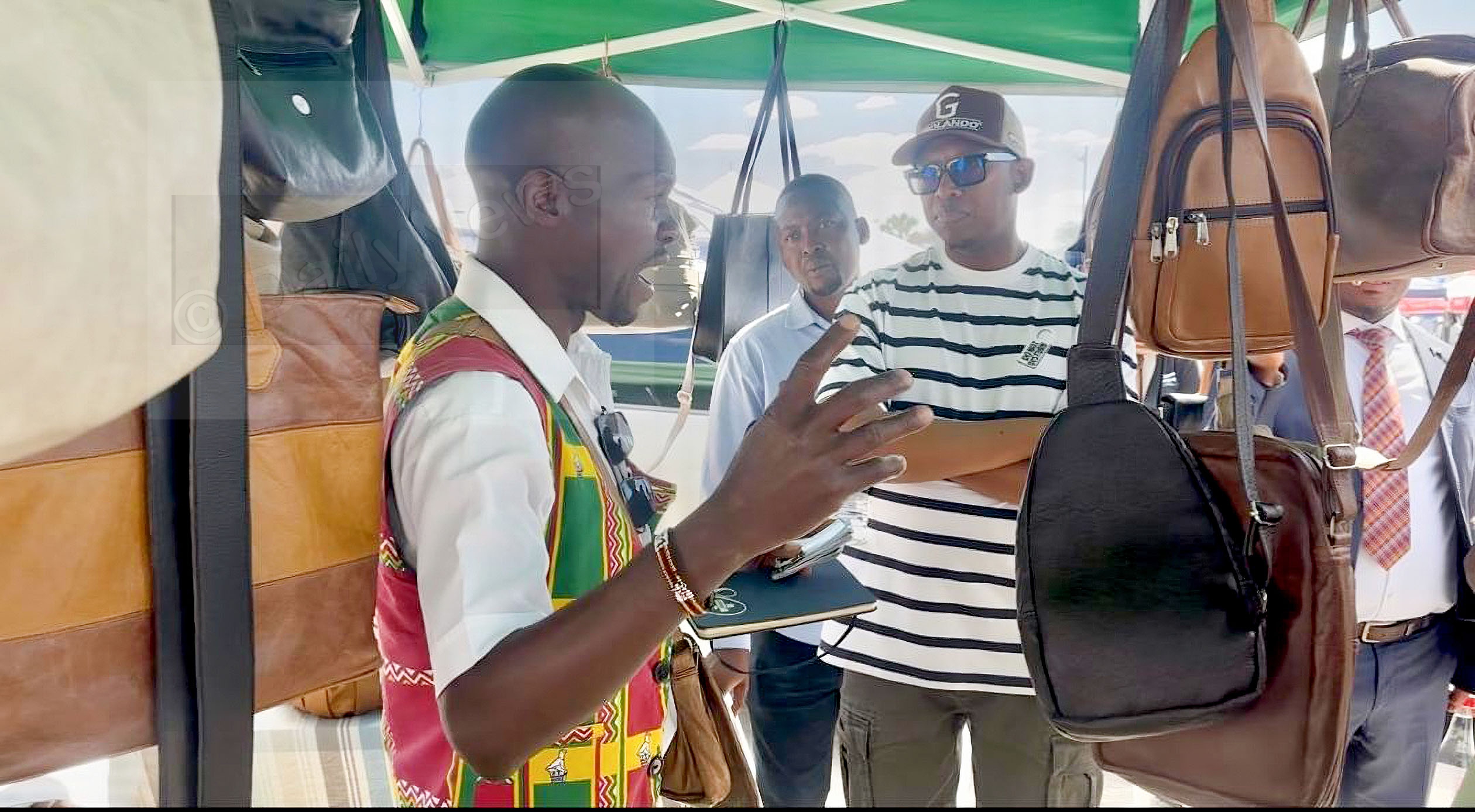
Expo sparks regional leather expansion
12 Oct 2026
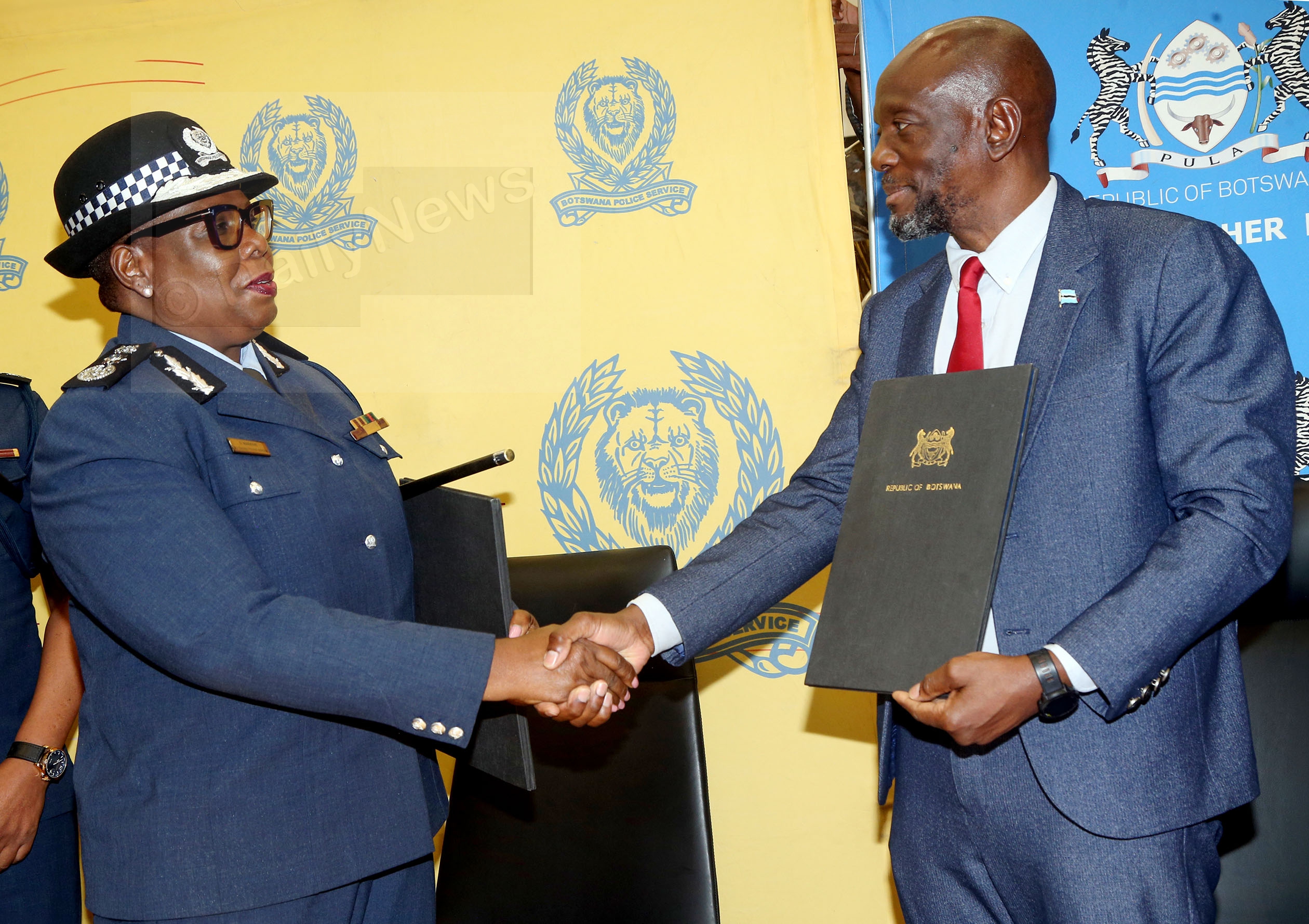
Partnership to boost vehicles maintenance
12 Oct 2026
Farmers urged to treat agriculture as a business
12 Oct 2026