


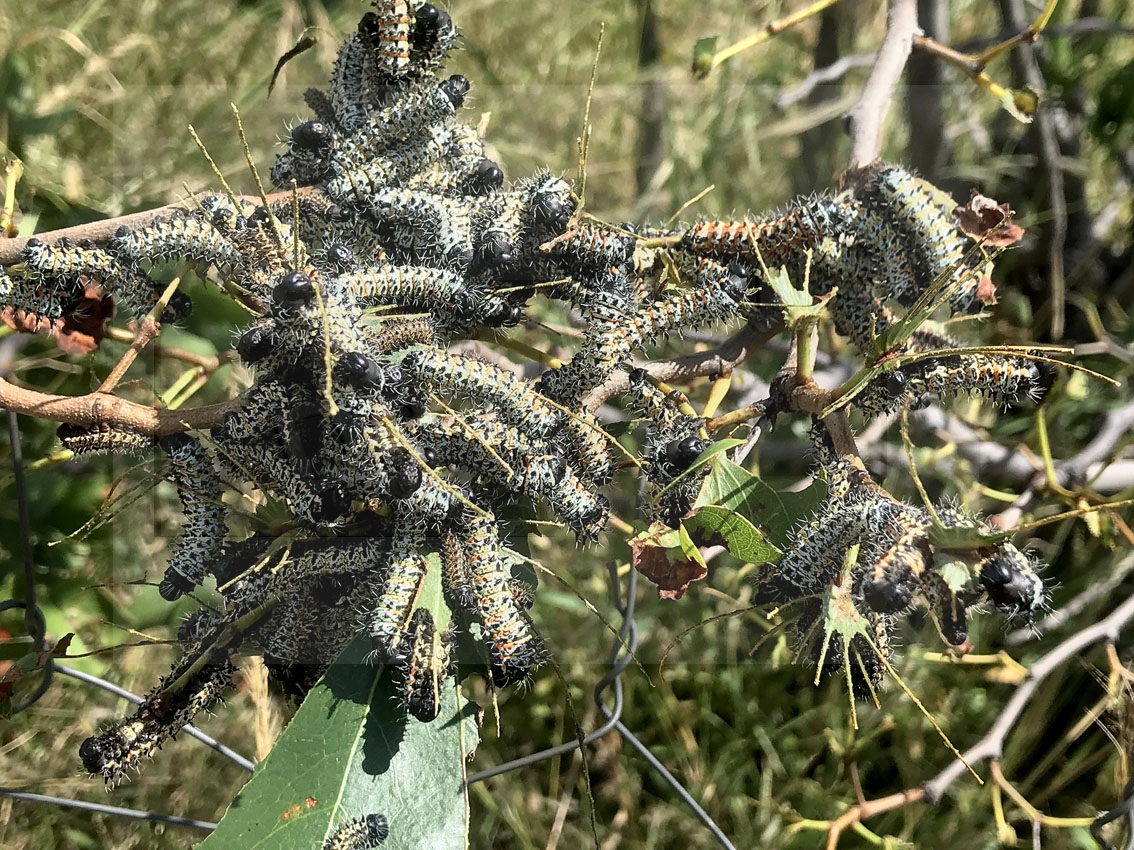
Depletion of phane worm raises concerns
21 Apr 2026
For generations, phane was more than just food; it was a symbol of seasonal rhythm, cultural identity, and community cooperation. Families would venture into the bush during harvesting season, carefully collecting caterpillars, ensuring that enough were left behind to sustain future populations.
Knowledge about when and how to harvest was passed down through elders, preserving a delicate balance between use and conservation.
Recently, the narrative has changed. The increasing recognition of phane’s nutritional value and its appeal in village, urban, and cross-border markets has made it a highly sought-after commodity.
While it is a success story, it also raises concerns about its depletion in areas such as the North East and Central Districts, which have always been regarded as hotspots of abundance.
A visit to the Moshakabele cattle post, located on the outskirts of Damochujenaa, revealed a sombre atmosphere permeating the area.
This was typically a bustling site in every harvesting season.
Harvesters from different regions would converge here, setting up temporary camps to rest amid the flurry of their work.
However, this time, the mood was heavy with disappointment.
The harvesters, who had travelled long distances, wore expressions of worry and dismay as they surveyed the diminishing worms.
The expected usual excitement of the harvest season was replaced by a palpable sense of unease, and the reality of returning home with little to show after a long journey slowly transformed into a challenging ordeal.
One of the harvesters and a pioneer settler at Moshakabele cattle post, Ms Segopotso Bathudi, said that what was once a productive harvest has become a daunting challenge.
A week’s worth of my work used to yield nearly 50kg of produce, she said, evidence of the abundance she once enjoyed.
“In the past, I could easily harvest close to home, but now I find myself having to journey long distances only to discover that my efforts are in vain. It feels as if I’m embarking on a fruitless expedition each time,” Ms Bathudi said.
“Now, I struggle to fill a single 25-liter bucket over the course of an entire week. Each day feels like an uphill battle, and the satisfaction of a fruitful harvest has become a distant memory,” she said.
Mr Modiri Gashala, who often camps during the harvest season, expressed that he no longer sees the value in camping out for the harvest. He noted that the once-thriving areas, abundant with phane, have been severely depleted, and what once brought bountiful yields now exists only in his memories.
Despite the continued abundance of mophane trees, which provide rich foliage that sustains the phane worms, Mr Gashala also expressed that the overzealous harvesting practices were threatening the future of this valuable resource.
In an interview with a technical officer with the Department of Forestry and Range Resources in Selebi Phikwe, Mr Loago Sita, he confirmed that there was a depletion of phane worms.
Mr Sita said the situation raised concerns not only for the sustainability of the phane population but also for the livelihoods of those who depend on it for their income and sustenance.
He explained that the rush to maximise profits leads to premature harvesting practices employed by some individuals who target the worms before they have fully matured, disrupting the natural life cycle of the phane and impairing the reproductive potential of the species, ultimately leading to a decline.
Mr Sita further said climatic changes and overcrowding in phane harvesting spots also contribute to the depletion of phane.
He said that although the harvesting of phane is not restricted to specific territories, they often face a situation where people from distant areas come to the squatter settlements to harvest.
Efforts to address the issue have been implemented, including the use of harvesting permits during harvest seasons.
Mr Sita noted that this measure is making a difference, particularly in monitoring the harvest and ensuring compliance with the specified harvest period. ENDS
Source : BOPA
Author : Chendzimu Manyepedza
Location : Damochujenaa
Event : Interview
Date : 21 Apr 2026
Related News


10 Oct 2026
Feature Reliving the Long March 90 years on


09 Oct 2026