


UNBENDING Mogae Rule of Law
13 May 2026
Former president, Dr Festus Mogae, who passed away last Friday, was a man who bent for no one: not international outcry, not public sympathy, nor political pressure. The economist-turned-politician took tough decisions, backed by the law, and lived by the creed that law is law is law.
BOPA reporter, Bonang Masolotate, writes that Dr Mogae, first an economist then a politician, will have history judge him as a legalist whose back folks could not easily ride.
MARIETTA BOSCH: THE GALLOWS AND GLOBAL PRESSURE
Dr Mogae’s presidency got entangled in a South African love triangle that had gone terribly wrong. A South African white woman, Marietta Bosch, was convicted of murdering her best friend, Maria Magdalena Wolmarans, and marrying the victim’s husband a year later. In 2000, the courts sentenced her to death. She appealed to the Court of Appeal but lost, with the court noting that she admitted bringing the gun used in the murder into Botswana, while she claimed she acted under emotional influence. The court found no extenuating circumstances and confirmed her sentence, making her the first white woman to be sent to death. A white South African woman facing the gallows on foreign soil, the case drew international attention. Bosch appealed for clemency to President Mogae, but President Mogae would not budge, and he later described himself as a ‘retributionist’ when asked about the matter by the press. On March 31, 2001, Bosch was executed at Gaborone Maximum Prison, despite pressure from Amnesty International, the South African Human Rights Commission, and Ditshwanelo Centre for Human Rights. In the same year, another South African went to the gallows with far less international attention. Lehlohonolo Kobedi was executed in 2001 for the 1993 murder of Botswana Police officer, David Hlangane, during a shootout with police following an armed robbery in Lobatse.
DEPORTATION OF PROFESSOR KENNETH GOOD
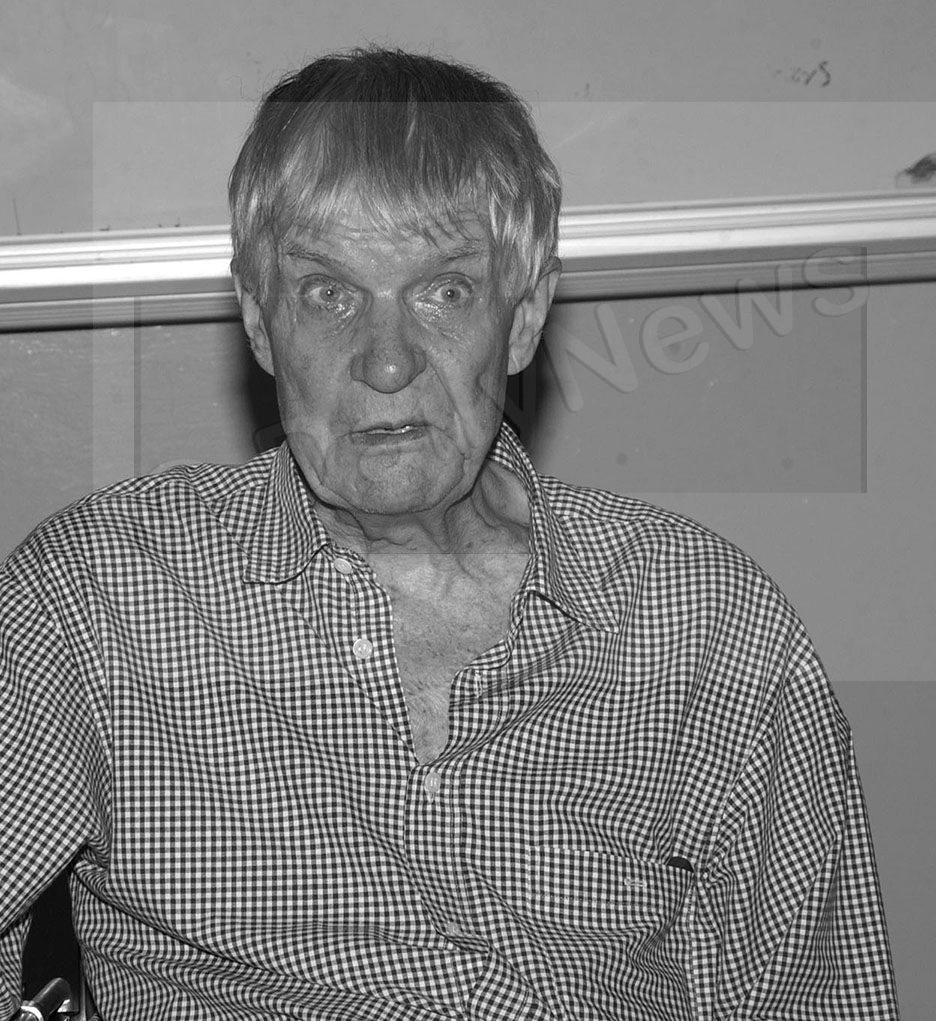
Under his presidency, University of Botswana Political Science lecturer, Professor Kenneth Good, who had been a resident in Botswana for 15 years, felt the full weight of that legalism. Good’s sharp criticism of the automatic presidential succession, which saw Dr Mogae ascend from vice president after Sir Ketumile Masire, put him at odds with the state. He also opposed the Basarwa relocation from the Central Kalahari Game Reserve and supported Survival International’s campaign against Botswana’s diamond sector. Unamused, President Mogae declared him a Prohibited Immigrant, deeming him a threat to national security and giving him 48 hours to leave the country. He challenged the decision in court, losing at both the High Court and Court of Appeal. The African Commission on Human and Peoples’ Rights later ruled the deportation violated his rights, but the ruling did not reverse his expulsion.
BASARWA RELOCATION FROM THE CKGR
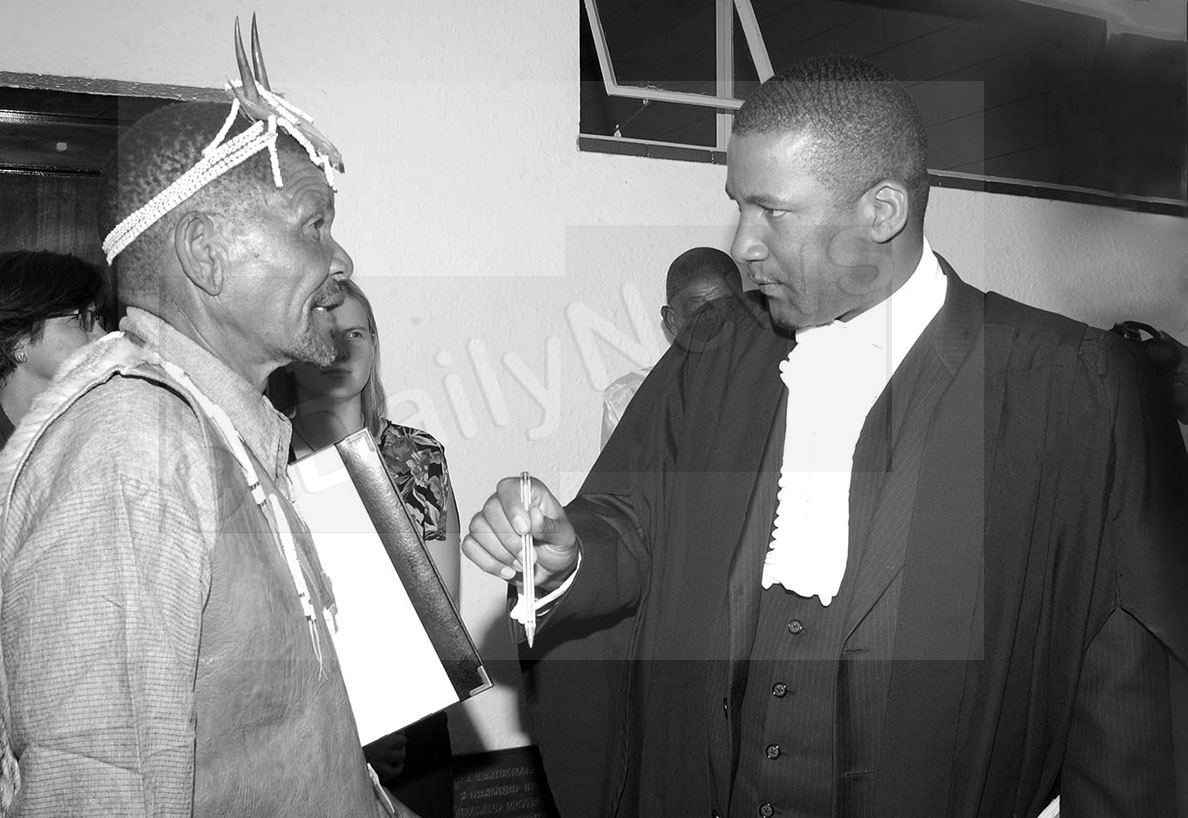
Another defining test was the relocation of Basarwa from the Central Kalahari Game Reserve to New Xade in 2002, which the government argued would bring communities closer to services and improve livelihoods, and subsequently cut services to the reserve. The critics of the relocation, including the First People of the Kalahari, rejected the government’s reasoning, and a legal battle ensued, resulting in the 2006 High Court landmark ruling that the relocations were unlawful and unconstitutional, affirming the Basarwa’s right to return. Despite the victory, only a few returned, and Basarwa accused the government of being reluctant to provide services like water inside the reserve, making resettlement difficult. The dispute drew international scrutiny, with Survival International campaigning for boycotts of Botswana diamonds and tourism. The case, known as Roy Sesana & Others versus the Attorney General, also propelled a young human rights lawyer, Duma Boko, into the spotlight as he represented the Basarwa against the government, subsequently becoming a sharp critic of President Mogae’s administration. Advocate Boko’s stardom rose, and he ultimately assumed the country’s presidency.
LAND AND THE RULE OF LAW: THE ‘YELLOW MONSTER
The unresolved Mogoditshane illegal land allocation and occupation tensions played out during his tenure. In the early 2000s, the government started the demolition of squatters around Gaborone, targeting areas mostly under the Kweneng Land Board. Eventually, the bulldozers rolled into Mogoditshane and flattened homes, tuck shops, and churches. The Mogae administration had taken an uncompromising stance on demolishing the settlements, a stance he defended publicly. Though unpopular and branded heartless by critics, the government insisted it had to uphold the law, leaving no room to negotiate with squatters. The decision left many residents without homes, although many claimed to have bought the land. ENDS
Source : BOPA
Author : Bonang Masolotate
Location : GABORONE
Event : Mogae National Mourning Service
Date : 13 May 2026
Related News


09 Oct 2026
Duma Boko School prepares for January intake
09 Oct 2026
Botswana and Zimbabwe seal waste management deal

08 Oct 2026