


Rethink Autism support systems
20 Apr 2026
African countries have been urged to move beyond autism awareness and prioritise concrete, evidence-based interventions that improve the lives of autistic individuals and their families.
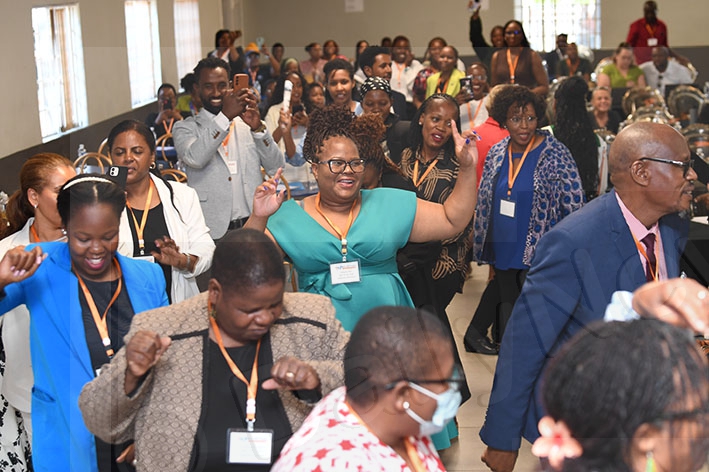
This message came out during the Pan-African Congress on Autism (PACA), where stakeholders emphasised that awareness without action is no longer sufficient.
Speaking on behalf of First Lady Mrs Kaone Boko, a representative from the Office of the First Lady, Ms Gothatamodimo Selotate, called for a decisive shift from dialogue to implementation.
She said while awareness of autism had steadily increased across the continent, much of this progress remained symbolic without firm commitments to scientific research, early diagnosis and inclusive support systems.
“Awareness alone is not enough. Africa must commit to evidence-based practices that translate knowledge into meaningful change for autistic individuals and their families,” she said.
Held under the theme:Rooted in Culture, Driven by Science, Advancing Autism Services Across Africa, the congress brought together policymakers, researchers, educators, advocates and community stakeholders to address gaps between knowledge and practice.
Ms Selotate highlighted the challenges faced by many families in Botswana, noting that the journey often begins with uncertainty, stigma, misinformation and delayed diagnosis.
She said limited access to trained specialists, high costs of care and gaps in inclusive education systems continue to place a heavy burden on families.
“Behind every child is a family navigating emotional, financial and social strain, often alone. Yet the earliest years of a child’s life are the most critical. When we fail to act early, we miss a vital window to help children learn, communicate and thrive,” she said.
Ms Selotate stressed the importance of balancing cultural relevance with scientific integrity in developing autism support systems.
She said for Africa being ‘rooted in culture’ means designing services that communities trust and can access without fear or misunderstanding, while being driven by science required dismantling harmful myths and adopting validated diagnostic and intervention methods.
This dual approach, she argued, was not optional but foundational.
She further challenged African leaders to invest in professional training, strengthen early detection systems, improve data collection and expand accessible, measurable support services.
“Science must not remain in journals and classrooms. It must reach clinics, schools, communities and homes,” she said.
The congress also highlighted the importance of multi-sector collaboration, noting that governments, researchers, educators, families and autistic individuals must work together to build inclusive and sustainable systems.
Reaffirming ongoing national efforts, Ms Selotate pointed to initiatives focused on early diagnosis, reducing stigma and empowering caregivers and frontline workers.
She emphasised that partnerships and advocacy remain key in influencing policy and shifting public perception.
Ms Selotate urged delegates to ensure that discussions translated into real impact. ENDS
Source : BOPA
Author : Lesedi Thatayamodimo
Location : GABORONE
Event : Interview
Date : 20 Apr 2026
Related News


10 Oct 2026
Feature Reliving the Long March 90 years on


09 Oct 2026