



Govt to consider re-demarcating veterinary disease control zones
20 Apr 2026
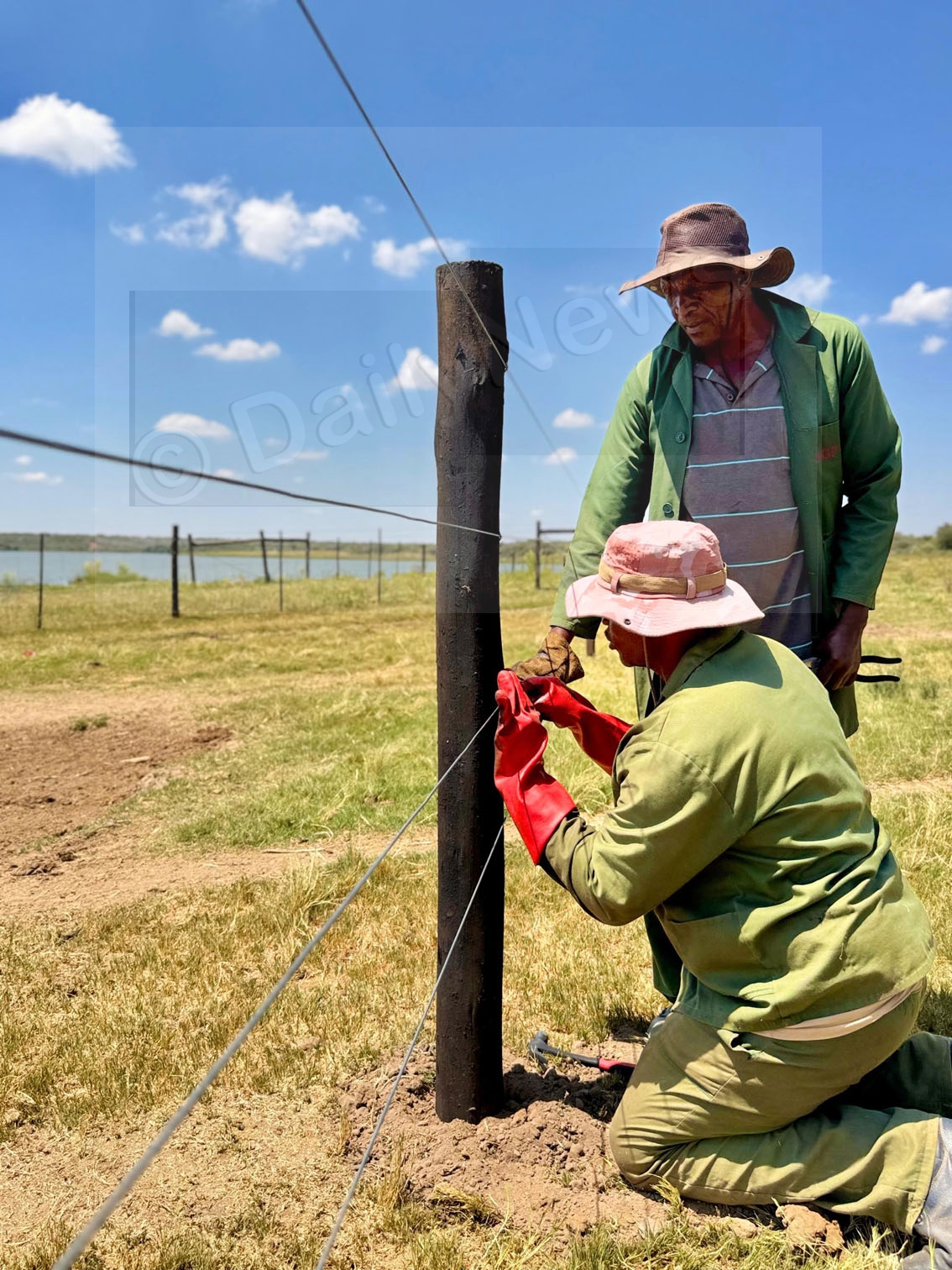
Government will consider urgently re-demarcating existing veterinary disease control zones, particularly Zone 11, 3B and similar areas across the country and embark on maintenance of all zonal fences with the aim to enhance livestock disease management and improve the livelihoods of farmers nationwide.
The development followed adoption of a motion by Boteti West Member of Parliament, Mr Sam Digwa, in Parliament last Friday. Motivating the motion, Mr Digwa argued that for years, veterinary disease control zones had served as the primary defense mechanism against devastating outbreaks, such as Foot and Mouth Disease (FMD) and Contagious Bovine Pleuropneumonia (CBPP), in Botswana.
Such zones, he explained, were designed to separate healthy livestock from potential disease reservoirs and wildlife.
However, he pointed out that many of such boundaries were drawn decades ago. He argued that as human populations had expanded, grazing patterns had shifted and climate change had altered livestock movement, the old boundary lines no longer served their original purpose.
Mr Digwa stated that recent FMD outbreaks in certain areas sent shockwaves through the agricultural sector, straining exports and plunging farming communities into uncertainty.
He said the motion sought to modernise such boundaries to ensure that they effectively served their intended purpose of biosecurity.
He attributed several pressing factors necessitating the shift, noting that the push for re-demarcation was driven mainly by outdated parameters, as the current zones did not account for modern migration routes or the growth of communal farming areas.
Furthermore, he said dilapidated infrastructure had contributed to an increase in wildlife-livestock conflict.
He added that as wildlife habitats shrank, the contact between buffalo, which carried FMD and cattle, had increased and current zones were failing to mitigate such interaction effectively.
Again, he said the old zones had led to economic stagnation and farmers in red zones or poorly managed areas faced perpetual movement bans, preventing them from accessing lucrative markets and trapping them in a cycle of poverty. By implementing a strategic re-demarcation and fence maintenance programme, Mr Digwa argued that farmers would realise significant gains.
He emphasised that effective zoning was a pre-requisite for international meat export, therefore, better management could open doors to high-value markets, such as the European Union (EU) or regional neighbours, thus bolstering foreign exchange. Furthermore, he said robust fences and clearly defined zones allowed for targeted vaccination campaigns and more efficient monitoring, leading to reduction in total outbreaks. Cognisant of the costs associated with re-demarcation, Mr Digwa suggested that government adopted a phased and consultative approach. He proposed that community-led fencing committees be empowered to oversee local maintenance, which would lower costs while creating local employment.
He suggested that government should explore Public-Private Partnerships (PPP) and seek international agricultural grants to fund infrastructure. He also argued that protecting the livestock sector was a matter of national interest.
“By improving zones and strengthening physical barriers, the country can reduce the frequency and duration of outbreaks and ensure that farmers can consistently participate in the economy,” he said. While budgetary implications and land-use sensitivity presented valid concerns, Mr Digwa highlighted that such were manageable through transparency and phased implementation. ENDS
Source : BOPA
Author : Thato Mosinyi
Location : Gaborone
Event : Parliament
Date : 20 Apr 2026
Related News




25 Aug 2026
Forensic audit generates 90 priority actions
25 Aug 2026