



National Youth Policy presents glimmer of hope
15 Apr 2026
The revised National Youth Policy 2026 marks a pivotal moment in government’s approach to youth development as youth unemployment hovers at 38 per cent as at 2024. The comprehensive framework succeeds the 2015 policy and arrives at a critical time and is guided by national and global principles of youth development with the primary objective to ensure that young people are positioned to participate meaningfully and sustainably in the development of the country.
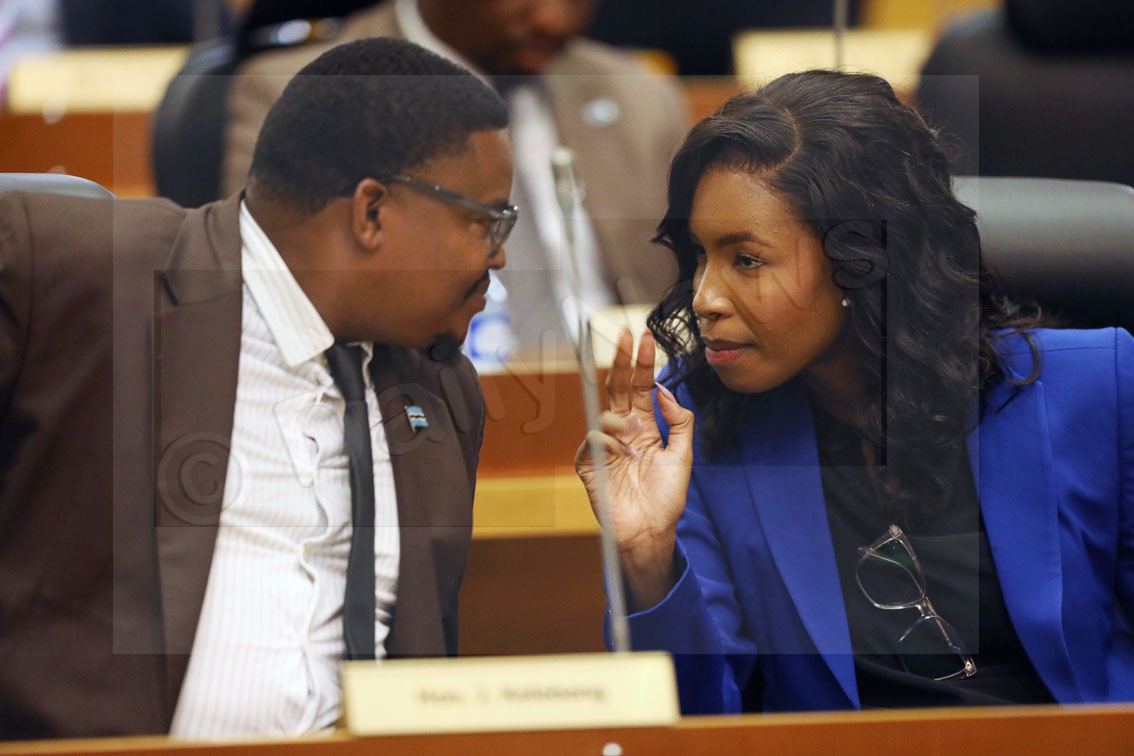
Presenting the policy in Parliament Tuesday, Minister of Youth and Gender Affairs, Ms Lesego Chombo, emphasised that the new policy prioritised rights-based empowerment over traditional advocacy, signaling a shift toward tangible opportunities and active participation.
She said government’s commitment to youth development had evolved through deliberate policy interventions, citing that the 1996 National Youth Policy established the foundation by recognising youth as central to development and extending access to education, employment skills training and cultural participation. She said the 2010 revised policy on the other hand advanced inclusivity and expanded youth participation across economic, social and environmental sectors.
Ms Chombo said while such policies laid the necessary foundation, they however had not been sufficient in addressing persistent and emerging challenges. “Today’s youth are more educated and more globally connected than any generation before them yet many remain excluded from meaningful economic participation. This contradiction shows not lack of effort from young people but misalignments within the system,” she said.
She said the 2026 National Youth Policy therefore aimed to address that which had not worked and aligned itself with the National vision 2036, National Development Plan 12 and the Botswana Economic Transformation Programme.
Ms Chombo indicated that the consultations and data that informed the policy revealed a clear and urgent picture that there was a persistent misalignment between education and the labour market demands which reflected in the youth unemployment rate of 38 per cent as captured in 2024.
“This indicated that while excess to education has extended, transition to opportunities has nonetheless not kept pace,” she said. She said only 60 per cent of learners were able to transition to senior secondary school education with social economic barriers such as teenage pregnancy disproportionately affecting young women.
She stated that beyond economic and education challenges, social vulnerabilities were increasingly evident as substance abuse and mental health challenges were on the rise.
Ms Chombo said the policy therefore recognised that youth development must be addressed as an integrated system that aligned education and economic opportunities inclusive governance and social protection.
“The expected outcomes of the policy are the clearest expression of what Botswana is committing itself to achieve for its young people by 2036 and the period there between,” she said. That, she said were not broad aspirations but measurable national commitments intended to shift the literality of youth in education, health economic participation, leadership inclusion and environmental governance as well as global competitiveness.
She said the policy aimed to ensure that young people were equipped not merely to complete school but to transition into meaningful economic contributors.
“We propose that by 2029, a significant number of young people should have excess to vocational training programmes aligned to market demands while 50 per cent should be accessing digital learning tools that strength employability and participation in the digital economy,” she said. ENDS
Source : BOPA
Author : BOPA
Location : Gaborone
Event : Parliament
Date : 15 Apr 2026
Related News

25 Aug 2026
Forensic audit generates 90 priority actions
25 Aug 2026