


Few meet parole conditions
14 Apr 2026
Only a small number of prisoners have been released on parole, despite swelling inmate numbers in local prisons.
Recent statistics reveal a nationwide prison population of 4 468 inmates, signalling appalling overcrowding. The courts continue to send more people to prison.
The situation is also compounded by the new Bail Act, which introduced stringent conditions for being admitted to bail.
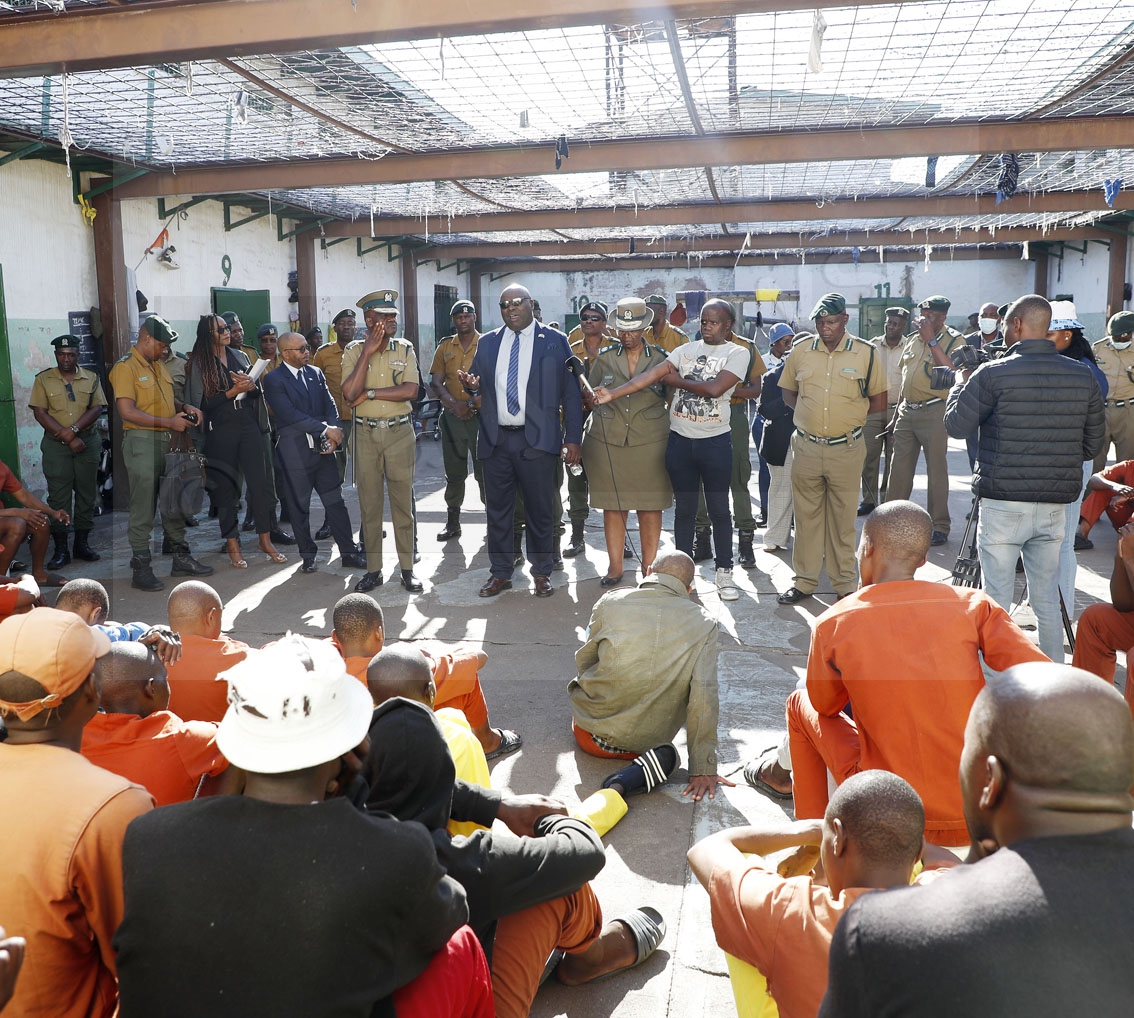
Assistant Minister of Justice and Correctional Services, Mr Augustine Nyatanga, said during a visit to Gaborone Central Prison on Friday that while parole could help reduce numbers, that had not been the case due to stringent requirements that left many inmates ineligible.
Among the requirements was an assessment report, he said, which must include the offender’s rehabilitation progress.
The report should show the offender's progress from the time of admission until the time the report was authored.
He said it should show a detailed account of the inmate’s performance, thus encouraging inmates to take advantage of programmes such as character moulding, anger management, and substance abuse treatment.
The assistant minister said that for inmates to qualify for parole, there should be evidence that they had reformed, adding that parole could help reduce overcrowding in prisons.
Mr Nyatanga also said he was aware that the new Bail Act had made bail requirements difficult, thus contributing to overcrowding.
He further acknowledged the problem of smuggling drugs and phones into prisons, and cautioned inmates against such behaviour.
He said to curb the problem, collaboration between prison staff and inmates was necessary, noting that engaging in such acts could prolong prisoners’ stay in prison as those involved could lose sentence remission and parole eligibility.
Nonetheless, Mr Nyatanga commended Central Prison inmates for their good conduct and behaviour, saying it showed emotional maturity.
He said that in the past six years, no escapes had been reported from the facility.
During comments, inmate Oteng Tshegofatso said most of the inmates had served more than half of their sentences, thus qualifying for parole.
He also decried congestion and advised that some crimes did not warrant custodial sentences.
He further implored the government to extend amnesty to prisoners, noting that they had learned their lessons.
Another inmate, Agisanyang Motukwa, commended the Commissioner of Prisons, Mr Anthony Mokento, for the change in the conduct of prison officials, saying assaults on inmates had stopped since his elevation to the top position.
He said Mr Mokento had been advocating for their welfare, including the enjoyment of conjugal rights.
Motukwa also said foreigners took longer awaiting trial, noting that one inmate had been incarcerated for over 14 years over a murder case, and that another, a Motswana, has been awaiting trial for seven years.
He said that should those prisoners not be convicted, government stood to lose millions if sued.
Further, he said government, which defines itself as human rights-centred, should ensure the enjoyment of rights by all citizens, including prison inmates.
He added that some inmates only came to prison to become hardened criminals, arguing there was no need to send those with short sentences to prison as it only hardened some.
He also complained that some magistrates remanded suspects for more than the 14 days prescribed by law and called for the introduction of a regulated public phone for inmates to communicate with their families.
Goitsekgosi Mojadigo said there was a need for assessment of judgments from magistrates before convicts were incarcerated, saying some were imprisoned on faulty judgments while the appeal process was long. ENDS
Source : BOPA
Author : Bonang Masolotate
Location : Gaborone
Event : Tour of prison
Date : 14 Apr 2026
Related News


10 Oct 2026
Feature Reliving the Long March 90 years on



09 Oct 2026