


Batlokwa Kgosi encourages open dialogue
13 Apr 2026
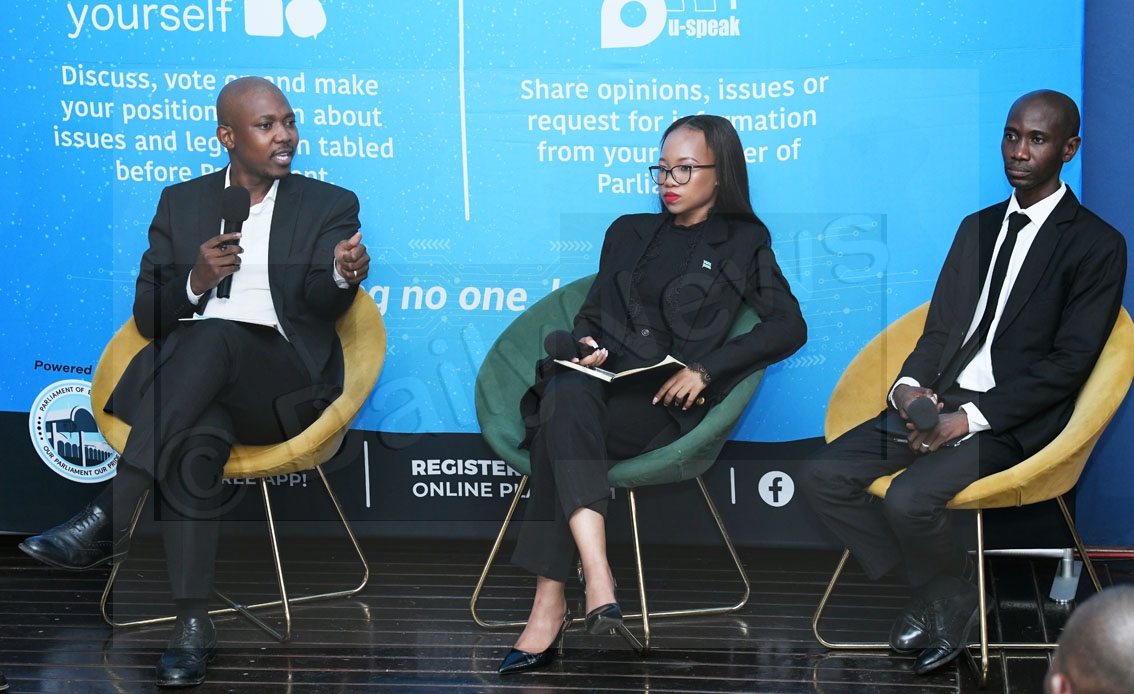
A consultative meeting on the proposed establishment of a Constitutional Court (ConCourt) held in Tlokweng on April 9, has sparked robust and largely constructive dialogue, with many participants acknowledging its potential to strengthen Botswana’s democracy, transparency and protection of human rights.
The panel discussion, which forms part of a nationwide consultation process, brought together legal experts, traditional leadership, political representatives and members of the public to exchange views on the proposed court.Delivering opening remarks, Kgosi Puso of Batlokwa emphasised the importance of public participation in shaping national institutions, noting that such platforms empowered citizens to contribute meaningfully to decisions that affected governance and justice. He encouraged open dialogue, stressing that the consultative process reflected Botswana’s commitment to inclusive democracy.
Echoing similar sentiments, Member of Parliament for Tlokweng Mr Phenyo Segokgo welcomed the engagement, describing it as a progressive step toward strengthening the country’s legal framework. He said the establishment of a Constitutional Court had the potential to enhance accountability and deepen constitutionalism, provided that public concerns were carefully considered.
Among the issues raised, Mr Israel Seitshiro, a resident of Tlokweng sought clarity on the cost implications of accessing the Constitutional Court compared to lower courts, highlighting concerns that legal costs often hindered access to justice.
Responding, attorney Kago Mokotedi explained that while litigation in the High Court generally required legal representation, the Constitutional Court allowed for direct access, which could significantly reduce costs. He noted that although legal assistance may still be necessary in some instances, the structure of the ConCourt was intended to make justice more accessible and relatively affordable.
Contributing to the discussion, Tlokweng resident Mr Elijah Katse expressed support for the initiative, stating that the court could play a vital role in safeguarding human rights and promoting transparency. However, he raised concerns about the timing of its establishment, pointing to competing national priorities.
Mr Katse also questioned the process of appointing judges, seeking clarity on public involvement and transparency in such decisions.
Other participants shared similar concerns, with some questioning the pace of the process and calling for alignment with a comprehensive constitutional review. Comparisons were drawn with South Africa’s constitutional development, prompting further clarification from the panel.
Mr Mokotedi explained that South Africa’s Constitutional Court preceded the finalisation of its Constitution, noting that the court played a crucial role in shaping the country’s supreme law. He said the court initially rejected aspects of the draft Constitution, particularly the Bill of Rights, insisting on stronger protections before approval.
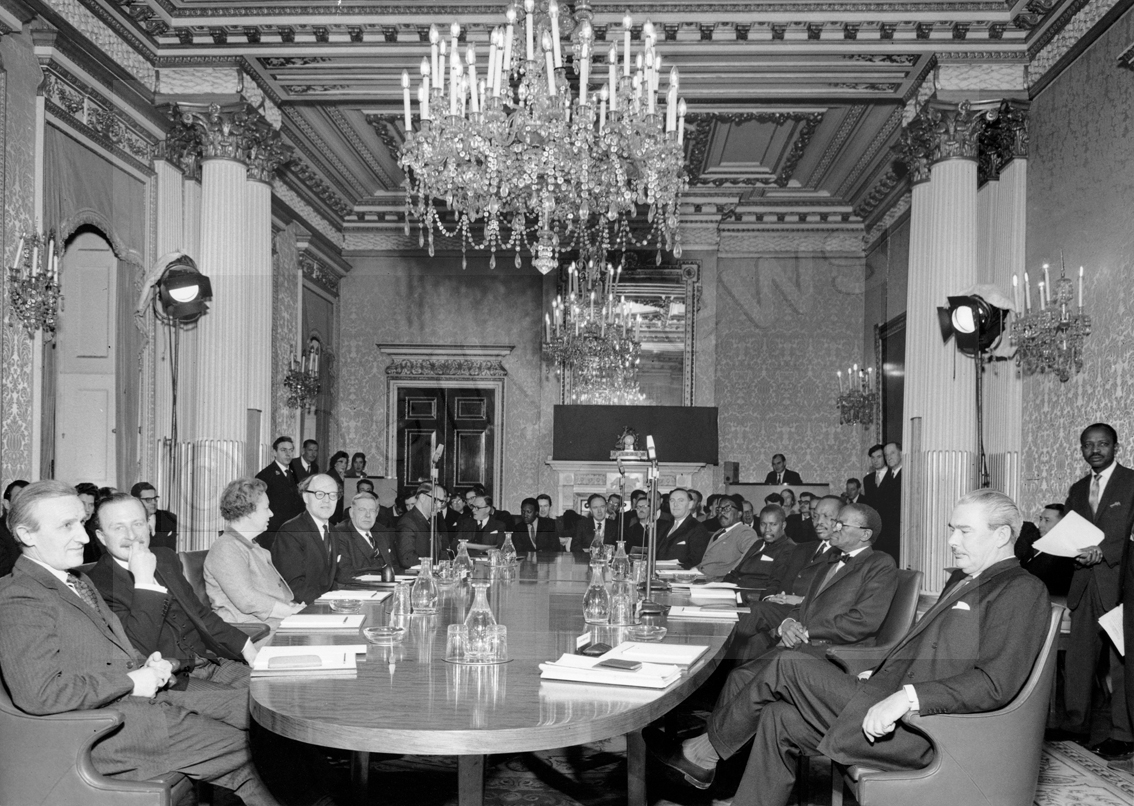
He further highlighted that Botswana’s Constitution was developed under limited participation, largely involving male political and traditional elites, with no representation of women. He noted that discussions were held in Lobatse and later finalised at Marlborough House in London.
Against this backdrop, Mr Mokotedi argued that the establishment of a Constitutional Court was a necessary step that could help align existing laws with modern democratic principles, describing the court as a potential “guardian” of the Constitution.
Attorney, Mr Tshepiso Katse also reassured participants that the Constitutional Court was not intended for a select few, but rather as an inclusive institution designed to serve all citizens equally.
On judicial appointments, Mr Mokotedi acknowledged concerns and agreed that there was room for improvement in the current system. He clarified that while the President formally appointed judges, the Judicial Service Commission played a key role in the selection process.
Addressing fears around capital punishment, Mr Mokotedi emphasised that courts were guided by the law and constitutional principles, not public opinion. He noted that the right to life would remain protected and that constitutional supremacy and the rule of law would continue to guide judicial decisions.
Overall, the Tlokweng engagement reflected growing public interest in the proposed Constitutional Court, with many participants viewing it as an important step toward strengthening Botswana’s democratic institutions, while also calling for careful consideration of timing, inclusivity and implementation. ENDS
Source : BOPA
Author : Lindi Morwaeng
Location : Tlokweng
Event : Panel discussion
Date : 13 Apr 2026
Related News
12 Oct 2026
06 Oct 2026
BPP Party that birthed nation
30 Sep 2026