



Plans to modernise agriculture at advanced stage
01 Apr 2026
Government is committed to transforming Botswana’s agricultural sector to raise the sector’s contribution to Gross Domestic Product from under two per cent to more than six per cent by 2036.
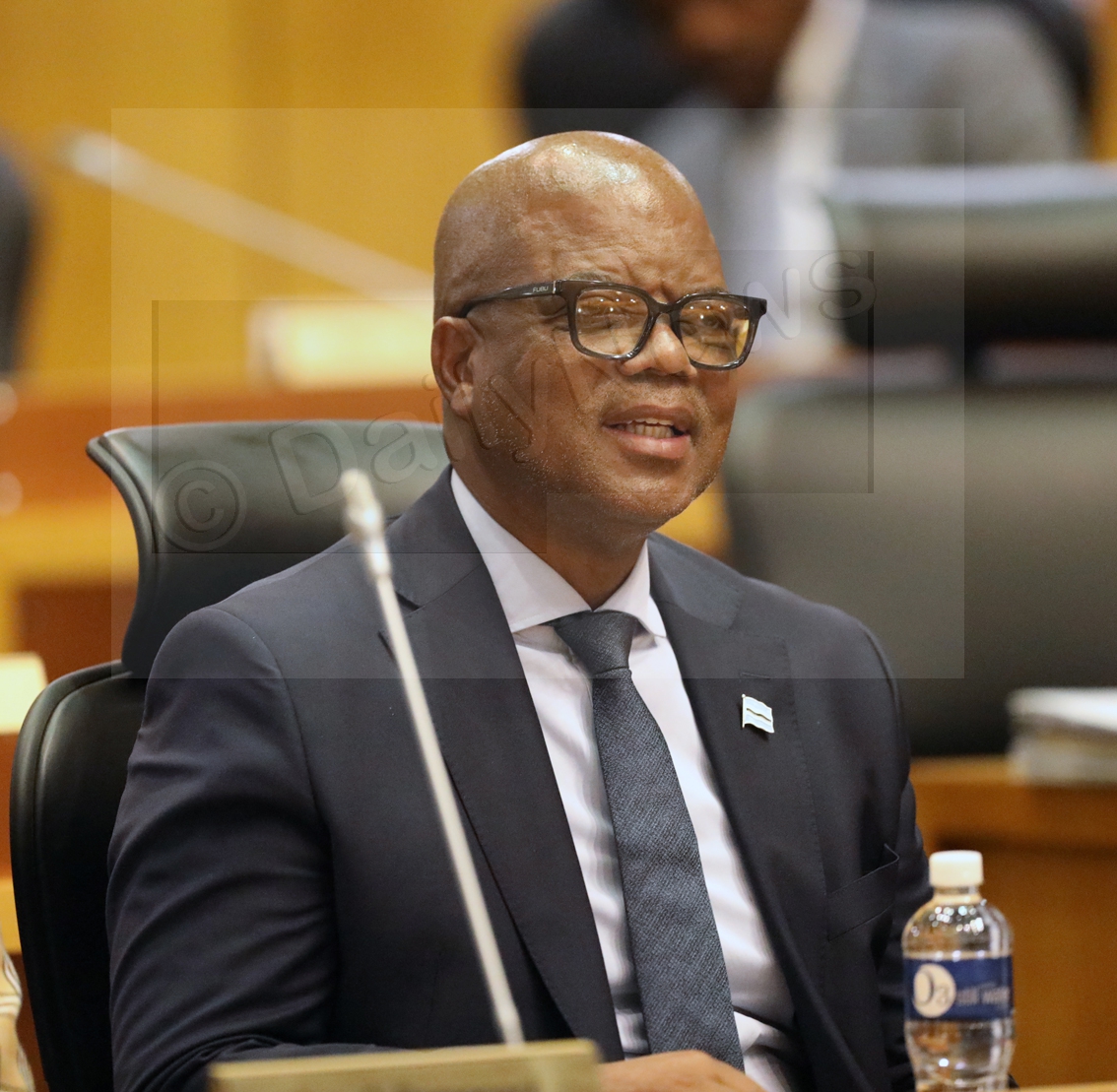
This was confirmed by acting Minister of Lands and Agriculture, Dr Edwin Dikoloti when responding to a question in Parliament on Tuesday from Letlhakeng MP, Brigadier Domcaza Mokgwathi. Dr Dikoloti told Parliament that efforts were underway to transform agriculture into a high-income, sustainable and technology-driven sector.
Key initiatives, the minister said included strengthening value chains, improving food systems to reduce reliance on imports and boosting livestock production, with a target of increasing the national cattle herd to five million.
He said the reforms were anchored on inclusive development and would ensure that no communities were left behind, including those in Letlhakeng. One of the flagship initiatives, Dr Dikoloti said was the Botswana Livestock Commercialisation Project (BoLCoP), for which Parliament recently approved a US$31.5 million (P384 million) loan.
The project, he said would cover Letlhakeng and 19 other districts grouped into four clusters and was expected to improve productivity in the small livestock sub-sector, whilst enhancing incomes and resilience among rural households through more sustainable and technology-driven value chains.
Though he said it was not possible to give precise figures on human resource deployment to Letlhakeng, over the next five years due to fiscal constraints, Minister Dikoloti indicated that government was overhauling agricultural extension services to address shortages in underserved areas.
He explained that the new model would combine public and private sector participation and integrate traditional extension approaches with modern information and communication technologies.
Additionally, he said Letlhakeng was expected to benefit from multiple programmes, including BoLCoP, which targeted 50 000 households and 200 000 beneficiaries nationwide, as well as ongoing extension reforms.
“Among these is the A Di Tsale programme, a private sector-led initiative designed to support clustered farmers with modern livestock management and reproductive technologies to improve productivity,” he said.
Furthermore, Dr Dikoloti said the area would benefit from a fodder strategy supported by the Food and Agriculture Organisation (FAO), which aimed to stabilise feed supply, reduce dependence on imports and promote sustainable agricultural practices.
He also noted that Letlhakeng’s underground water resources positioned it well to take advantage of the initiative, which was also expected to create jobs and strengthen food security.
However, the minister acknowledged persistent logistical challenges in the district, revealing that Letlhakeng currently had only six operational vehicles, one quad bike and two ageing tractors, which continued to hamper extension service delivery.
The district, he said required at least 15 additional vehicles at an estimated cost of P12 million, excluding other essential equipment.
Minister Dikoloti also reiterated that government planned to improve service delivery through a blended financing model that combined public funding with private sector and non-governmental organisation partnerships to leverage additional financial, technical and managerial capacity.
The ministry, he said was guided by clear performance targets aimed at building a diversified, resilient and export-oriented agricultural sector that enhanced food security, reduced imports and drove economic growth.
“These targets form part of the National Development Plan 12 framework, which tracks indicators such as cereal production growth, cattle population increases, reduced food imports and job creation, in line with Botswana’s broader national development vision,” he added.
Brigadier Mokgwathi had asked the minister to apprise Parliament on the state of agriculture in Letlhakeng constituency over the coming five years, with particular focus on human resource placement and welfare considerations, bemoaning that the area lacked basic social amenities.
Letlhakeng MP also sought clarity on the envisaged agricultural development for the constituency, including the specific or estimated number of support servicing equipment such as vehicles, the projected costs of such requirements, whether the ministry had practical Key Performance Areas (KPAs) and Key Performance Indicators (KPIs), as well as whether the considerations formed part of government’s broader food security strategy and long-term Vision 2036. ENDS
Source : BOPA
Author : BOPA
Location : Gaborone
Event : Parliament
Date : 01 Apr 2026
Related News

25 Aug 2026
Forensic audit generates 90 priority actions
25 Aug 2026