



Fuel supply remains stable
30 Mar 2026
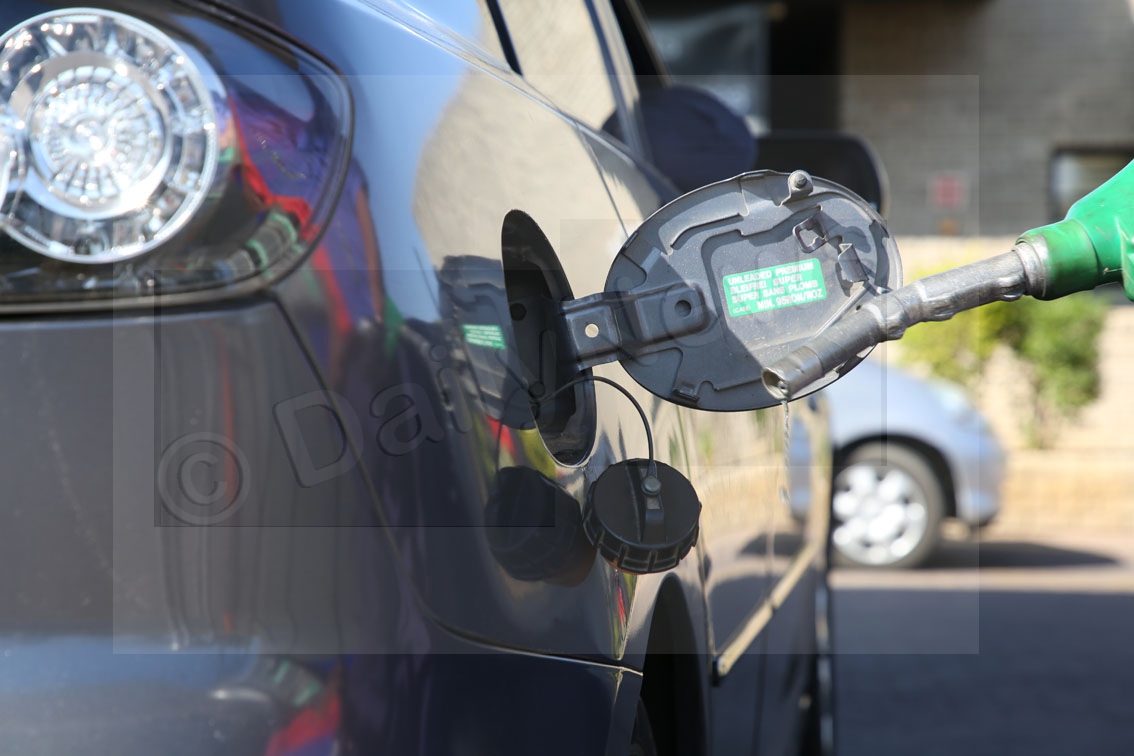
Botswana’s petroleum supply and national energy security are currently stable despite sharp increases in global crude oil prices triggered by escalating conflicts in the Middle East. In a recent statement delivered in Parliament, Minister of Minerals and Energy, Ms Bogolo Kenewendo, detailed the impact of geopolitical developments on international fuel markets and outlined the measures that government had taken to safeguard local supplies.
Minister Kenewendo said Brent crude oil prices had risen dramatically in recent weeks with average prices having surged 38.1 per cent from US$69.37 per barrel in February 2026 to US$97.23 per barrel by 26 March, 2026. She said daily prices climbed from US$77.74 at the start of March to US$107.81 on March 26, with peaks reaching US$119.50 per barrel on March 9, levels not seen in four years.
The minister attributed the spike to attacks on shipping and energy facilities, threats to tanker traffic through the Strait of Hormuz, higher war risk insurance premiums, disrupted maritime routes, elevated freight costs and speculative trading.
While some international interventions, such as strategic reserve releases, provided limited relief, she said the overall market remained volatile. She indicated that following the latest update, Botswana’s fuel reserves provided a reasonable buffer.
She said strategic stocks stood at 10.56 days of consumption, up slightly from 10 days the previous week, while commercial stocks increased to 24.1 days from 20.8 days previously. The total volume of fuel stocks held by importers and wholesalers, she said was 43.5 million litres, comprising 31.5 million litres of diesel and 12 million litres of petrol, a modest decrease from 46.8 million litres. An additional 32.2 million litres, including 12.8 million litres of diesel and 19.4 million litres of petrol, she said were in transit to Botswana.
However, she said the figures excluded product held at retail sites. Parliament heard that Botswana Oil Limited alone held 33.1 million litres, consisting of 8.9 million litres of ULP 95 and 24.2 million litres of diesel while government strategic storage capacity currently stood at 62.5 million litres, equivalent to approximately 18.9 days of prevailing national consumption.
Ms Kenewendo highlighted ongoing projects to bolster strategic reserves, including the Francistown depot which was being expanded by 60 million litres, while a new strategic storage depot was under construction at Ghanzi with 30 million litres capacity. Upon completion of the two projects, she said national strategic storage would increase to 152.5 million litres, equivalent to 46.2 days of cover. She added that plans were also underway for the Tshele Hills facility with a capacity of 187 million litres, which would ultimately bring the total strategic stock cover to 102 days.
To counter potential disruptions, she said government had implemented several proactive steps, including engagement with suppliers and strengthened supply planning, expedited leasing of coastal storage facilities in Mozambique and Namibia to diversify import routes, increasing monthly procurement volumes to build buffer stocks and continuous monitoring of global supply dynamics for early intervention.
“These actions aim to enhance resilience against logistical and geopolitical shocks,” she said.
The minister noted that the drop in commercial stock volumes partly stemmed from higher international prices, as traders had shifted from contract arrangements to more expensive spot selling, which included additional premiums, which had created financial pressure on local importers.
She further told Parliament that Botswana imports refined petroleum products and their prices had risen sharply, with Unleaded Petrol 95 (ULP 95) increased by nearly 60 per cent from US$79.70 to US$127.29 per barrel and diesel rose by 91 per cent from US$91.18 to US$173.93 per barrel, while illuminating Paraffin surged by 111 per cent from US$90.97 to US$191.87 per barrel. To protect consumers, she said pump prices had not been increased since the escalations began, adding the National Petroleum Fund (NPF) had been used to cushion the impact.
However, Ms Kenewendo warned that the fund was no longer in a position to continue absorbing such under-recoveries, meaning that future price adjustments may become necessary. She cautioned that the cost of importing fuel itself could evolve into a security of supply concern if the situation persisted.
The minister emphasised that government, through the Botswana Energy Regulatory Authority (BERA), continued to monitor international price movements daily.
She said while the global outlook remained challenging, current stocks and planned deliveries provided short- to medium-term stability.
Nonetheless, she said government was committed to safeguarding national energy security. Commenting on the statement, Leader of the Opposition, Mr Dumelang Saleshando, asked the minister to provide Parliament with expected dates for the completion of the Francistown depot expansion.
He recalled that the country faced fuel shortages in 2021 due to a regional crisis and noted that Botswana had yet to fully establish adequate strategic reserve depots.
Mr Saleshando further inquired whether government would develop an inter-ministerial response to protect citizens from fuel price hikes, warning that increases would affect food prices and taxi fares.
He asked if it would not be ideal for government to come up with a coordinated strategy to shield vulnerable sections of the economy and those at the margins from the impact of rising fuel prices. ENDS
Source : BOPA
Author : BOPA
Location : Gaborone
Event : Parliament
Date : 30 Mar 2026
Related News

25 Aug 2026
Forensic audit generates 90 priority actions
25 Aug 2026