



Gaolathe tables Bill to increase debt ceiling to 60 per cent
26 Mar 2026
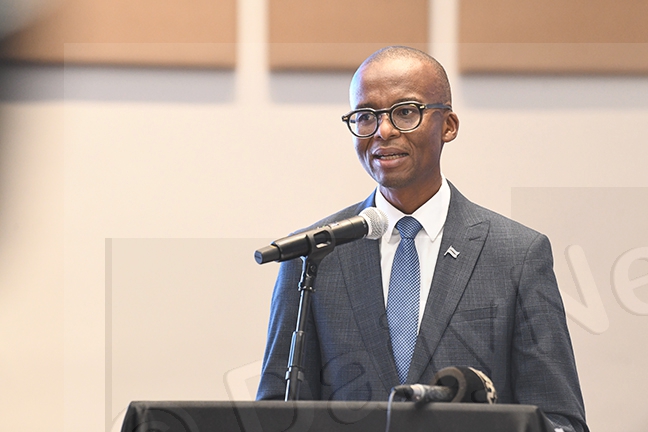
Minister of Finance, Mr Ndaba Gaolathe, has tabled a Stock, Bonds and Treasury Bills (Amendment) Bill, which seeks to raise Botswana’s public debt ceiling from 40 per cent to 60 per cent of Gross Domestic Product (GDP).
Tabling the Bill before Parliament on Wednesday, Minister Gaolathe explained that the proposed amendment, which also sought to revise Section 20 of the Stock, Bonds and Treasury Bills Act of 2005, was essential for maintaining the nation’s macroeconomic framework and debt sustainability.
“It is important to locate the amendment within Botswana’s broader macroeconomic framework, particularly the debt-to-GDP ratio, a key international indicator used to assess the sustainability of public debt. A moderate and well-managed debt-to-GDP ratio demonstrates that a country retains the capacity to service its debt obligations without undermining macroeconomic stability,” Mr Gaolathe said.
He noted that Botswana’s total public debt had risen over the years, with domestic debt increasing significantly. He indicated that since the introduction of government bond issuance programme in 2004, the country had made deliberate efforts to develop the domestic capital market and establish a benchmark yield curve to guide pricing of debt instruments by other issuers.
Mr Gaolathe explained that although the initial proceeds from bond issuance were meant to finance the national budget, they were largely used for market development and liquidity management purposes. He added that over time, particularly during periods of economic shocks, domestic debt had shouldered a greater share of budget financing compared to external borrowing.
“Delays in securing external funding have often forced government to rely more heavily on the domestic market, sometimes accepting higher yields to ensure timely access to financing,” he said.
He further said the budget deficits recorded in the 2024/25 and 2025/26 financial years were largely financed through the issuance of government bonds and treasury bills. The minister stressed that the experience had underscored the need to maintain adequate fiscal headroom within the statutory borrowing framework.
“The proposed increase from 40 per cent to 60 per cent of GDP is a proactive measure aimed at providing the necessary flexibility during periods of economic stress. It will ensure continuity in financing essential public services and development programmes while preserving macroeconomic stability,” he said.
Mr Gaolathe clarified that the amendment did not mean that government intended to borrow up to the new limit immediately, but it created prudent headroom within a rules-based framework approved by Parliament.
He underscored that sound debt management was not only about the quantum of borrowing, but also the strength of the legal framework governing it. A robust framework, he said, ensured clarity of authority, reinforced parliamentary oversight, promoted transparency, strengthened accountability and provided predictability to investors.
Mr Gaolathe further said international best practices advocated by the International Monetary Fund, the World Bank and rating agencies all emphasised the importance of clear legal mandates, defined borrowing limits, transparent reporting and strong risk management. He said the amendment modernised Botswana’s legal framework to align it with evolving fiscal realities while preserving fiscal discipline.
“The proposed increase of the statutory ceiling from 40 per cent to 60 per cent of GDP is not a departure from prudent financial management, but a strengthening of the country’s creditworthiness. This is a measured adjustment that provides adequate fiscal headroom and efficient risk management while maintaining fiscal discipline within a rules-based framework,” he said.
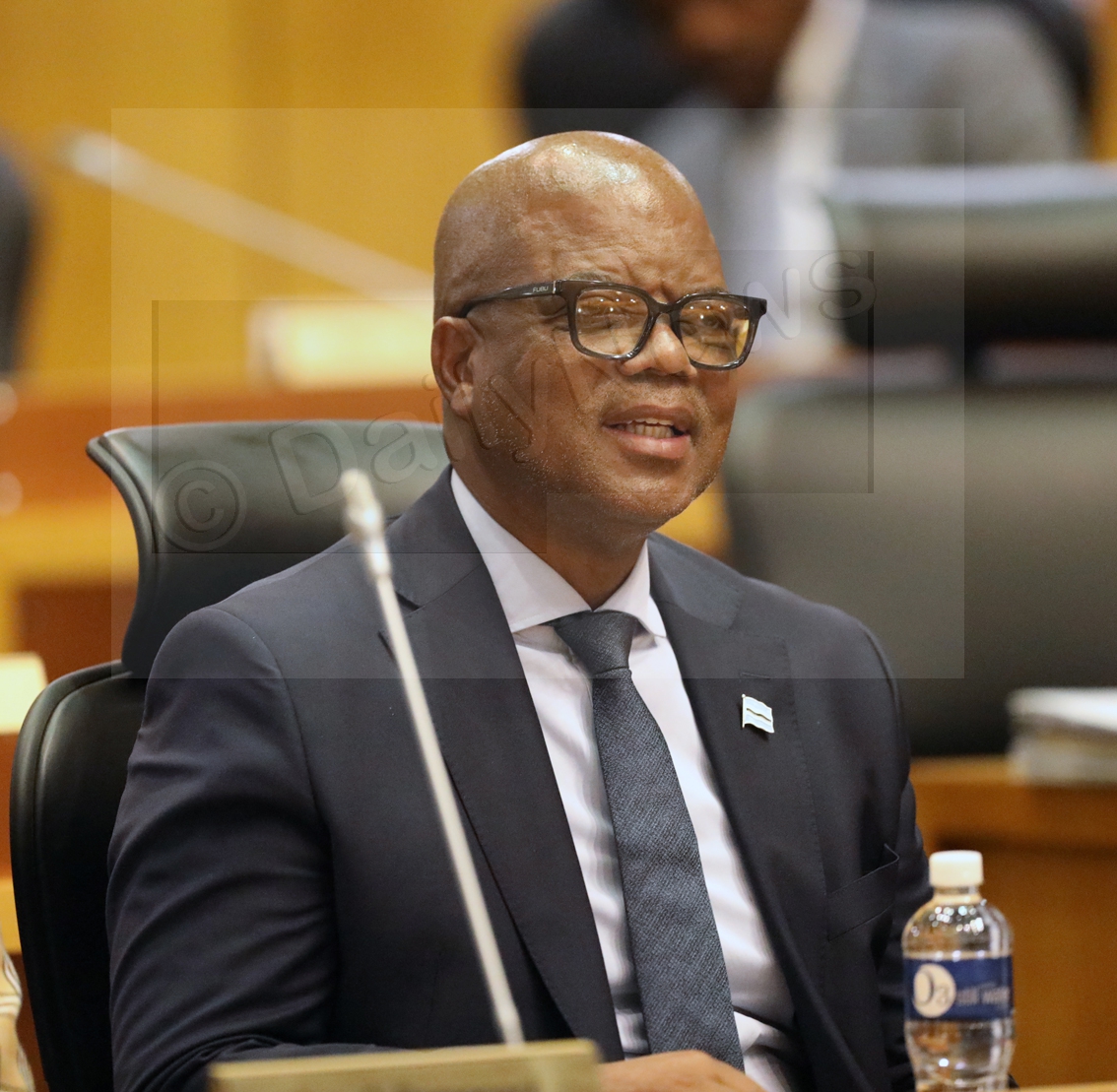
Contributing to the debate, Leader of the Opposition, Mr Dumelang Saleshando, welcomed the proposed amendments, describing them as a necessary safeguard to prevent the country from accumulating unmanageable debt in the future. Mr Saleshando, however, urged the minister to develop a clear fiscal consolidation plan, coupled with transparent cost-cutting measures that targeted wastage.
He called for the introduction of legislation to hold accounting officers personally accountable for wasteful expenditure and recommended a significant reduction in travel expenses. He also suggested a thorough review of State-Owned Enterprises (SOEs) that were not generating profits or meaningful returns, with a view to possible closure. BOPA
Source : BOPA
Author : Marvin Motlhabane
Location : Gaborone
Event : Parliament
Date : 26 Mar 2026
Related News

25 Aug 2026
Forensic audit generates 90 priority actions
25 Aug 2026