


Domestic revenue below potential
23 Mar 2026
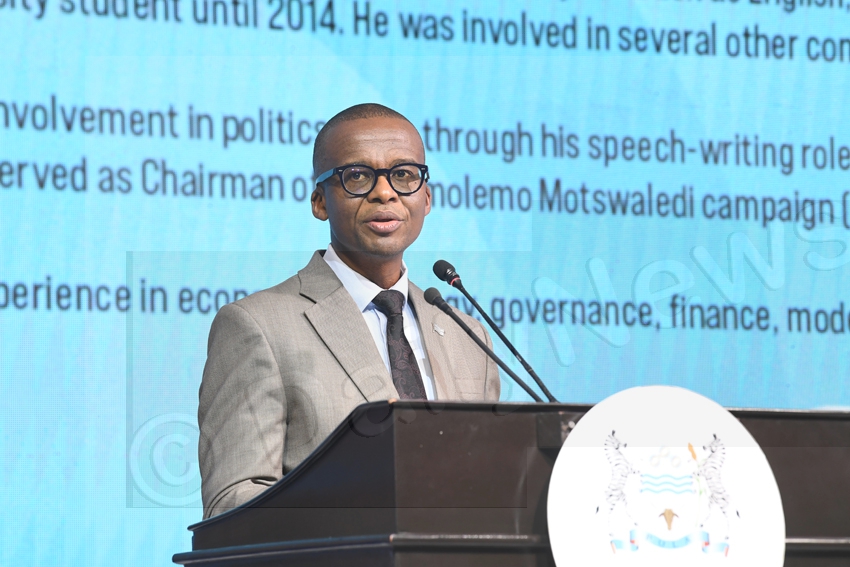
Vice President and Minister of Finance, Mr Ndaba Gaolathe has called for bold tax reforms, warning that Botswana stands at a pivotal moment in securing a sustainable economic future.
Speaking at the inaugural two-day Tax Pitso in Gaborone on Thursday, held under the theme: Shaping Botswana’s Future Tax System: Dialogue for Fair and Sustainable Tax Reform, he said the forum was more than a procedural gathering, describing it as a critical platform for meaningful dialogue and collective action to transform the country’s fiscal landscape.
Mr Gaolathe said the Pitso had been convened at a time when Botswana’s economic outlook required urgent and well-considered intervention.
He noted that while the country’s long-standing reliance on mineral revenues, particularly diamonds, had served as a pillar of growth and development, enabling the nation to build institutions, expand infrastructure and uplift lives, the model was now under strain due to declining revenues, global economic uncertainties, and rising social demands.
Botswana’s domestic revenue mobilisation, he said, remained below potential, with the tax-to-GDP ratio estimated at about 13.4 per cent lower than the African average and comparable economies in the region.
He also said unless Botswana mobilise more of its own resources, the ambition of becoming a high-income nation would remain beyond reach, stressing the urgency of building a modern, fair, and efficient tax system.
Mr Gaolathe warned that delaying reforms would deepen fiscal pressures, weaken public services, and shift the burden to future generations, while proactive measures would strengthen resilience and sustainability.
Among ongoing reforms, he highlighted plans to consolidate the Value Added Tax Act and the Income Tax Act into a comprehensive Tax Administration Act to streamline procedures, reduce duplication, and improve compliance.
He noted that the current Income Tax Act, last reviewed in 1995, had become outdated and complex, increasing the risk of inefficiencies and misinterpretation.
Additionally, a forthcoming VAT Bill is expected to expand coverage to digital services and products, ensuring the tax system keeps pace with economic changes. The harmonisation of administrative provisions under the new Tax Administration Act will facilitate ease of compliance and improve the overall experience of doing business in Botswana.
The proposed reforms also include modest tax adjustments for higher-income earners and corporations, guided by fairness and ability to pay. Government further plans to support small businesses through simplified tax regimes, broaden the tax base to include emerging sectors such as digital and remote services, and strengthen compliance through real-time transaction monitoring.
Mr Gaolathe acknowledged concerns about the impact of reforms on households and businesses, emphasising that the Pitso was intended to gather public input to shape the final outcome.
In his welcome remarks, acting Commissioner General of the Botswana Unified Revenue Service, Mr Phodiso Valashia said the 2026/27 Budget marked a shift from reliance on mineral exports toward productivity, private sector growth, and domestic revenue mobilisation.
He cited urgent challenges, including the need to build fiscal buffers and enhance economic resilience, noting that Botswana was currently facing a revenue shortfall of over P1.5 billion affecting key projects such as water infrastructure, energy expansion, and small business support.
Mr Valashia called for a stronger culture of tax compliance, urging citizens and businesses to contribute fully.
Government aims to increase the tax-to-GDP ratio to at least 18 per cent by 2026/27, up from the current 13 per cent. ENDS
Source : BOPA
Author : Ndingililo Gaoswediwe
Location : GABORONE
Event : Inaugural two-day Tax Pitso
Date : 23 Mar 2026
Related News

10 Oct 2026
Feature Reliving the Long March 90 years on

09 Oct 2026