

Maternity clinics to have generators
23 Feb 2014
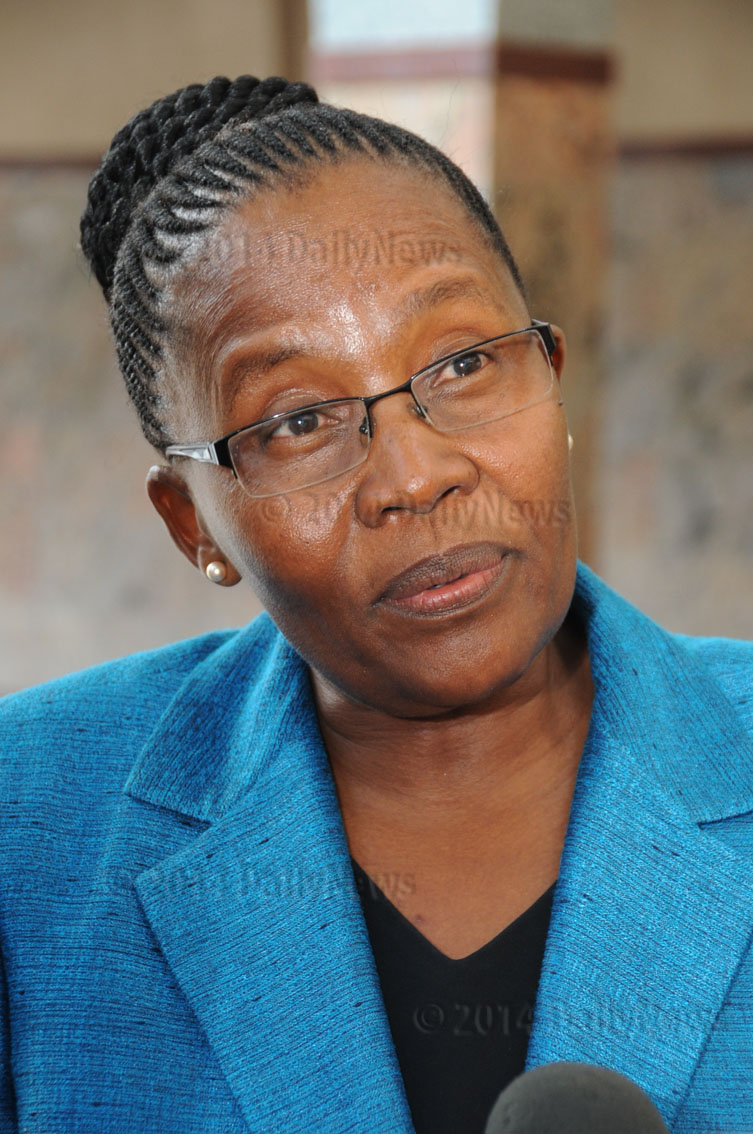
The Assistant Minister of Health, Dr Gloria Somolekae has said that plans are underway to equip clinics with maternity wards with backup generators.
She noted the generators would address challenges faced by midwives during electricity blackouts. Dr Somolekae was responding to concerns raised by Mabutsane District Health Management Team (DHMT) employees when addressing them recently.
The DHMT head, Ms Kefentse Kgadisa had noted that out of the nine health facilities in the sub-district, two had maternity wards, one of which was a 24-hour clinic. She underscored the need for back up generators so they could effectively deliver on their services, especially in the maternity wards.
She noted that even though Keng and Sekoma clinics were electrified last year, staff houses were not electrified. The lack of electricity at staff houses and shortage of accommodation for employees, she said, had contributed to shortage of staff in the area.
Ms Kgadisa noted that this had resulted in shortage of midwives in the sub-district, which forced people to work overtime. “Mabutsane clinic has only five midwives despite the fact that it is a 24-hour facility. This results in long working hours for midwives,” she explained.
Furthermore, she said staff shortage had also affected the former industrial class cadre because of government’s freeze on new posts. However, she noted that hey were working on engaging a private security company to alleviate the challenge of shortage of night watchmen.
Even though she appreciated the sanction to fuel at private filling stations, the DHMT head said there was still a challenge to her sub-district because the nearest fuel points were 120km away. She noted that even though they had the opportunity to access fuel after working hours, there was still need for a government fuel point within a reasonable radius.
One of the employees, Ms Margaret Kagiso expressed concern at the inconsistency of referrals, saying it was not clear whether they had to transport first time patients only or even those on repeated visits. She said this confusion was due to the fact that there was no clear policy or any form of documentation to inform the nurses.
She also requested the ministry to assess their situation as essential services employees, especially when it came to utilities such as rent, water, and electricity bills. “As essential services we are supposed to be in the same league with the police and Botswana Defence Force, but as nurses we pay for such utilities,” she noted.
Dr Somolekae acknowledged public officers should have decent accommodation, and noted that the government was working around the clock to assess how best this issue could be addressed.She however noted it was important for the government to come up with a solution after taking into consideration the country’s financial situation.
She applauded the employees for continuing to multi task and their understanding of the government’s challenges. She noted that the decision to freeze new posts was taken over another option of retrenching workers, which could have been more painful.“The intention is to avoid overspending and at the same time sticking to the stipulated borrowing statutory policies,” she explained. ENDS
Source : BOPA
Author : Kehumile Moekejo
Location : JWANENG
Event : Meeting
Date : 23 Feb 2014
Related News

21 Jun 2026

18 Jun 2026
Commission targets youth empowerment
18 Jun 2026
Countries commit to partnership

18 Jun 2026