



Government on path to restore public health
10 Mar 2026
Government has implemented a comprehensive package of corrective measures to restore stability and strengthen resilience with the supply chain in the health sector.
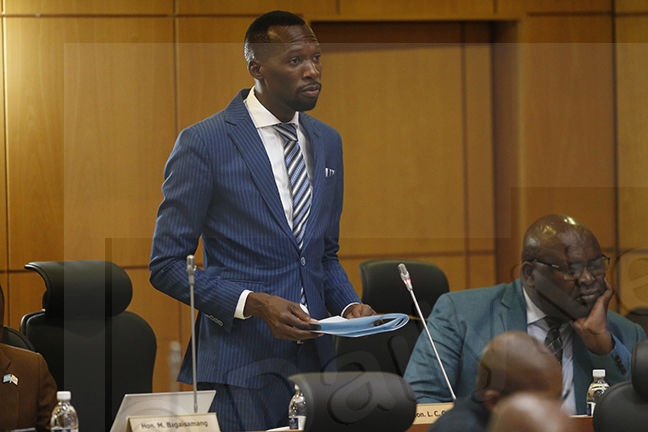
Responding to a parliamentary question on Monday, Assistant Minister of Health, Mr Lawrence Ookeditse noted that the ministry had strengthened strategic collaboration with the Botswana Defence Force (BDF) to provide operational and logistical oversight to stabilise procurement and distribution functions.
Mr Ookeditse said a national logistics task force was established, supported by the Presidential task force and BDF, to oversee strategic planning, emergency procurement, inventory management and coordinated nationwide distribution of essential medicines.
He added that international orders which were secured during the state of public health emergency had commenced delivery and they had significantly stabilised the stock levels. He said government was also at an advanced stage of finalising a government-to-government credit line facility with the government of United Arab Emirates (UAE) which would strengthen long term sustainability and maintain buffer stocks.
He said in order to address immediate shortages, loans of medicines were sought through bilateral arrangements from neighbouring countries to ensure continuity of care while awaiting international consignments. He added that supply of Antiretroviral and other chronic medicines had been secured and were currently improving for ensuring continuity of treatments.
Mr Ookeditse said while the crisis presented significant challenges the decisive declaration of the emergency combined with coordinated national and international support had placed the country firmly on a path towards recovery.
He said focus was geared towards consolidating the gains, institutionalising structural reforms and building a resilient and transparent medical supply chain system capable of preventing such recurrence. Mr Ookeditse further said on August 25 last year, the President officially declared a nationwide state of public health emergency following a catastrophic disruption of the national medical supply chain.
He said the decisive action was taken after noticing the warning signs in August as clinics and hospitals were experiencing critical shortage of life saving medicines and essential health commodities. He said at the onset of the emergency availability of highly critical medicines particularly those required for resuscitation and post-resuscitation management had fallen to alarmingly low levels to 17 per cent.
Mr Ookeditse said through intensified emergency procurements, coordinated distribution and strengthened monitoring their availability improved to 32 per cent by the end of the emergency period.
He highlighted that major improvements in availability were only realised in the post-phase of the emergency period when the procured goods were delivered resulting in a further recovery of medicines availability now standing at 64 per cent at health facilities. He said with respect to ARVs, government prioritised uninterrupted access to ARV treatments as a matter of national importance.
He said 12 months’ supply of all ARV regimens had been secured through international suppliers and multilateral partners. He noted that at the start of the emergency period, the average availability for ARVs was 71 per cent and due to the procurements undertaken during the emergency period, sustained deliveries of ARVs contributed to an availability of 73 per cent by end of February this year.
Mr Ookeditse said similar arrangements had been secured for medicines to safeguard continuity of care for cancer and other chronic illnesses. He said supplies secured through UAE comprising of 338 different products for a coverage of over 7.5 months had begun arriving from the third week of February.
“These include medicines for hypertension, diabetes, epilepsy, infectious diseases and other chronic and acute conditions that would provide much-needed relief across the health system,” he said.
He added that the medicine stock-out crisis exposed systemic operational vulnerabilities within the healthcare sector as supply disruptions resulted in delays for some elective and urgent surgical procedures as well as interruptions in treatments.
He said the strain extended beyond the normal functions such as forecasting, procurement, logistics and distribution underscoring the need for structural reforms for the supply chain system.
Tswapong South MP, Dr Kesitegile Gobotswang had asked the minister to appraise on the state of public health emergency that was declared by President Advocate Duma Boko last year.
Dr Gobotswang had also asked the minister to state the baseline of essential and non-essential drugs as well as ARVs at the time the public emergency was declared and the levels of the same supplies at the time the state of emergency ended.
He again, asked the minister to state operational failures that were documented during the emergency and corrective measures that were put in place and resultant improvements observed. BOPA
Source : BOPA
Author : BOPA
Location : Gaborone
Event : Parliament
Date : 10 Mar 2026
Related News

25 Aug 2026
Forensic audit generates 90 priority actions
25 Aug 2026