



Ministry requests P8.7bn to revatilise healthcare
09 Mar 2026
The Ministry of Health’s 2026/27 budget prioritises some reform programmes aimed at restoring healthcare systems.
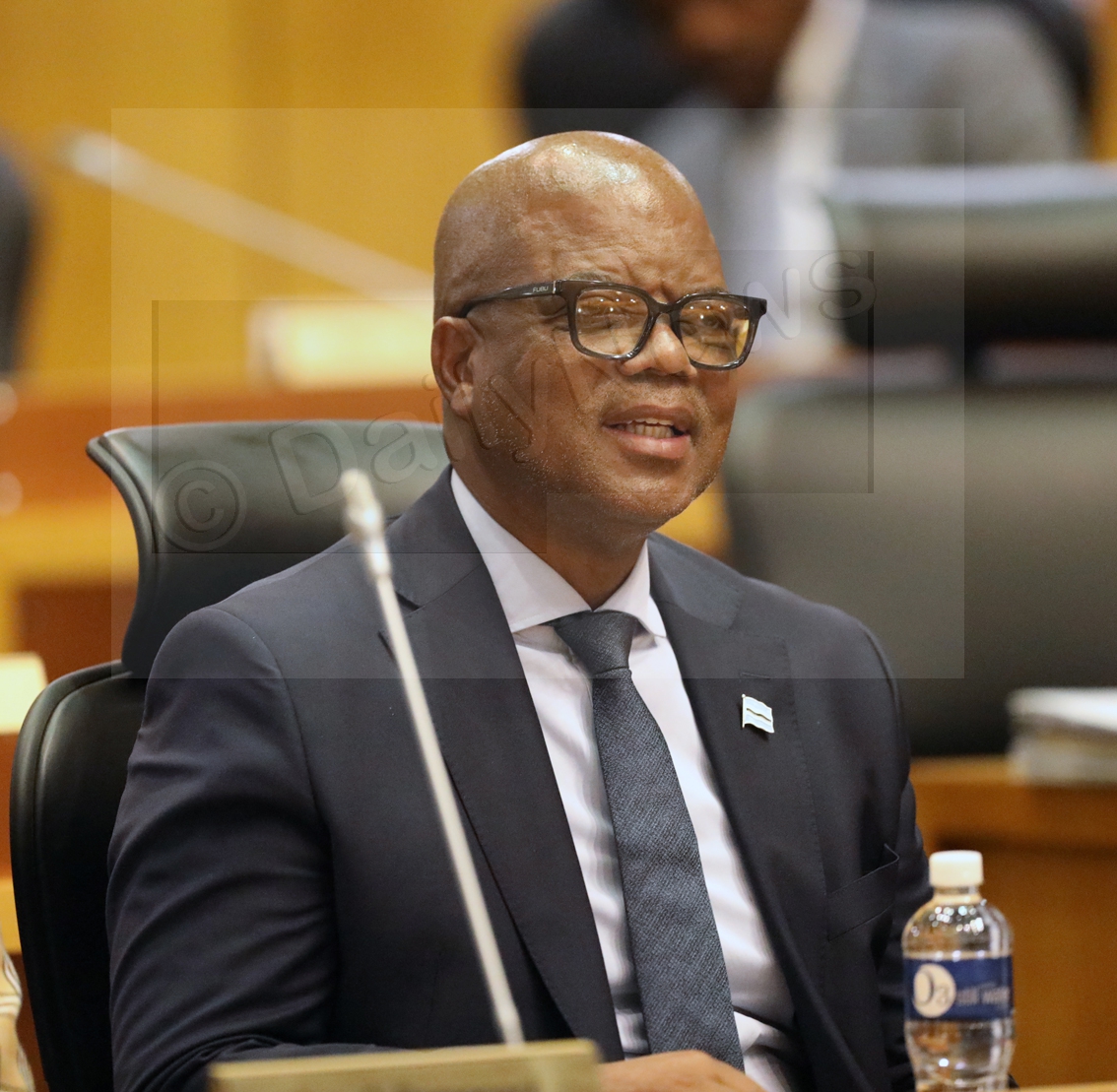
Presenting the ministry’s budget estimates for the next financial year recently, Assistant Minister of Health, Mr Lawrence Ookeditse said the reforms sought to establish a reliable, resilient health systems and address critical operational gaps in healthcare delivery.
Mr Ookeditse said the transitioning of Central Medical Stores (CMS) into an independent entity was one of the reforms that sought to establish sustainable supply chain that guaranteed national commodity security.
“This will further require legislative and policy reforms to enhance operational efficiency, ensure sustainable financing and enable strategic sourcing of quality-assured products at competitive prices,” he said.
Another reform, he said was digitilisation of inventories with key health facilities and their integration with health information management systems that would enable end-to-end traceability and real-time stock visibility.
“This intervention will strengthen inventory control, reduce wastage, improve forecasting, promote equitable distribution and support Universal Health Coverage,” he said.
He added that the immediate target was to digitalise and integrate at least 20 per cent of facilities that accounted for 80 per cent of CMS supply volumes. He told Parliament that digitalisation and integration of inventories project would be financed by the World Bank through the electronic Logistics Management Information System (eLMIS) initiative.
Furthermore, Mr Ookeditse said the outsourced distribution services would be expanded to improve last-mile access in hard-to-reach areas.
“Expedited write-off and disposal of obsolete and expired stock will also be prioritised to reduce storage pressures and recurring management costs,” he said.
Parliament also learnt that the ministry was embarking on a transformative regulatory framework for the health sector aimed at modernising oversight, strengthening health security and enhancing public trust in the health, pharmaceutical and food industries.
“These reforms will review outdated laws, close regulatory gaps and stimulate innovation and industry development while ensuring the highest standards of public health protection,” he added.
On other issues, Mr Ookeditse indicated that revitilisation of primary healthcare was meant to ensure equitable access to essential health services for all.
In that regard, he said relocation of primary health care services to the Ministry of Local Government and Traditional Affairs was intended to strengthen decentralised service delivery, enhance coordination at local level and bring health services closer to the communities, thereby improving access, responsiveness and overall health outcomes.
Meanwhile, the ministry’s budget proposals for the financial year 2026/27 amounts to P8.1 billion for recurrent budget and P653.9 million under the development budget.
The largest share of the proposed overall budget would be allocated to the Department of Public Health headquarters at P2.1 billion, mostly to cater for salaries and allowances at 92 per cent of the amount while eight per cent of it would be allocated to operational expenses under the department’s headquarter.
The second largest share of the proposed overall budget would be allocated to the ministry headquarters at P1.4 billion, while P461.5 million was earmarked for the employer contributions towards Medical Aid for all civil servants, both the central and local government, as well as pensioners who opted to remain in the fund.
The other significant allocation under the ministry headquarters would be chanelled to mission hospitals, NGOs, National Health Insurance, partnerships, Sir Ketumile Teaching Hospital and BoMRA subventions with a total of P576.4 million.
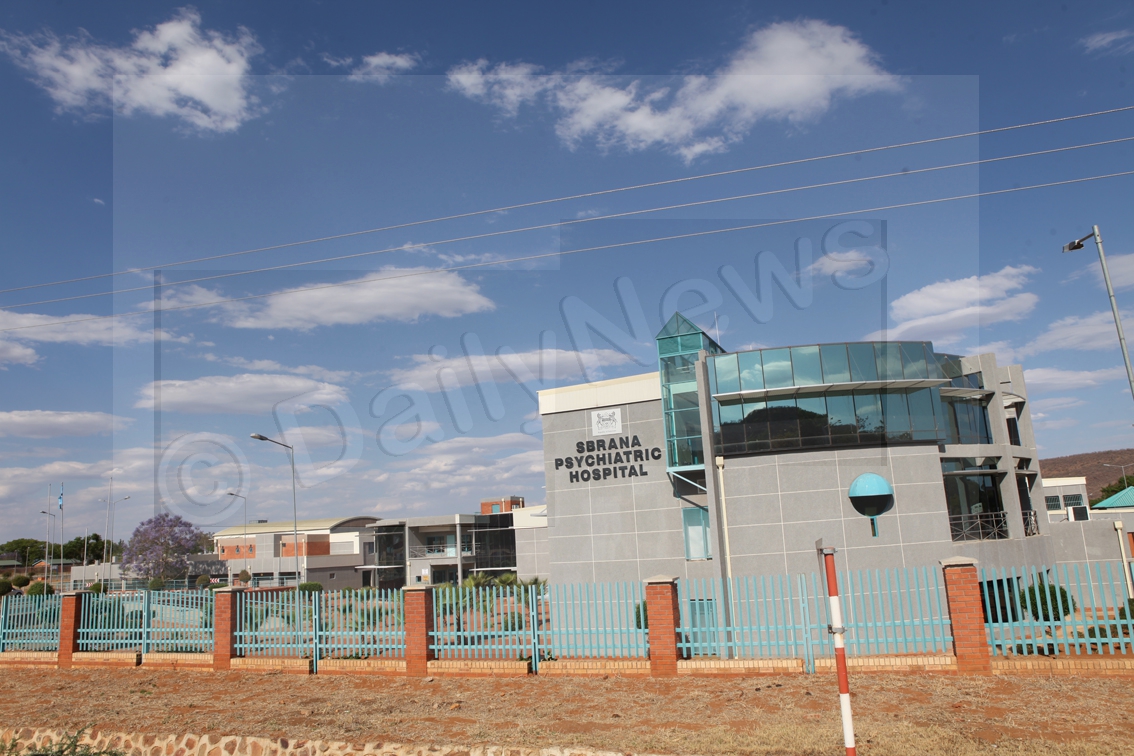
The third largest share of P1.9 billion of the ministry’s proposed overall budget would be allocated to CMS while P2.7 billion would be shared by the ministry departments which included health inspectorate, Botswana Public Health Institute, clinical support services, nursing and midwifery services, referral hospitals including Nyangabgwe, Princess Marina, S’brana, Primary Health Care (PHC), Specialised Health Care (SHC), National Health Laboratory (NHL), health services as well as National AIDS and Health Promotion Agency (NAHPA).
On one hand, the ministry’s development budget would focus on modernising and refurbishing existing infrastructure during the next financial year in order to optimise services to the citizens and P653.9 million would be used to continue with implementation of development projects that remained under its purview that included among others, commencement of works at Tutume Primary hospital, construction of staff houses for health personnel, refurbishment of primary hospitals as well as designs for Letlhakeng and Gumare Level I primary hospitals.
About P62.5 million would be allocated to the ministry headquarters for consultancies, computerisation and fleet expansion programmes. Funds would also facilitate implementation of National Health Insurance consultancy, digitalisation of health services project, Quality Information Management System (QIMS), health care standards and procurement of vehicles both non-ambulance and ambulance fleet. BOPA
Source : BOPA
Author : Mmoniemang Motsamai
Location : Gaborone
Event : Parliament
Date : 09 Mar 2026
Related News

25 Aug 2026
Forensic audit generates 90 priority actions
25 Aug 2026