


Malaria claims life as cases rise
17 Feb 2026
The Northwest District has recorded 38 confirmed cases of malaria since the start of the season, November 2025 to January with one casualty of an 83-year-old, underscoring the seriousness of the outbreak in the district.
Despite that, the North West District authorities have expressed a growing challenge where nearly 1 000 households have refused indoor spraying meant to control the disease.
North West Disctrict Council (NWDC), Deputy Council Secretary for Primary Health, Dr Sandra Maripe said the rising number of Malaria cases signal a pressing public health concern, particularly as nine villages have already been affected, with Botshabelo and Moeti ward among the hardest hit areas during the current peak.
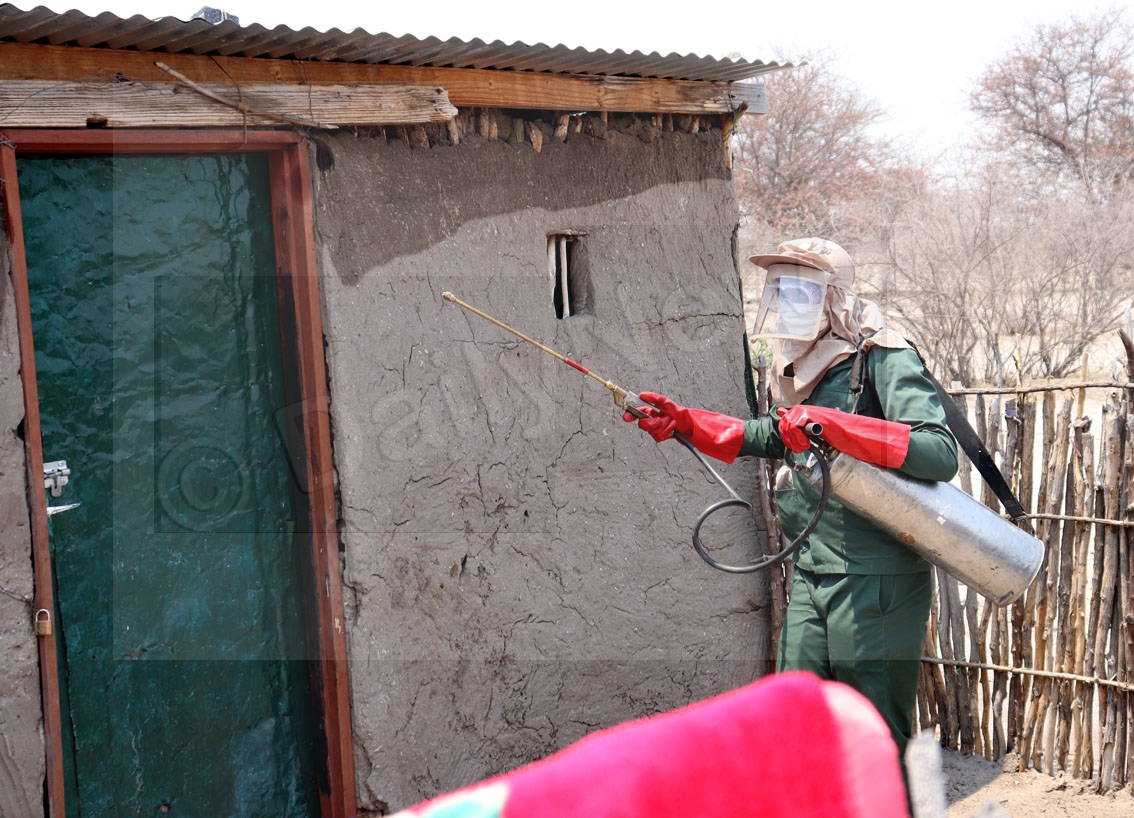
From October to December alone, 964 residents refused Indoor Residual Spraying (IRS), a prevention method considered one of the most effective tools in controlling malaria transmission.
“People are refusing to open up their houses for the IRS and it is very concerning as cases continue to rise especially during this rainy season,” she said.
Health teams also encountered operational setbacks, with 2,590 residents absent when spraying teams arrived and 1,013 houses found locked and inaccessible, significantly slowing containment efforts.
IRS involves spraying the inside walls of homes with insecticide to kill mosquitoes that transmit malaria, effectively reducing infection rates within households and across communities.
Dr Maripe stressed that malaria control depends on collective responsibility, warning that refusal to allow spraying weakens community-wide protection
“Spraying is a protective measure for families and neighbors alike, and without cooperation, the disease continues to circulate,” she said.
Rural areas remain heavily targeted for spraying due to their vulnerability to mosquito breeding, particularly during the rainy season when stagnant water increases transmission risks.
The Okavango Delta region, characterised by wetlands that naturally attract mosquito populations, remains another area of concern, prompting the distribution of 2 031 mosquito nets to camps to reduce exposure.
To strengthen the response, nurses are being flown into the Delta communities to provide medical attention and support early treatment, a crucial step in preventing severe illness and fatalities.
Dr Maripe further urged households to maintain clean environments, eliminate stagnant water, and consistently use mosquito nets, noting that hygiene and environmental management play a vital role in reducing mosquito breeding.
With one life already lost and dozens infected, district authorities warn that continued resistance to IRS spraying could allow the disease to spread further, placing more vulnerable residents, particularly the elderly and children at risk.
NWDC is appealing to communities to grant access to spraying teams, saying cooperation was critical defense in preventing deaths and bringing the outbreak under control. ENDS
Source : BOPA
Author : Gaolethoo Kgatitswe
Location : Maun
Event : Interview
Date : 17 Feb 2026
Related News



10 Oct 2026
Feature Reliving the Long March 90 years on



09 Oct 2026