Genesis of the country busiest road
04 Dec 2025
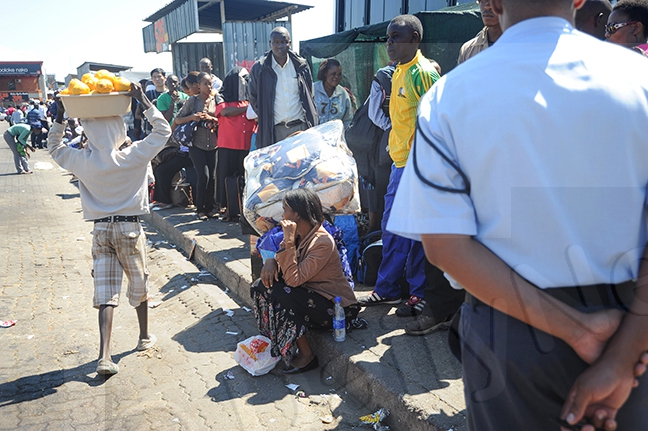
'Dijo batsadi!' A vendor’s voice cuts through the heat at Mahalapye Bus Rank, lifting a fast-food packet toward a waiting passenger as other hawkers climb aboard, singing out their pies and snacks with the easy poetry of survival.
Scenes like this greet countless travellers every December, marking the halfway heartbeat of the famed A1 Road. As the festive season settles over the country, the A1, beginning at Ramatlabama on the South African border and stretching 640 kilometres through Lobatse, Gaborone, Mahalapye, Palapye, Tonota and Francistown before reaching Ramokgwebana, becomes a living river of movement. Buses, trucks, taxis and family sedans pour into it, turning the road into a beehive of expectation.
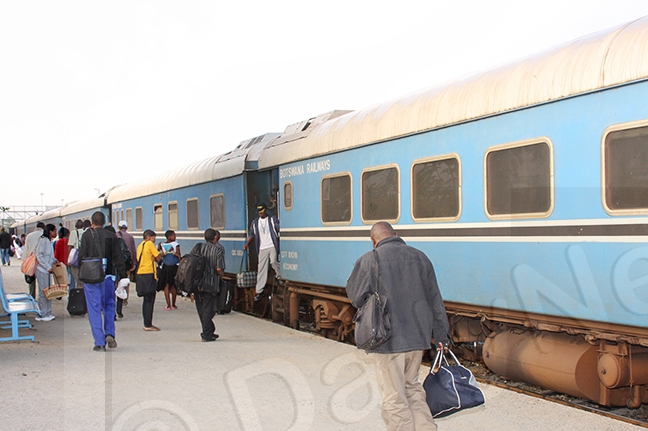
Confucius once observed that “roads were made for journeys, not destinations.” For Batswana, the A1 journey, whether by bus, combi or private car, has become inseparable from the national holiday ritual. Alongside its twin, the railway, the A1 has shaped not only mobility, but the growth of the villages, towns and small economies strung along its path.
How It Began
The story of this route begins in the ambition of Cecil John Rhodes’ British South Africa Company (BSAC), founded in 1888 with its grand “Cape to Cairo” dream of linking British territories by road and rail.
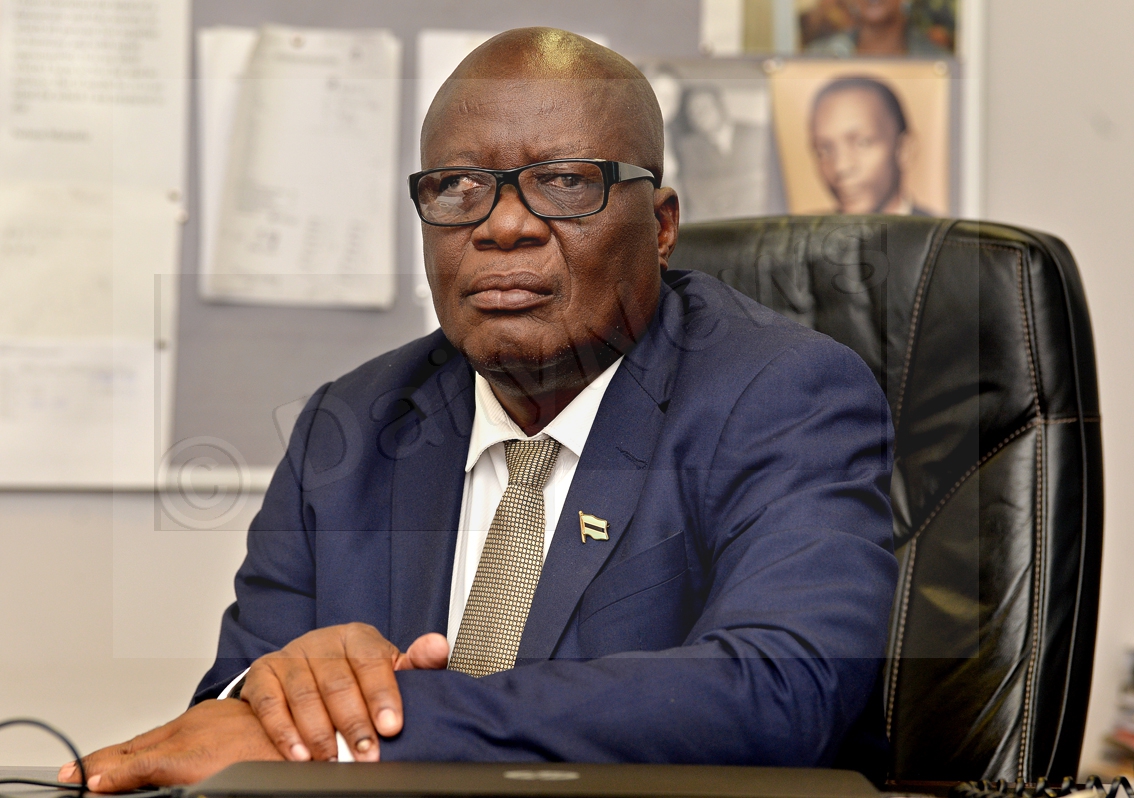
“The Three Dikgosi, Khama III, Sebele I and Bathoen I, were initially opposed,” historian Dr Jeff Ramsay recalls. “But in 1895, once they secured assurance from Queen Victoria and Colonial Secretary Joseph Chamberlain that Bechuanaland would not be handed over to Rhodes, they conceded to the building of the railway line.”
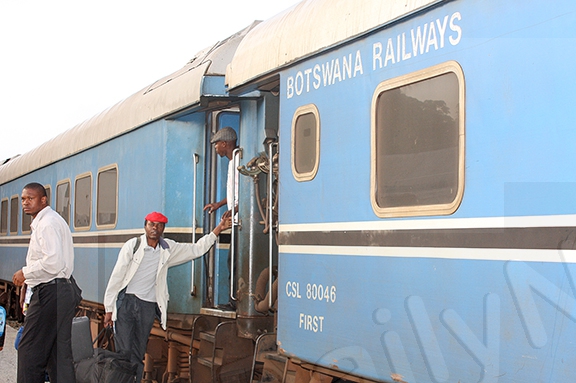
A swathe of land along the eastern border, including Lobatse Block, Gaberones Block (today’s Gaborone) and the Tuli Block — was ceded to BSAC. Construction of the railway began at Mafikeng in December 1895, reaching Mochudi, then Palapye, before finally arriving in Bulawayo in 1897.
“Before the rail and telegraph,” Dr Ramsay explains, “the road north from Mafikeng ran through Kanye, Moshupa and Molepolole to Shoshong.
But with the arrival of the new infrastructure, the route from Lobatse to Francistown was improved and became the preferred path — first for ox wagons, and later for motor vehicles.”
After independence, Botswana adopted the name A1 for this arterial road, echoing the British A1, the “Great North Road” from London to Edinburgh.
At 660 kilometres, the British road is almost the same length as its Botswana counterpart. “Tarring was done in phases,” Dr Ramsay notes.
“But even as gravel, the A1 was vital, a lifeline for commerce, for transporting goods, for linking markets and connecting communities.”
A Road That Shaped Settlements
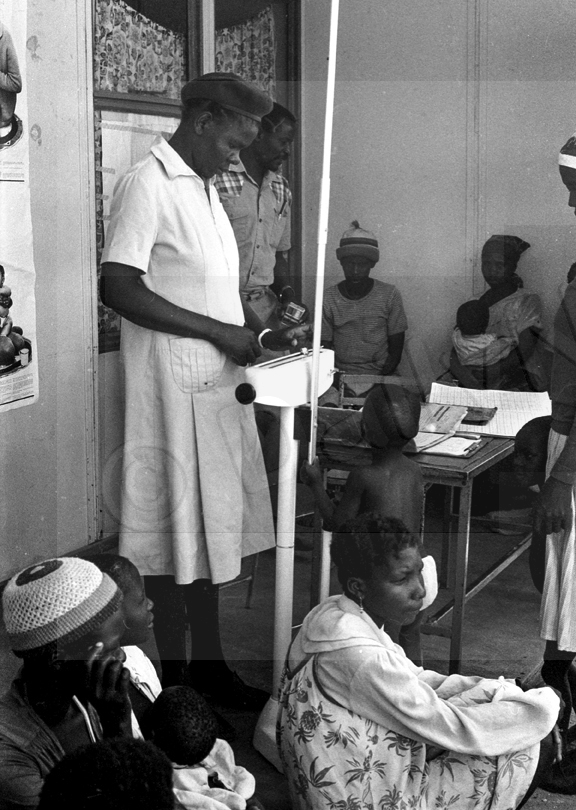
From the late 1890s, as the railway pushed northward, new sidings and settlements emerged: Pitsane, Pilane, Artesia, Mahalapye, Palapye Road (later modern Palapye), Serule, Foley Siding and Tati Siding.
The A1 grew alongside the railway, binding these communities to the developing urban centres of Lobatse, Gaborone and Francistown, and linking Botswana to South Africa’s N18 and the broader Trans-Africa Highway, the modern, cooperative successor to Rhodes’ colonial dream.
Villages like Mahalapye, Palapye and Tonota bear visible proof of how the A1 corridor fuels growth. Their rapid expansion and rising commercial profiles reflect the economic gravity of Botswana’s busiest road. And the A1 is not only a conduit for vehicles.It is a marketplace.
From Dibete traders selling herbal remedies, to Makoro vendors hawking groundnuts, watermelons and traditional broomsticks, to phane sellers in the North East, the A1 sustains a chain of small rural entrepreneurs who rely on its constant motion.
A Road for the Future Today, the government plans to usher the A1 into a new era. The Ministry of Transport and Infrastructure has announced a public-private partnership to upgrade the road to a dual carriageway. “A nine-month feasibility study began in August 2025, with completion expected by April 2026,” Minister Noah Salakae recently told Parliament.
“Procuring a private partner should be completed by September 2026. Construction, including toll plazas, is planned to begin before the end of the 2026/27 financial year, over an estimated 36 months.”
A bright future awaits the country’s busiest corridor, a road that has carried commerce, memory, joy and, tragically, its share of loss.
This December, as holiday travellers pack buses and pile into private cars, a trip along the A1 will once again be part of countless homecomings. For more than a century, this road has been the country’s spine. In its noise and nostalgia, its vendors and villages, its movement and meaning, the A1 remains a story of Botswana itself. ENDS
Source : BOPA
Author : Pako Lebanna
Location : Gaborone
Event : Feature
Date : 04 Dec 2025
Related News
08 Oct 2026