Shortage of funds affect Sechele museum
03 Feb 2014
Museums provide a unique interactive experience of getting up close and connect to historical variables often seen only in the media.
Museums can also bring theory to life. For instance, if students are learning about the mfecane wars, once they go to an exhibition full of amour and weapons dating from that period, they are more likely to find the topic interesting and want to learn more about it.
Museums can also be an extremely valuable source of creativity, particularly sections such as art galleries or photography exhibitions, as many people find they are inspired and subsequently want to try such activities themselves.
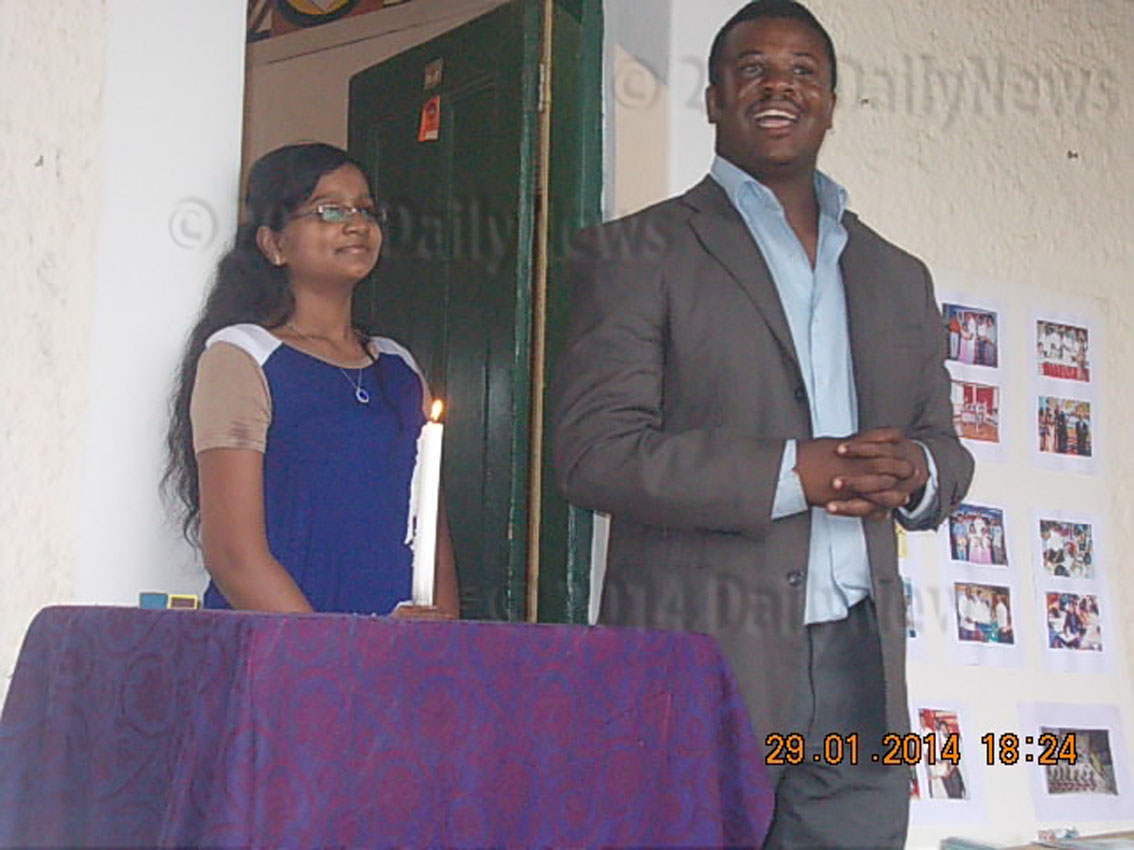
Curator for Kgosi Sechele I Museum, Power Kawina said the Kgosi Sechele I Museum located in the centre of Molepolole, has been having low publicity and reach out due to lack of funds as they depended fully on government grants besides the French Embassy being one of their consistent sponsors.
In an interview, Kawina revealed that the museum has setup goals for 2014 to develop the museum for the benefit of generations to come, triggered by fast disappearing culture of Bakwena. He said they have come up with strategies to help lure sponsors and generate income for the organisation.
He said one of their projects is to develop a Monument Park, which will feature as part of a tourism attraction to Molepolole as well as to provide activities that can create employment and further generate additional income for the sustainable development and management of the Park.
Kawina said although a proposal has been finalised and sent to different organisations, the Kweneng community members are yet to be consulted as they are expected to be actively involved in the running of the projects.
“The Monument Park is in honour of the Bakwena Kgosi Sechele and is also an enhancement to the already existing natural and cultural tourist attraction features in and around Molepolole,” he said. When asked about the place of the proposed development, Kawina answered that it would be at Ntsweng site where Dithubaruba celebrations are usually held, reasoning that it is expensive to hold such an event in an empty space.
“We have proposed to build permanent structures there with water and electricity,” Kawina revealed.
The Museum Curator further said that it is envisaged that activities that would be implemented at the site would provide employment opportunities for the community, conserve and preserve historical culture and help sustain the maintenance of the site for the benefit of the museum, local community and researchers. Kawina said that at the end of the project they expect to have a statue of Kgosi Sechele I developed and installed, Molepolole or Dithubaruba Heritage trail map developed and the economy of Kweneng district diversified.
He went on to state that they have planned to make the museum signages visible, have a newsletter initiated and develop an attractive landscaping to pull in people to the museum.
“We know all these strategies need a lot of finances, but a website launch for the museum is on the pipeline as we speak. We believe that with a website we can be able to publicise thoroughly even to the people outside our country,” he said.
Kawina said since the establishment of Kgosi Sechele I Museum in 1992, it has been playing a significant role in preserving, conserving, researching, promoting, educating and communicating ideas that enhance people of Kweneng District understanding and appreciation of their natural and cultural heritage for sustainable use.
He said the museum also serves as a cultural focus and centre for expertise, providing opportunities for community enrolment in the museum work through volunteers, research, project work and membership. Kawina also mentioned that at Kgosi Sechele I Museum they provide guided tours to places of historical and natural interest in and around Molepolole and help the Botswana National Museum in protecting and managing local heritage sites.
Kawina explained that the museum is working with a voluntary regiment made of mainly women born in the 1930’s, called Matsosa-Ngwao, who come every dry season to renovate the cultural structures as they get washed away during the rainy season. He said Matsosa-Ngwao regiment also assists with teaching others how to prepare traditional meals during cultural events and also conducts cultural educational sessions.
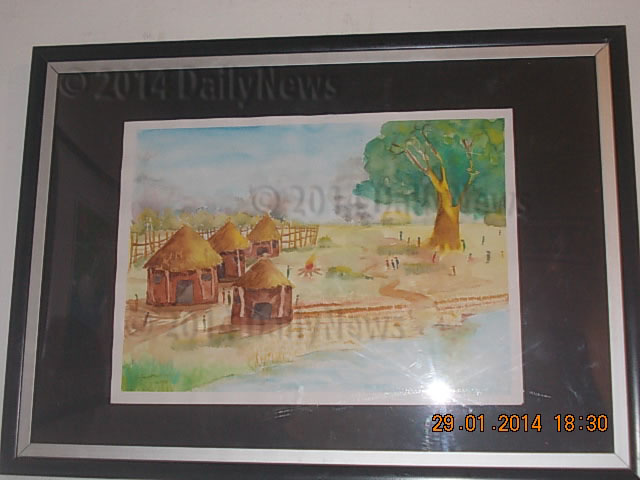
However, Kawina said Kgosi Sechele I Museum has been focusing more on promoting local artists by giving them space to exhibit their works. He further mentioned that they organise annual arts and crafts exhibitions and that the Kweneng region has been dominating the pottery section in national competitions since 2008.
“Every year we have a calendar where artists book space in advance. We don’t sell space, but when an art piece is sold the museum gets 15 per cent commission,” Kawina concluded. ENDS
Source : BOPA
Author : Kenanao Mmopi
Location : MOLEPOLOLE
Event : Interview
Date : 03 Feb 2014
Related News
06 Aug 2026
06 Aug 2026
Mayor implores creatives to be innovative
05 Aug 2026
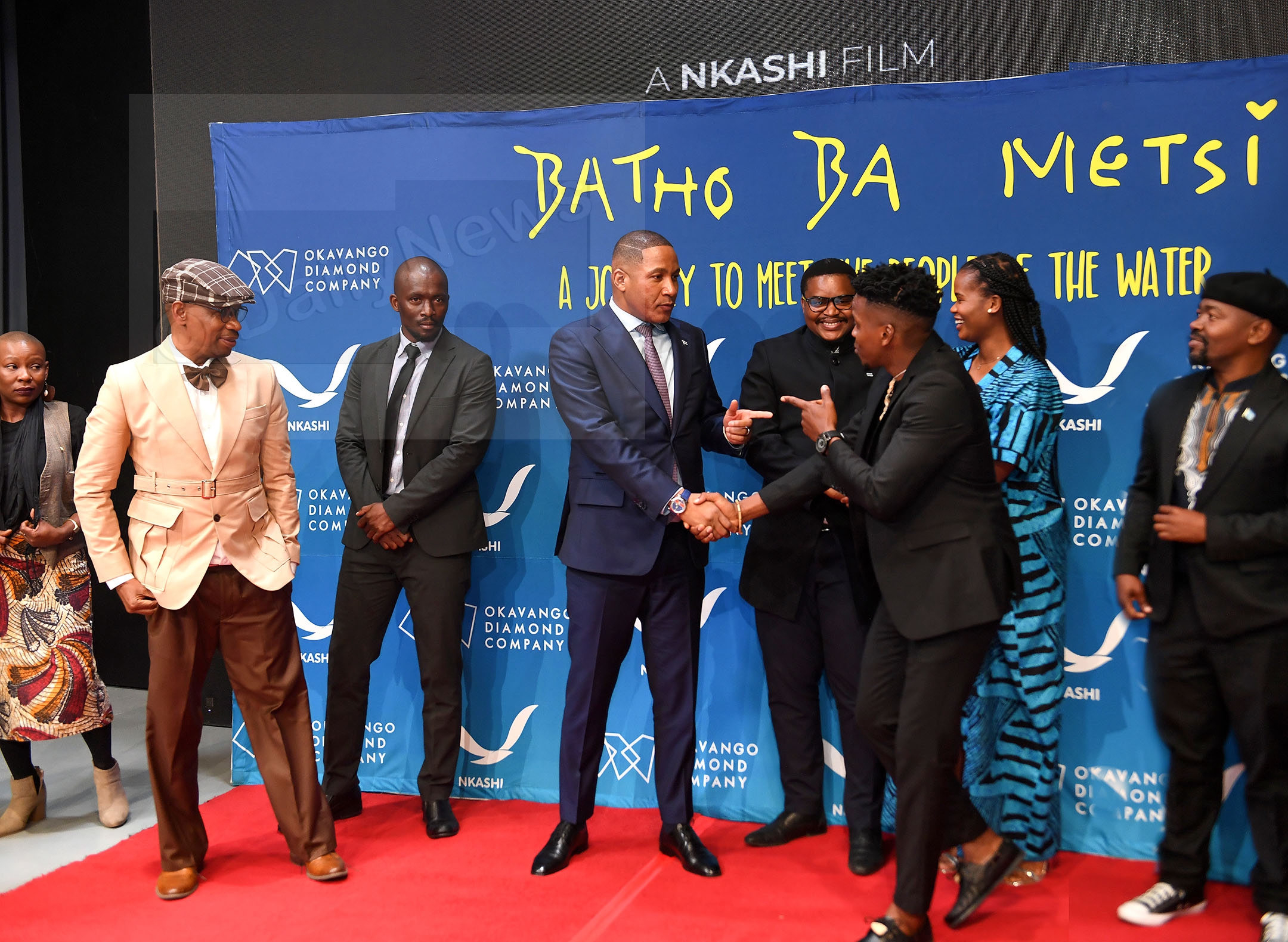
Batho Ba Metsi honours Okavango Delta custodians
05 Aug 2026