Farmers ask for protection
28 Nov 2013
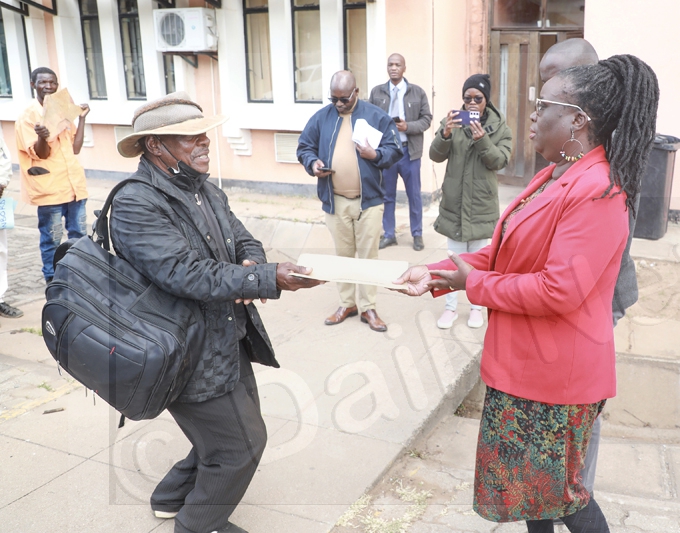
Farmers who practice flood recession farming known as molapo farming system in the Okavango Delta have called for government support and protection regarding land rights issue.
The farmers aired their views during a stakeholder meeting after Dr Lapologang Magole of Okavango Research Institute presented the preliminary findings on the policy component regarding the Botswana Eco-Health project recently. The project aimed at assessing hydro-climate change effects on flood recession farming in the Okavango Delta.
Farmers pointed out that it was difficult to get land right certificate nowadays, unlike in the past. They further said molapo farming system remains the best hope for them in the Okavango Delta as it yields more as compared to dry land farming methods hence the need for support.
Furthermore, the farmers pointed out that lack of land rights or certificates denied them the right to benefit from government programmes adding that they are also denied the right to be compensated for damages caused by wild animals such as elephants.
They also said they could not expand nor relocate their fields as Molapo farming fields should be situated minimally 20m below the high water mark in the floodplain, thus respecting the free access to the public domain.
Earlier on, Dr Magole observed that the policy component looked at how current land resources use policy, legal and institutional frameworks support or stifle molapo farming in Tubu, Xobe and Shorobe villages where the project was piloted as well as identifying any necessary changes amendments, and new policy frameworks so as to make molapo farming sustainable.
She said the research project has shown that access to land and security of tenure was a concern as there was limited land available for molapo farming (wet and dry periods). It was also revealed that there were discrepancies in land allocation between dry land and molapo farming. Dr Magole said there was need for enhanced security of tenure to increase productivity of molapo farming.
She said the findings of the research has shown that there was resource variation and land tenure systems noting that there are high variations in available molapo lands but Tribal Land Act requires fixed plots. Regarding access to government support and extension services, the findings indicated that there was rigid implementation of government programmes such as ALDEP.
In addition, the findings showed that Animal Control compensation guidelines do not cover damage to crops on fields with no land title deed. Dr Magole noted that there was need for government support to consider peculiarity of molapo farming system adding that special dispensation for Molapo farmers in the ISPAAD programme was critical. ENDS
Source : BOPA
Author : Esther Mmolai
Location : MAUN
Event : Stakeholder meeting
Date : 28 Nov 2013
Related News
10 Jun 2026

10 Jun 2026