Botswana bars withdrawal of GBV related cases
05 Dec 2022
The judiciary and law enforcement agencies have adopted a policy discouraging withdrawal of reported Gender Based Violence (GBV) related cases.
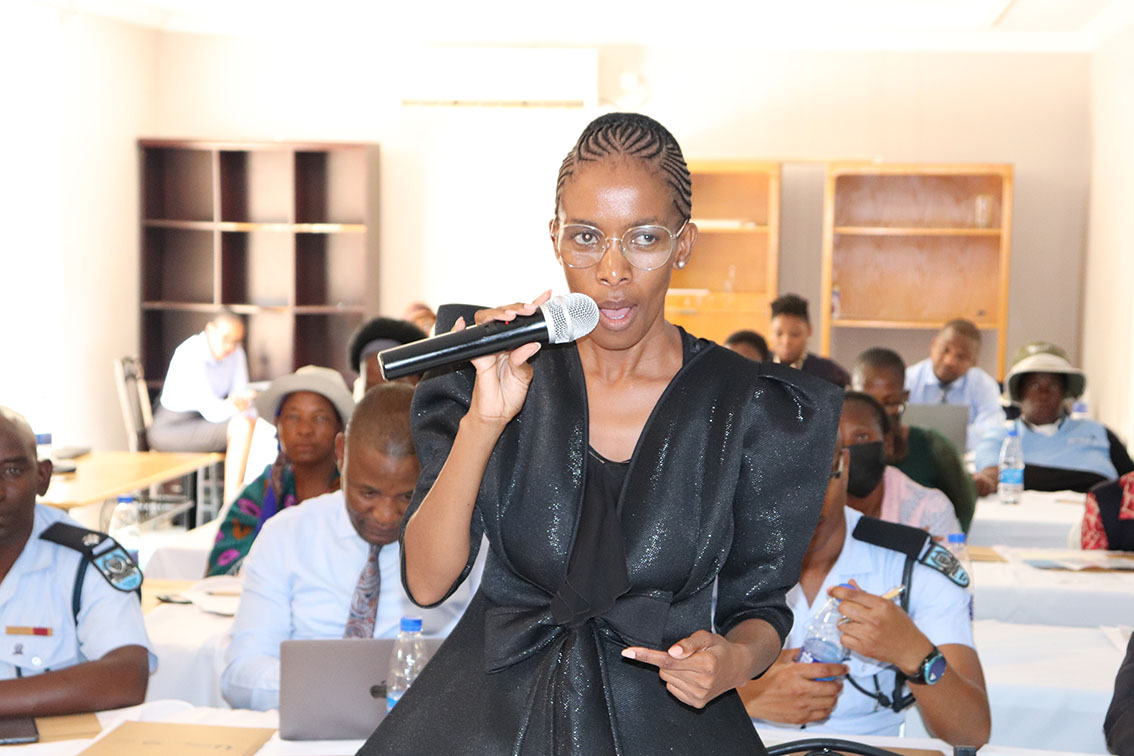
Speaking at a one-day Botswana dialogue project on gender mainstreaming within the justice system in Masunga yesterday, senior magistrate, Ms Segametsi Basinyi said the decision was influenced by growing concerns over GBV cases countrywide.
Withdrawing cases crippled GBV fighting efforts, she said.
Ms Basinyi said people reported cases and later requested that they be withdrawn inconsiderate of the resources expended.
The magistrate lamented that withdrawals allowed perpetrators to get off scott-free and likely to repeat the offence.
Some victims ended up being murdered, she said.
Ms Basinyi said government was trying all means to make police stations accommodative of GBV victims.
She admitted that the disposal of GBV related cases took long due to lengthy processes such as investigations, arraignment, setting of trial dates, the trial itself, sentencing and appeals.
However, Ms Basinyi said GBV related cases were priorised.
“GBV related cases are urgent by nature against normal cases to avoid distortion of evidence,” she noted.
She said Masunga had a high number of GBV related cases especially rape and defilement.
Ms Basinyi explained that the recorded figure could be higher because some cases went unreported.
She stressed the importance of finding ways of identifying the unreported cases.
Ms Basinyi said most GBV victims were sent back to their homes because there was no place of refuge for them.
The local SOS Children’s Village often assisted but lacked capacity, she said.
Magistrate Basinyi said government had come up with various interventions to address GBV one of them being the introduction of specialised courts.
Masunga social worker, Ms Moitshephi Dibotlhale said her office had registered 143 GBV related cases 85 of which involved children.
On another issue, she said some cultures remained an impediment to gender equality.
As an example, she said some tribes continued to violate the law allowing females to inherit their biological parents’ property.
Ms Dibotlhale said some married women were still denied the right to inherit their biological parents’ estates.
She requested that DNA paternity test be availed free of charge to make it accessible to all.
Earlier, Ministry of Justice chief public relations officer, Mr Oteng Mokowe said there was need to capacitate professionals on laws from a perspective of gender responsiveness to enable them to adequately intervene.
That was the reason government had prioritised reforming the justice system, he said.
For their part, participants complained about delays in the disposal of GBV related cases and called for ending of discriminatory cultural practices against females. BOPA
Source : BOPA
Author : Thamani Shabani
Location : Masunga
Event : Dialogue project
Date : 05 Dec 2022
Related News
01 Aug 2026