


Bring back gratuity - Manual workers Union
22 Feb 2022
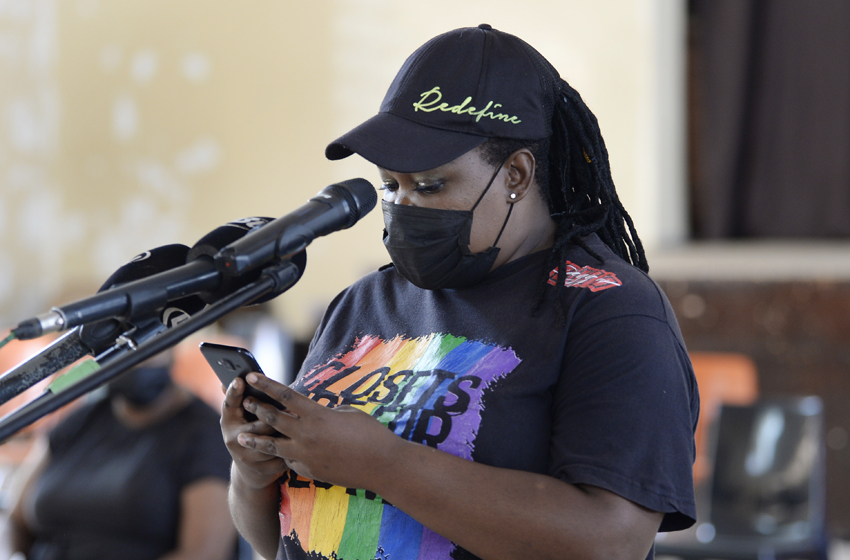
National Amalgamated Local and Central Government, Parastatal Manual Workers Union want gratuity reintroduced for their low pay members. Submitting the union’s views to the Presidential Commission of Enquiry into the Review of the Constitution Monday regional vice chairperson, Ms Pelontle Mompati said they wanted the old system where they were classified as industrial class workers and received gratuity at the end of their five-year contract.
She said the transfer of industrial class workers to the permanent and pensionable cadres which followed amendment of the Public Service Act of 2008 that classified all government employees as permanent and pensionable was not benefitting their members as their pay was too little for any meaningful contribution towards their pension.
Ms Mompati proposed that the act should be amended to allow for return to gratuity.
While she appreciated that the essence of a pension was to save for post retirement, their members were not benefiting from it as the amount was too little to maintain a reasonable lifestyle, she said.
In addition, she said they were unable to plan for their future with the pension benefit as opposed to the gratuity, which they knew would come every five years.
Ms Mompati added that gratuity, allowed workers some dignity as they were able to undertake development projects knowing they would be receiving some money at the end of their contract.
“We are called permanent and pensionable officers and yet we are suffering as the pension benefit is not sufficient to lead a dignified retirement. It also comes after much waiting,” she said.
Ms Mompati also proposed that the constitution should not allow retired workers to be re-employed on contract basis saying the arrangement denied graduates out the opportunity to work.
She also stated that the government should scrap appointment of specially elected MPs and councilors.
She said salaries paid to them, could be channeled to hiring more unemployed young people or easing shortfall in other areas.
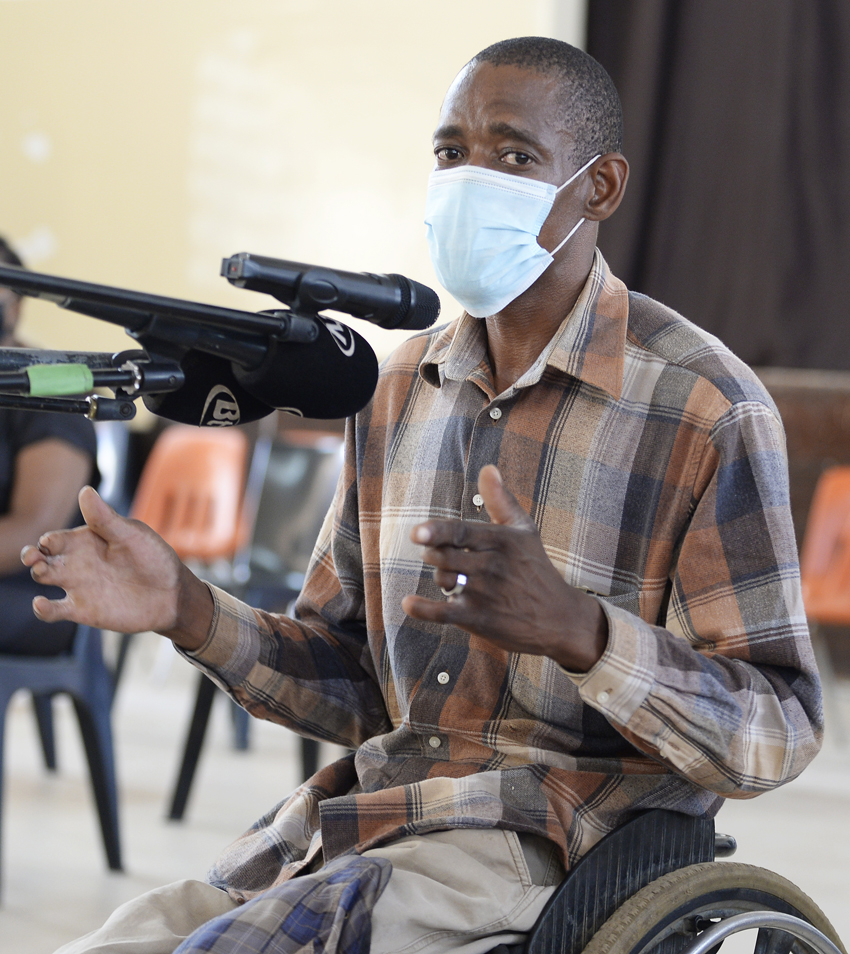
A representative from Kweneng Association for People Living with Disabilities, Mr Kgosietsile Motlhaping complained that the constitution failed to adequately cater to their needs and rights, which was why many of them lived in poverty, isolation and shame. He said the constitution was so silent on their needs that even planners designed house plans without thinking about them.
“Some of us are beneficiaries of SHHA housing scheme and the space of the house does not allow us to move freely especially when using a wheelchair, even the rooms or kitchen have no ramps,” he added.
Further, he said, they were starved of important information that could help them to improve their lives. Mr Motlhaping also noted that using public transport was a challenge as vehicles were designed for able-bodied people.
He called for better acknowledgement of people with disabilities in the envisaged amended constitution.
This, he said, would allow them to feel they were part of society.
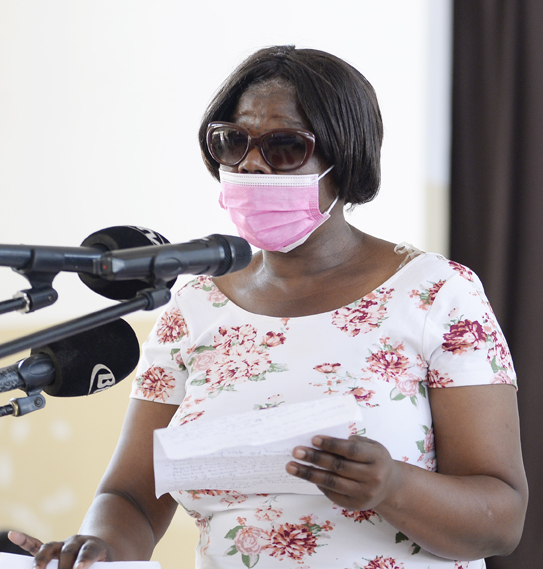
Ms Obusitswe Mapilo from Disability Support Group of Botswana concurred that the constitution should have a provision that specifically addressed issues of people living with disability.
The provision, she said should have sections that talk about issues of equality, especially as people living with disability were subjected to discrimination.
The resultant attitudes, she said forced some to hide and shy away from seeking help even when it was available.
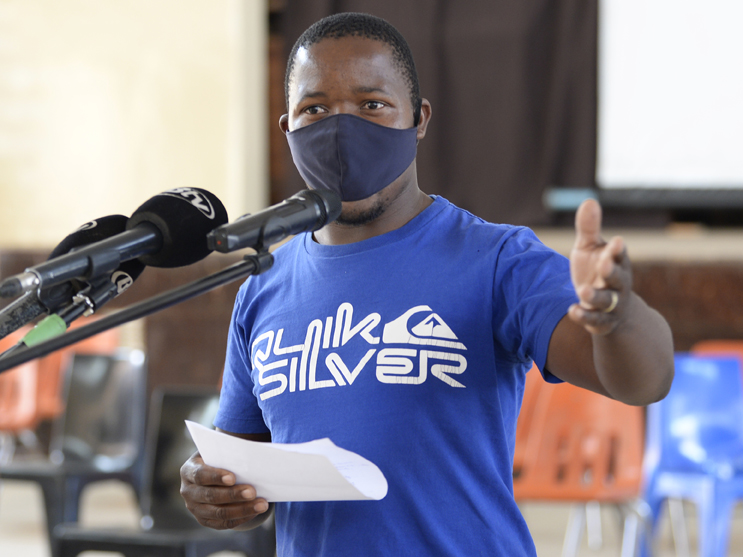
People living with disability activist, Mr Jacob Seamogo said there should be greater political will political will to address issues of concern.
He also stated that they wanted to be part and parcel of what was being done in their name.
“There is nothing for us without us. We should be part of any activity that affects people living with disability. We are not happy with the grant given to our members because some are left out,” he added.
Ms Stella Khombane proposed that the constitution should not leave the rights of the people to be decided by the majority, citing for emphasis the rights of marginalised groups such as intersex people and the LGBT community.
Gay rights, she said should not be decided by a referendum as pastors suggested adding they should not be denied to people on religious grounds.ENDS
Source : BOPA
Author : Esther Mmolai
Location : MOLEPOLOLE
Event : Presidential Commission of Enquiry
Date : 22 Feb 2022
Related News

07 Aug 2026
Xiplomacy Hosting the world building the future

07 Aug 2026
Xiplomacy Pursuing the greater good for all
06 Aug 2026
Gaolathe inspires learners to aim high
06 Aug 2026