


Bahurutshe brotherhood through the lens of history
06 Feb 2022
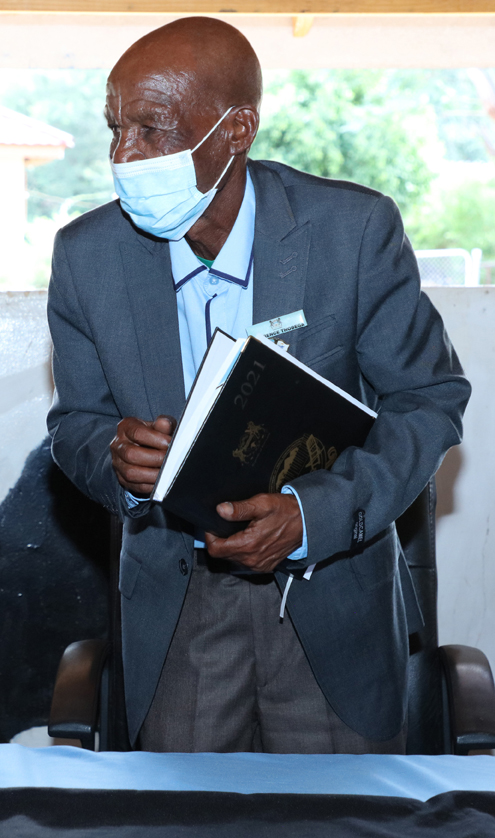
The Bahurutshe’s presentation to the Presidential Commission of Enquiry on the Constitution of Botswana was both elaborate and unambiguous. They had met as a tribe, on the eve of the consultative meeting, and built consensus around issues they considered critical and worth bringing before the commission.
And they came en masse on the day. Conspicuous in attendance was Kgosi Kebinatshwene Mosielele of Bahurutshe ba goo Ntsho, also known as BooManyana. He and some of his people had been part of the meeting that prepared the list of suggestions for the Commission.
The two Bahurutshe groups have maintained this spirit of brotherhood for many years.
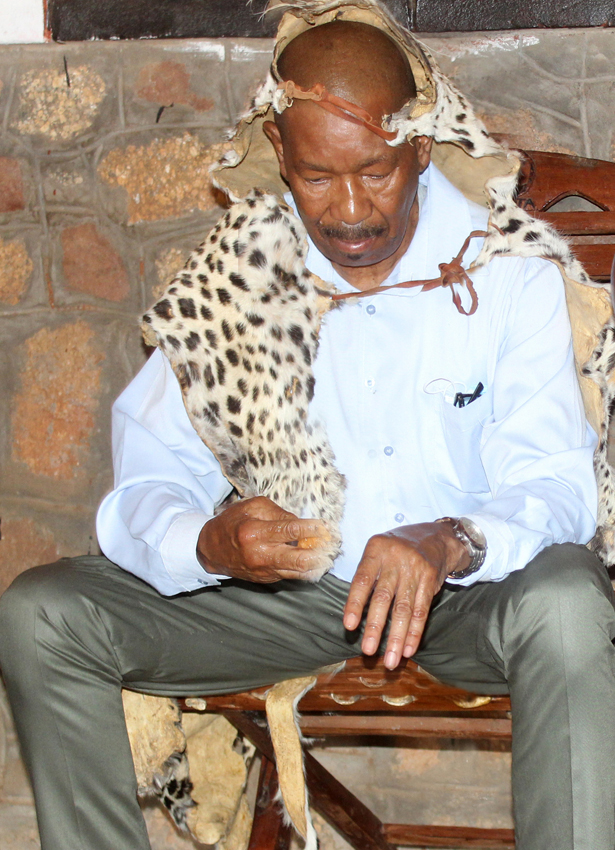
Recently Kgosi Solofelang Thobega of Mankgodi went to Manyana, to sit next to, and in deference, to his tribal senior Kebinatshwene Mosielele, as he partook of the first-fruit of harvest.
Called molomo (from Setswana word meaning to bite), a munching of the first fruit is reserved for the most senior tribal chief or Kgosikgolo.
It is impossible to refer to Bahurutshe of Manyana and Mmankgodi as well as those of Mogonye as ‘tribes’ without feeling awkward. This is because they are in essence, one tribe separated by tribal territories and historical events. Says tribal historian Mr Gobotsamang Leshetla: “Bahurutshe of Mankgodi and Manyane were once one but separated at Borutwe in South Africa.
Kgosi Manyane gave his sons each a portion of his inheritance by giving them earmarks. The older son, Seofela founded BooManyane (gooNtsho) while Nong founded BooMochibidu(Mmankgodi). From Borutwe BooMochibidu moved to Motswedi areas while BooManyane moved to Great Madikwe (Groot Marico),” he says.
However it appears the Bahurutshe were forced to come together once again when Andries Pretorius and his Boers invaded them, ultimately causing them to flee to Botswana to their Bakwena brothers under Kgosi Sechele I. Here, Bahurutshe, Bakwena, Balete and Batlokwa united and put up first-rate defence against the Boers at Dimawe. This was in 1852.
However the Boers realising, Batswana would not kill their own, captured Batswana elsewhere and used then as human shields. This made it difficult for Batswana to counter attack, with the result that the Boers captured Dimawe, despite losing more men, in terms of ratio, than Batswana.
However, Kgosi Sechele with the aid of the other merafe soon returned, and mounted spirited retaliatory raids that saw the Boers retreating back into the south, allowing Batswana to reclaim their territory. “After the war Bahurutshe and Balete went to Magagarape with Bakwena, but later came back and settled atop Mmankgodi Hill. Mmankgodi was by then occupied by both Bahurutshe and Balete.
Later Balete left as they protested having to pay sehuba (tax paid to a King), ” says Mr Leshetla. BooManyane left about the same time and settled in Kolobeng beyond Dimawe.
When the British divided the land of Batswana into eight self-administering tribal territories in 1885, BooManyane found themselves under Bangwaketse territory and BooMochibidu under Bakwena. In line with tradition, they did not pay sehuba and the magosi in both territories, cognisant of the fact they were younger tribal siblings, would not demand that of their seniors.
“In recognition of the fact that BooMochibidu had helped to defend the territory, during and after Dimawe battle, Kgosi Sechele gave them land from Goo-Kodisa, which lies between Thamaga and Moshupa, to ledumadumane and all the way to what is today BBS mall in Gaborone. Broadhurst and Bonnington farms would later border them.
A man of goo Sethebe Ward from Mmankgodi, Diseko Marotse lived next to goo Kodisa. Together with Paulo from Monneng Ward in Mmankgodi he was charged with overseeing land issues in the area,” says Mr Leshetla.
It was out of that arrangement that Mmokolodi, Tloaneng and Fikeng all came to be Bahurutshe territory with Mmusi and Sekgwane families as land overseers. And so were Lesirane and Gabane where Mokgalagadi and Majafi families administered land issues.
Bahurutshe happily allowed Balete to settle in Gabane towards the end of the 1800s through early 1900s. Ledumadumane, including Tlhape, Marapoathutlwa were under Modisane and his younger brother Lekgetho. In fact the Sethebe family that is today overseeing Ledumadumane and that of Manopolwe are the same family as Modisane. Mapitse had jurisdiction over the area that is today Sir Seretse Khama international Airport.
Mr Leshetla goes on: “BooMochibidu co-existed peacefully with Bakwena as did those Bahurutshe of Manyana under Bangwaketse. Unlike those of gooMochibidu, Bahurutshe under Bangwaketse were not given much land.
When in 1934 Kgosi Gobuamang left Moshupa with a section of Bakgatla ba ga Mmanaana, owing to differences with Bangwaketse Kgosi Bathoeng II, Bakwena took some of the land they had previously allocated Bahurutshe and gave it to them,” he says. Today, Bahurutshe are found in the villages of Mogonye, Kopong, Mmopane, Gabane and its satelites of Lesirane, Tloaneng and Goo Nku; as well as Mogoditshane and its satelites of Ledumadumane, and Tlhape. Interestingly, during the reign of Kgosi Letlole Thobega, Bahurutshe in the other areas would bring differences that their magosana could not solve - including those over land - to him for arbitration. And they would abide by his decision.
In their submission to the Commission last week, Bahurutshe were adamant that Botswana’s revised constitution should do away with the Tribal Territories’ Act as it treated some merafe as senior and others as junior, which caused attrition among merafe. They would have found the clause offensive, in light of history and hierarchy of seniority, for despite being historically senior, they were now subjects of their junior tribal siblings in Bakwena (Bangwaketse are also Bakwena and revere kwena, the crocodile as their totem).
“Ga re meratshwana,” one speaker intoned. Yet another said, “we can stay without being tribal subjects of another tribe”. Could Bahurutshe’s demand that the next delimitation exercise should create a Bahurutshe constituency comprising Manyana, Mogonye and Mankgodi as well as their masimo be a pointer to future amalgamation of the tribe’s’ various groups? Only time will tell. ENDS
Source : BOPA
Author : BOPA
Location : GABORONE
Event : Constitutional review Commission
Date : 06 Feb 2022
Related News

07 Aug 2026
Xiplomacy Hosting the world building the future
07 Aug 2026
Xiplomacy Pursuing the greater good for all
06 Aug 2026