Reduced production leads to fuel shortage
22 Jul 2020
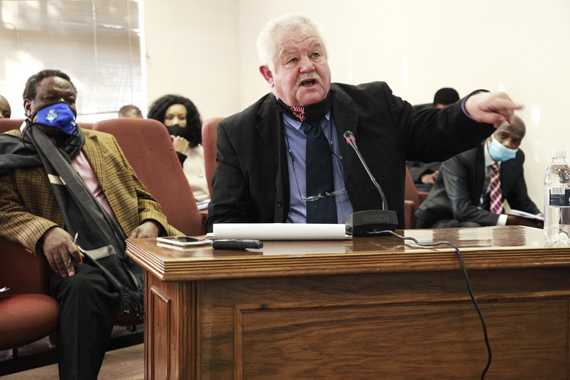
Managing Director of UNITRANS Botswana, Mr Brian Swift says the recent fuel shortage in Botswana was due to reduced production at South African refineries because of lockdown.
Presenting before the Parliament Portfolio Committee on Wildlife, Tourism, Natural Resources and Climate Change recently, Mr Swift said movement restrictions caused by the COVID-19 pandemic led to low demand of fuel.
He said during the lockdown there was no movement, hence when the economy eventually opened up, the refineries could not catch up with the demand.
“Any country will take care of their own before they start exporting volumes to other countries,” he said.
Mr Swift said Botswana was then put on a rationing basis from South Africa, adding that there were strikes in South Africa and intimidation of non-truck drivers, which also interfered with the movement of the goods.
Another factor, he said, was caused by the fact that consumption of fuel had grown tremendously while petrol storage had remained the same.
“There was also going to be a problem with logistics chain, and the refineries in South Africa are very old and they need total overhaul,” he said.
He said the COVID-19 pandemic situation had affected the country, adding that when UNITRANS drivers entered the country, they had to wait for the test results before proceeding to their destinations.
Further, he said the drivers had to wait for up to 72 hours, adding that after operating for two weeks in Botswana and the green zone, the drivers could then go home if they tested negative for COVID-19. Mr Swift said essential services should be given priority at border post in order to speed up service delivery.
He told the committee that since 90 per cent of the fuel was from South Africa, over the past years, they had worked with Botswana Oil and Puma to open a route to Namibia. ends
Source : BOPA
Author : Anastacia Sibanda
Location : GABORONE
Event : Portfolio committee
Date : 22 Jul 2020
Related News

11 Aug 2026
Boko calls for radical reforms in public service
11 Aug 2026
Botswana and US commit to global peace

11 Aug 2026
Chobe district receives malaria drugs
11 Aug 2026