Energy sector looking for solutions
21 Jul 2020
Captains of industry in the energy sector have pledged to work with government in ensuring that the country overcomes the recent fuel crisis and in planning longer term security of supply.
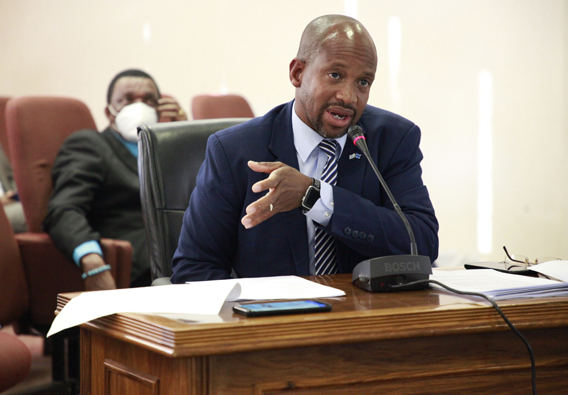
Making submissions before the Parliamentary Portfolio Committee on Wildlife, Tourism and Natural Resources in Gaborone recently, leaders in the energy sector outlined some of the root causes of current crisis, and expressed hope that over time strategic interventions would assist in the longer term.
Botswana Oil chief executive officer, Mr Meshack Tshekedi said in the short to medium term, his parastatal organisation would source product from the alternative routes of Namibia and Mozambique, given the challenges that had been experienced with fuel from South Africa.
He said government had acceded to the use of such alternate routes, which in the case of Mozambique, come at a higher cost of moving the product from the source into the country.
Mr Tshekedi said with regard to ensuring security of supply in the medium to long term, government was working on developing the Tshele Hills petroleum storage facility at Rasesa, as well as planning to increase the capacity of the Gaborone and Francistown depots with a new one in Ghanzi also envisioned.
Mr Mahube Mpungwa, the chairperson of Botswana Oil Industry Association, outlined the challenges that the industry had recently faced.
He said the bulk of the country’s fuel was sourced from South Africa, where refineries were shut down during the recent lockdown (over April) and upon restrictions being lifted, a higher than anticipated demand for fuel was experienced in that country’s industrial hub of Gauteng.
Also, he added that some of the critical fuel supply infrastructure was vandalised, including a major pipeline that supplied the terminals in Gauteng from the coastal area with another inland refinery also experiencing a breakdown, which further exacerbated the shortage experienced in South Africa.
With the country sourcing most of its energy from South Africa, the challenges experienced there led to a shortage of supply in Botswana, as the source country was trying to satisfy its own domestic demand, Mr Mpungwa said.
This happened at a period where Botswana’s own demand had exponentially increased with the easing of lockdown restrictions in the country.
Botswana’s own COVID-19 protocols had to be adhered to, including the testing of truck drivers at the borders, and a strike by South African truck drivers also affected the transportation of the product into Botswana.
With the challenge manifesting into a shortage of petrol at filling stations, panic buying led to a further shortage, Mr Mpungwa said.
He added that the situation was assisted by the recent measures announced by government, including a cap on the amount of fuel private vehicle drivers could purchase during a single filling station transaction, minimising the use of jerrycans, and limiting the time the filling stations could open.
The chairperson of the parliamentary committee, Mr Paulson Majaga, said the purpose of the public hearings was to draw the views of energy industry stakeholders in order to ascertain the current situation as well as medium to long term interventions being planned to ensure energy security.
Appearing before the committee were the Botswana Oil Industry Association, Botswana Oil, Botswana Energy Regulatory Authority as well as the leading officials of energy companies including Vivo Energy and Total. ends
Source : BOPA
Author : Pako Lebanna
Location : GABORONE
Event : Parliamentary Portfolio Committee
Date : 21 Jul 2020
Related News

11 Aug 2026
Boko calls for radical reforms in public service
11 Aug 2026
Botswana and US commit to global peace

11 Aug 2026
Chobe district receives malaria drugs
11 Aug 2026