Matlhabaphiri launches mobile clinics
11 Sep 2013
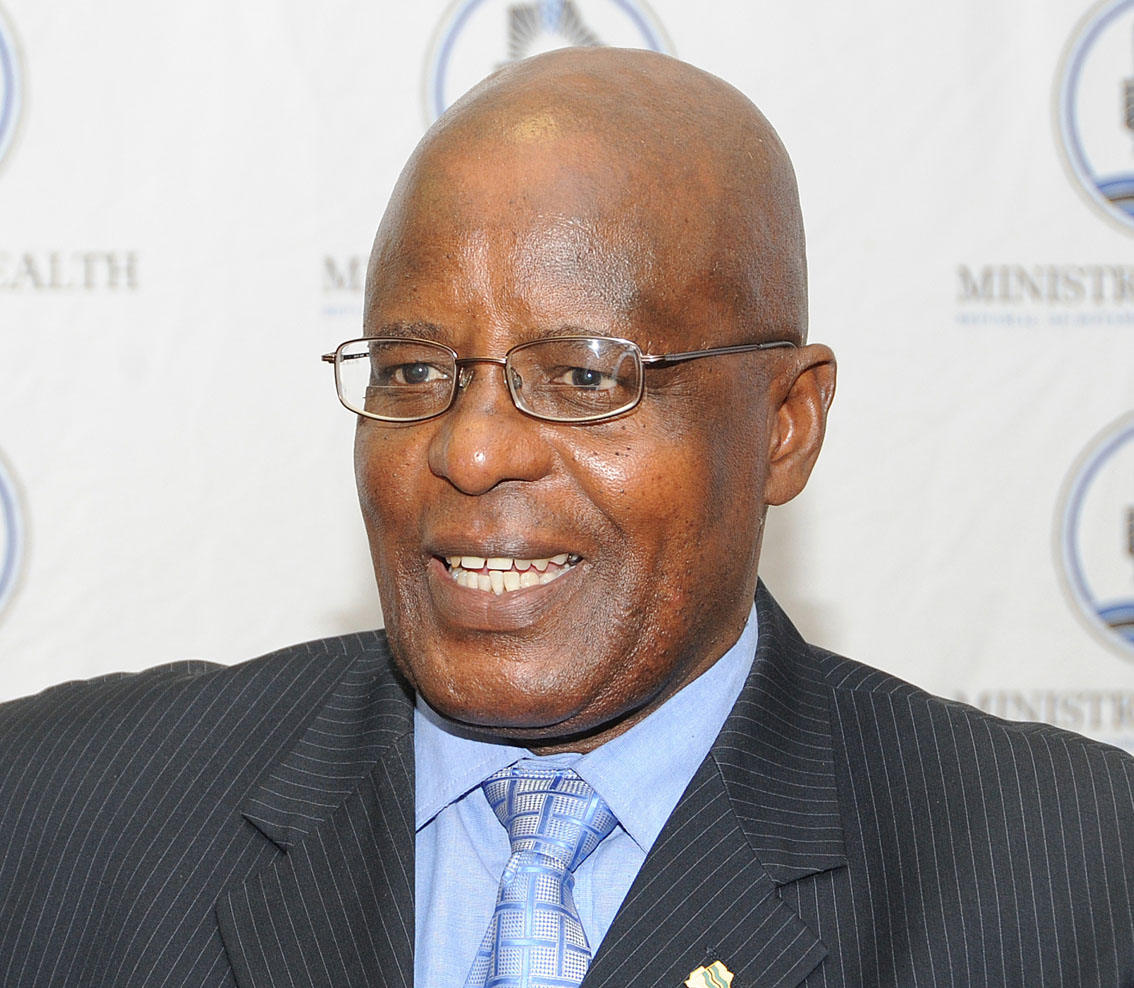
Ministry of Health strives to make Botswana a destination of choice in quality health services, Assistant Ainister of Health, Mr Gaotlhaetse Matlhabaphiri has said.
Launching two of the five mobile clinics at Middlepits in Kgalagadi District on September 11, Mr Matlhabaphiri appealed to residents to take advantage of the opportunity while at the same time encouraging those responsible for the facilities to guard against vandalism.
The mobile clinics were meant ‘to take the services and resources to the people in a one-stop-shop approach’ where such facilities were not available or where the clinics did not have enough operating space.
The five state of the art mobile facilities epitomising well facilitated modern clinics with parallel service delivery will be dispatched to Serowe, Chobe, Maun, Letlhakeng and Tsabong for improvement of service delivery in remote areas.
However, despite government having put measures in place to curb the spread of HIV/AIDS, Mr Matlhabaphiri expressed concern about the high sexual transmitted infections in Kgalagadi District.
Safe male circumcision (SMC) is one of the programmes which are expected to benefit highly from the use of the mobile clinics. The assistant minister encouraged all men eligible for SMC to undergo the minor operation, a move deemed to augment government interventions in fighting the spread of HIV/AIDS.
He also allayed fears of those sceptical about SMC arguing that the practice had been there from time immemorial on religious, medical and cultural grounds amongst a host of other reasons. Giving brief on the progress of the SMC, Dr Refeletswe Lebelonyane said the programme had been hamstrung by various challenges such as shortage of trained staff as well as lack of transport inter alia.
To date, Dr Lebelonyane said, about 89 000 men had undergone SMC since 2009 against the 385 000 targeted HIV free men in 2016. She was also concerned about an increasing number of pregnant women diagnosed with sexual transmitted infections.
Dr Lebelonyane said with the arrival of SMC mobile clinics, her team would embark on a house-to-house campaign to get as many men circumcised as possible, even if it meant following them to the hard to reach remotest areas.
Kgalagadi South district health management team (DHMT) head, Dr Joseph Kadima pointed out that efforts of getting many men circumcised were affected by shortage of trained personnel. Dr Kadima also indicated that only one doctor out of the seven in Kgalagadi South was trained to execute circumcision.
The situation was also not helped by an increasing HIV prevalence rate in the district against that of the nation. In fact, Dr Kadima identified Kgalagadi South as the worst hit health district, presenting statistics which showed that HIV prevalence rate in the district shot from 11.8 to 19 per cent.
Also, about 3944 HIV/AIDS positive patients were registered and 3602 were screened for CD4 count while 342 were in denial out of a population of about 30 000 people. By the end of July this year, a total of 2766 patients were enrolled for anti-retroviral drugs, 428 died while 37 are to be followed.
Kgalagadi South DHMT has added five more clinics to dispense ARVs and is planning to have six more to complete the district. However, the district is not performing well since only 143 of the targeted 500 men were circumcised in 2012. ENDS
Source : BOPA
Author : Manowe Motsaathebe
Location : TSABONG
Event : Interview
Date : 11 Sep 2013
Related News
09 Jun 2026
09 Jun 2026
SARS cautions foreign motorists against scammers

09 Jun 2026
Labour agreement to strengthen workplace harmony
09 Jun 2026
Motsamai hails Werda for role in FMD fight
09 Jun 2026