

Business Botswana propose measures to cushion reduced trade
01 Apr 2020
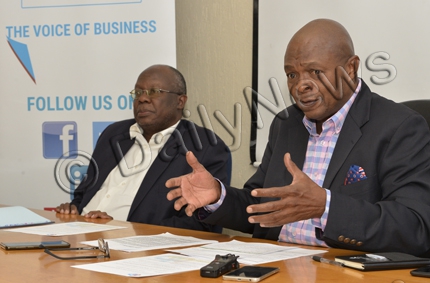
Business Botswana has welcomed government’s decision to announce a period of extreme social distancing, but have proposed a set of measures to cushion the private sector from the reduced levels of trade anticipated.
Speaking during a press briefing held at the head office in Gaborone on March 31, the president of the private sector advocacy body Mr Gobusamang Keebine said they had been engaging with the government on the possible impact of COVID-19 on business operations and had a list of proposals to cushion the effects of slower trade.
Earlier on Tuesday, President Dr Mokgweetsi Masisi announced a set of new measures by government to combat COVID-19 including ‘extreme social distancing where movement out of the home is only restricted to those performing essential services and transporting essential goods.’
Mr Keebine said given the current circumstances they were in agreement with the move, but hoped in addition to what the government proposed to protect enterprise, their ideas would be taken on board.
“As we enter the period of extreme social distancing, which is basically a lockdown, Business Botswana is in full support of government efforts.
We have continuously been engaging government, we have a COVID-19 response team which made initial submissions with our focus on economic impact and recovery,” he said.
Among other measures, Business Botswana propose a four month tax holiday to assist in cushioning businesses during the upcoming period including Pay As You Earn (PAYE) and Value Added Tax (VAT) reduction.
They also propose wage relief over the next three months for workers earning P5 000 gross income or less; and a loan repayment holiday particularly for small and medium enterprises.
Mr Keebine revealed that Business Botswana is against the proposed 22 per cent electricity tariff increase announced by the Botswana Power Corporations (BPC) and were lobbying for it to be reversed as they believed it would have negative impact during the upcoming period.
They have also proposed that essential goods should include foods, including non-alcoholic beverages; animal feeds; cleaning and hygiene products such as toilet paper, sanitary pads and tampons, condoms, deodorants, sanitisers, disinfectants, soap and industrial use alcohol; fuel, including coal and gas as well as other basic items such as airtime and electricity.
Business Botswana has proposed that those involved in the production or supply of the above listed items, as well as other key services such as disaster management, fire prevention and firefighting, medical health, grocery stores, internet and telecommunications connectivity, and essential government services, should continue working during lockdown.
Mr Keebine said their list of essential workers was likely to be compatible with that of government, but where there were differences they would continue to engage the state in dialogue in order to protect vital businesses during the upcoming period. ENDS
Source : BOPA
Author : Pako Lebanna
Location : GABORONE
Event : press briefing
Date : 01 Apr 2020
Related News
28 Jul 2026
28 Jul 2026
Value chain key to industrial growth - Ntsima

28 Jul 2026
Africa SME body honours Boko
28 Jul 2026
Domestic funding vital - SADC
28 Jul 2026
MoA opens doors for economic opportunities
23 Jul 2026