GBV violates human rights dignity integrity - Alexander
12 Dec 2019
The 16 Days of Activism Against Gender Based Violence (GBV) have come to an end.
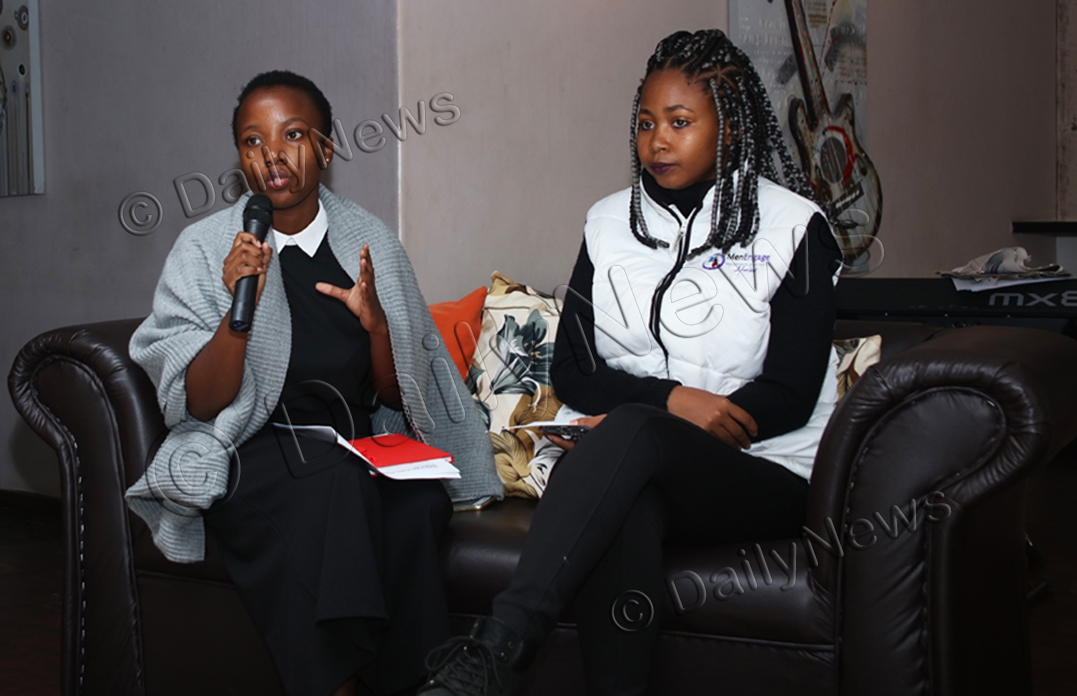
Speaking at a media briefing in Gaborone to mark the end of the campaign recently, Ms Elsie Alexander from the GBV Core Group said GBV was a violation of human rights as it violated human dignity, integrity, security, the safety of all those affected, and women and children in particular.
She said the press conference, which included a panel discussion, was intended to make the voices of young people, those with disabilities, and the girl child heard in the fight against increasing incidences of GBV and HIV.
Ms Alexander said it was also an opportunity to introspect, review, map the way forward and address current challenges.
The event was graced by panelists from Botswana Gender Based Violence Prevention and Support Centre, Ditshwanelo, Molayakgosi and Putting Women First Trust, who all called on actors and communities to take action to prevent and support survivors of GBV through safe spaces, shelters and psycho-social support.
Panelists shared their stories, testimonies and experiences as well as their views on what should be done, how and by whom.
A panelist from Molayakgosi Women Leadership and Mentorship Programme, Ms Tshepo Moyo said GBV did not discriminate as it could affect a middle class women, poor or affluent.
“All women face GBV in their lives and the issue needs to be addressed,” Ms Moyo said, adding that the issue of rape was the one that could be addressed through legislation and sensitisation as well as raising children to understand consent.
She said there was need to understand that women owned their bodies and had the right to choose what they want to do with it, and not any other person.
Ms Moyo also said rehabilitation depended on accountability because it was the responsibility of a perpetrator to take accountability for their actions, and to be responsible for their own healing and growth. “It does not need to include the victim, but however our society needs to stand with the victim,” she said.
A panelist from Phenomenal African Woman, Ms Bosa Sebele also emphasised the importance of sexual education in the school curriculum, saying it would teach the importance of consent.
She also encouraged open communication in households and between parents and children and sensitise police officers to investigate rape cases.
For her part, Ms Charity Kennedy from the mental health network, explained that rape was an abnormality that had something to do with how the man was raised, and how society invested on both boys and men.
She said counselling was needed to deal with the trauma and to avoid it affecting victims.
Ms Kennedy also said intensified examinations and interviews on perpetrators were needed to get it from the horse’s mouth as to what would be happening when they engaged on such.
She also said men and boys’ metal health empowerment sessions were critical, starting from school dropouts, unemployed youth and the male population in general. ENDS
Source : BOPA
Author : Naomi Leepile
Location : GABORONE
Event : GABORONE
Date : 12 Dec 2019
Related News
13 Aug 2026
13 Aug 2026